
Sikkerhetsveiledninger
EPIRB forklart: Hva det er, hvordan den fungerer, og når du trenger en

En PLB, eller personlig nødpeilesender, er en kompakt nødbåke som bæres av en person. Når den aktiveres i en livstruende nødsituasjon, sender den et 406 MHz nødsignal via det internasjonale Cospas-Sarsat-satellittsystemet for å varsle søk- og redningsmyndigheter om din posisjon.

En PLB er ikke en sporingsenhet, telefon, app eller satellittmeldingstjeneste. Den er en dedikert redningsbåke (uten månedlige abonnementsavgifter) designet for ett kritisk formål: å hjelpe redningsmannskaper med å finne deg hvor som helst i verden når du ikke kan tilkalle hjelp på noen annen måte.
For seilere, fotturister, kajakpadlere, piloter, sportsfiskere, soloreisende og personer som arbeider i avsidesliggende områder, gir en PLB en pålitelig nødlivline når mobildekning, VHF-radio eller andre kommunikasjonsmetoder ikke er tilgjengelige.
PLB står for Personal Locator Beacon (personlig nødpeilesender).
Den kalles «personlig» fordi den bæres av en person, i stedet for å være permanent festet til et fartøy eller luftfartøy. Den kalles en «nødpeilesender» fordi den hjelper søk- og redningsteam med å lokalisere noen i nød.
Personlige nødpeilesendere brukes vanligvis av:
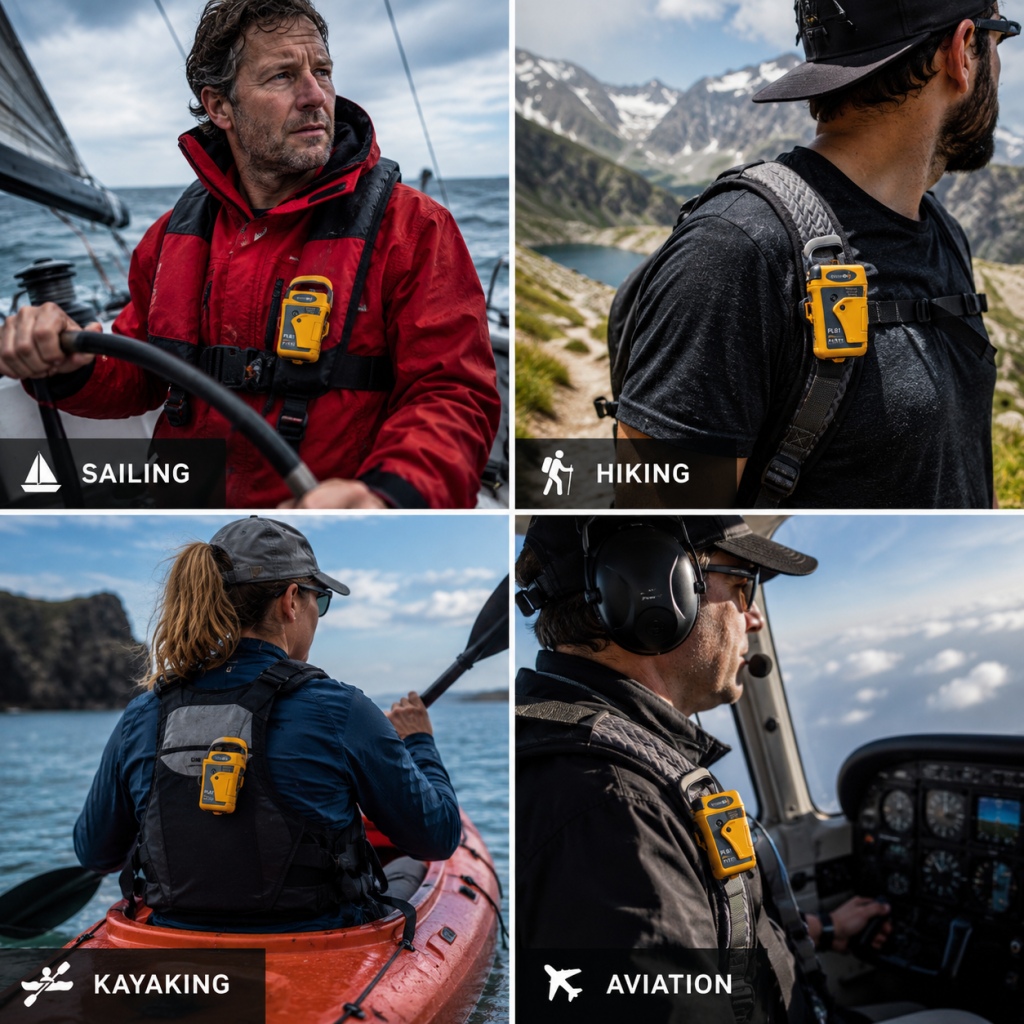
En PLB fungerer ved å sende et nødsignal når den aktiveres manuelt. Hovedsignalet sendes på 406 MHz, den internasjonalt anerkjente nødfrekvensen som brukes av moderne nødbåker.
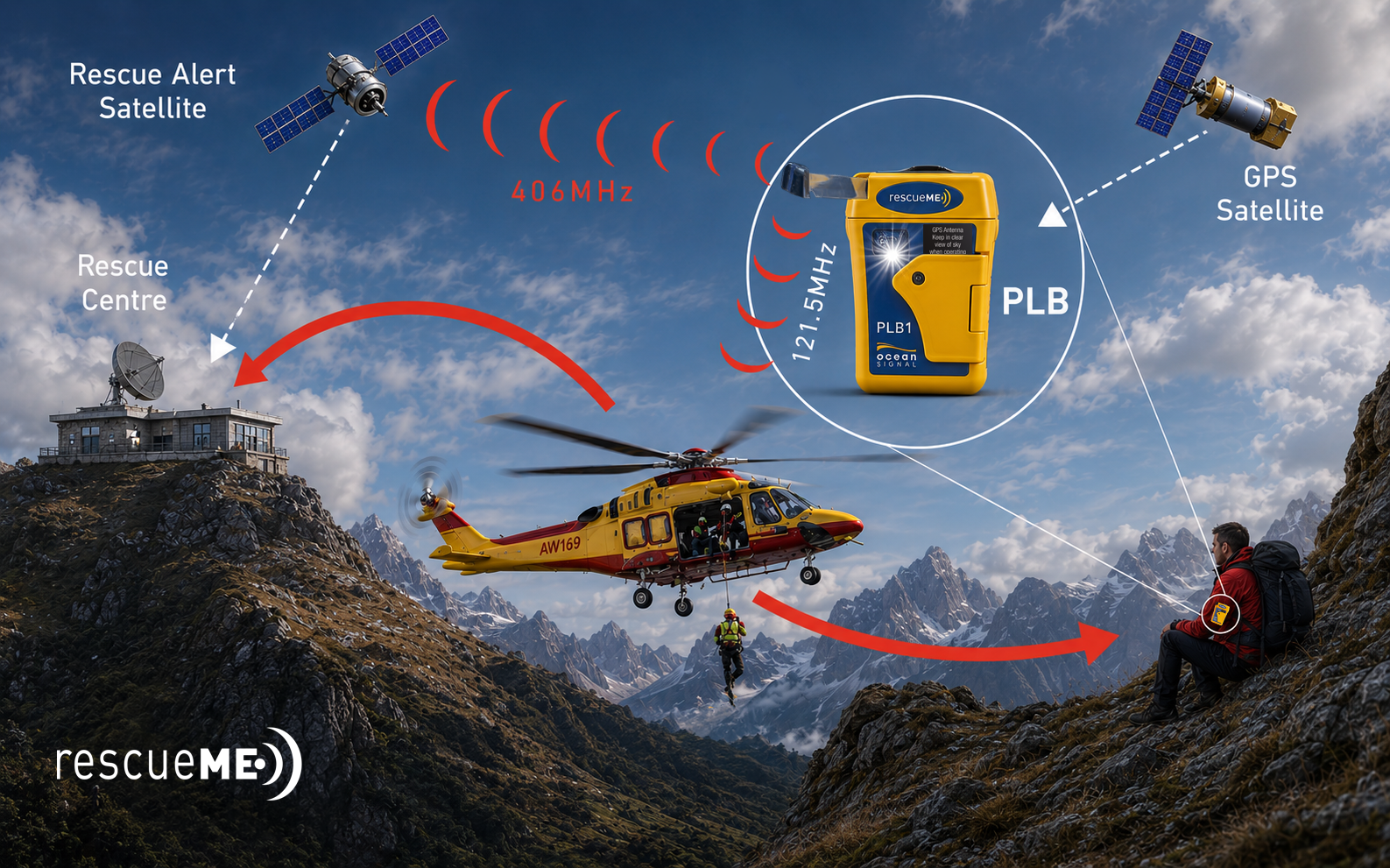
Når den er aktivert, sender en PLB en digital nødmelding til Cospas-Sarsat-satellittsystemet. Denne varslingen rutes til redningskoordinerende myndigheter, som bruker båkens unike identifikasjon og posisjonsdata til å organisere en hensiktsmessig søk- og redningsrespons.
De fleste moderne PLB-er inkluderer også GNSS-posisjonering, som GPS eller Galileo, for å gi en mer nøyaktig posisjon. Mange sender også et 121,5 MHz peilesignal, som hjelper redningsteam med å lokalisere båken på nærmere hold når de ankommer søkeområdet.
Enkelt forklart:
En PLB bør kun aktiveres i en alvorlig nødsituasjon der det er alvorlig og overhengende fare og du trenger redningsassistanse.
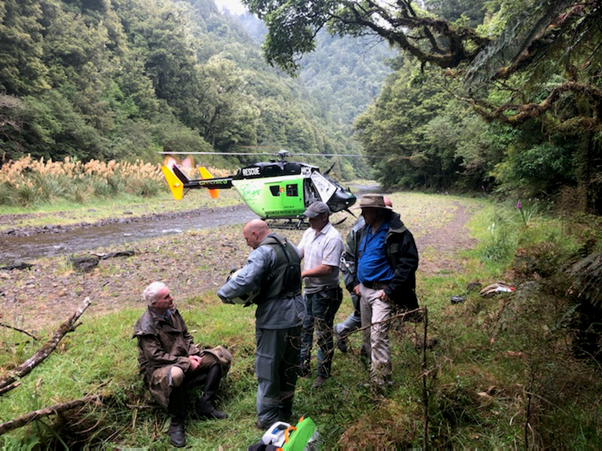
Eksempler kan inkludere:
En PLB bør ikke brukes til rutinemessige statusmeldinger, ikke-akutt støtte, generell sporing eller bekvemmelighetsmeldinger.
Hvis du leter etter virkelige PLB-overlevelseshistorier, kan du lese førstehåndsberetninger via våre 406 Survivor Club-historier her

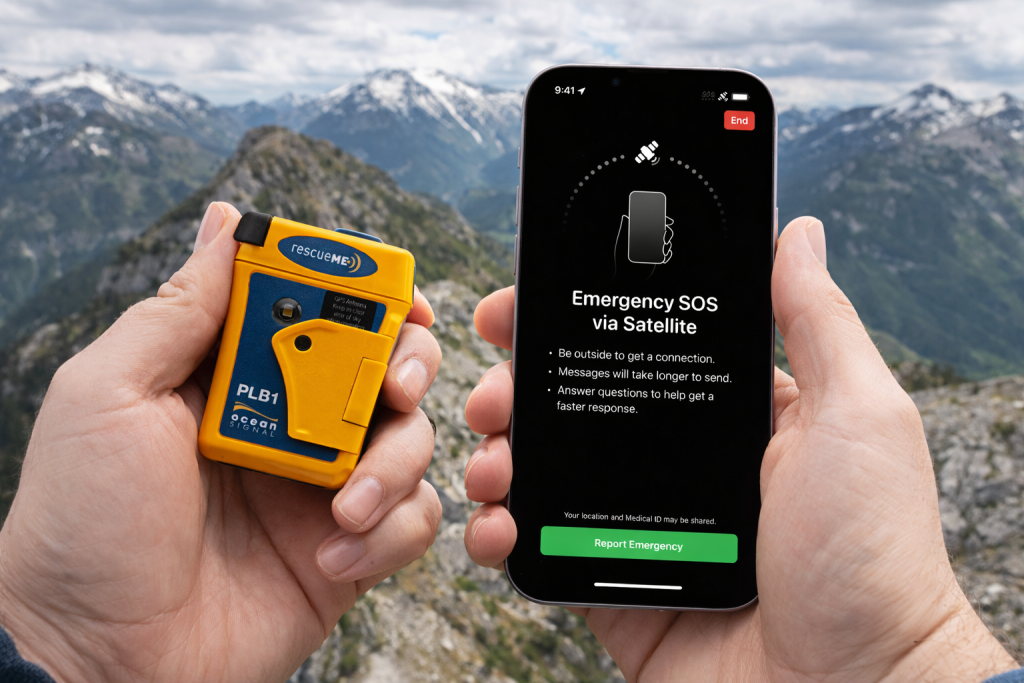
iPhone Emergency SOS via satellitt er en imponerende sikkerhetsfunksjon og kan være en verdifull reserve når du er utenfor mobil- og Wi-Fi-dekning. Men den er ikke det samme som å bære en dedikert personlig nødpeilesender. Vi dekker dette i full detalj i vår ’PLB1 vs iPhone Emergency SOS’-veiledning.
En PLB er bygget for én jobb: å sende et nødvarsel gjennom det internasjonale 406 MHz søk- og redningssystemet.
En iPhone er en smarttelefon med en satellittmeldingsfunksjon for nødsituasjoner. For å bruke den trenger du en kompatibel iPhone, nok batteri, en fungerende skjerm, evnen til å samhandle med enheten, og et klart nok utsyn mot himmelen for å koble til og forbli tilkoblet mens informasjon sendes.
Under rolige forhold kan det fungere veldig bra. I en reell nødsituasjon betyr forskjellen noe.
Du kan være kald, våt, skadet, ha på deg hansker, ha en ødelagt skjerm, lavt batteri, kraftig regn, sjøsprøyt, dårlig sikt, skogdekke, klipper, fjell eller grov sjø. Under slike forhold har en dedikert redningsbåke med et beskyttet nødaktiveringssystem en helt annen rolle enn en telefon.
| Trekk | Personal Locator Beacon | iPhone Emergency SOS via satellitt |
|---|---|---|
| Hovedformål | Dedikert nødredningsbåke | Smarttelefonfunksjon for nødsituasjoner |
| Bruker 406 MHz Cospas-Sarsat | Ja | Ingen |
| Krever mobildekning | Ingen | Ingen |
| Krever fungerende berøringsskjerm | Ingen | Ja |
| Krever at brukeren svarer på spørsmål | Ingen | Ja |
| Krever sikting/opprettholdelse av satellittforbindelse | Ingen | Ja |
| Batteri reservert for nødbruk | Ja | Avhenger av telefonens lading |
| 121,5 MHz målsøkingssignal | Ja, på mange PLB-er | Ingen |
| Vanntett/robust redningsdesign | Ja | Begrenset av telefonmodell og tilstand |
| Best rolle | Primær nødlivline | Verdifullt reservekommunikasjonsverktøy |
Dette betyr ikke at du ikke bør ha med deg en telefon. Telefonen din er et av de mest nyttige sikkerhetsverktøyene du eier. Den kan gi kart, vær, posisjonsdeling, anrop, meldinger og, på kompatible modeller, satellittmeldinger for nødsituasjoner.
Men for avsidesliggende seiling, fotturer, kajakk, flyging eller eventyrreiser, er den sikreste måten å tenke på det enkel:
iPhone-en din er en utmerket reserve. En PLB er din dedikerte redningsbåke.
Satellittmeldingstjenester (også kalt satelittkommunikatorer) er nyttige enheter. Mange tilbyr toveis meldinger, sporing, rutedeling og statusmeldinger. De er populære blant fotturister, seilere, overlanders og ekspedisjonsbrukere som ønsker å kommunisere når de er utenfor mobildekning.
En PLB er annerledes.
En PLB er ikke designet for tilfeldige meldinger eller sporing. Den er designet for nødvarsling. De fleste PLB-er krever ikke månedlig abonnement og er bygget for å forbli klar i årevis.
| Trekk | PLB | Satellittmeldingstjeneste/kommunikator |
| Nød-SOS | Ja | Ja |
| Toveis meldinger | Ingen | Vanligvis ja |
| Sporing og statusmeldinger | Ingen | Vanligvis ja |
| Månedlig abonnement | Ingen | Ja |
| Dedikert 406 MHz + 121,5 MHz peilesignal for redning | Ja | Vanligvis nei |
| Batteri holdt i reserve for nødbruk | Ja | Vanligvis oppladbart |
| Best for | Livstruende redningsvarsling | Kommunikasjon, sporing og SOS |
For mange er det beste sikkerhetsoppsettet ikke enten/eller. En satellittmeldingstjeneste kan være nyttig for kommunikasjon, mens en PLB gir en dedikert nødredningsbåke.
En av de største forskjellene mellom en personlig nødpeilesender og en satelittkommunikator er den langsiktige eierkostnaden.
Ocean Signal rescueME PLB1 er et engangskjøp uten månedlig abonnement påkrevd for nødredningsvarsling. Satelittkommunikatorer er designet for toveis meldinger, statusmeldinger, posisjonsdeling, sporing, værvarsler og SOS-kommunikasjon, men de krever en aktiv abonnementsplan. Begge enhetene kan være verdifulle sikkerhetsverktøy. De løser rett og slett forskjellige problemer.
En PLB er best når du ønsker en dedikert nødredningsbåke uten løpende abonnement. En Bivy Stick er best når du ønsker å kommunisere, sende oppdateringer, dele posisjonen din og holde kontakten utover mobilsignal.
PLB-er og EPIRB-er bruker begge 406 MHz nødvarsling, men de er designet for forskjellige roller.
En PLB bæres av en person. Den er kompakt, bærbar og aktiveres manuelt.
En EPIRB, eller Emergency Position Indicating Radio Beacon (nødposisjonsbåke), er registrert til et fartøy og designet for maritim nødvarsling. Avhengig av modell og kategori, kan en EPIRB aktiveres manuelt, aktiveres automatisk, og monteres i en flytende eller manuell brakett.
| Trekk | PLB | EPIRB |
| Registrert til | Enkeltperson | Fartøy |
| Typisk bruk | Individuell sikkerhet | Fartøysikkerhet |
| Aktivering | Håndbok | Manuell (CAT II-brakett) eller automatisk (CAT I-brakett) avhengig av modell |
| Størrelse | Mindre | Større |
| Bæres hvor? | På personen | På fartøyet – Med deg etter aktivering |
| Best for | Mannskap, fotturister, kajakpadlere, piloter | Nødvarsling på fartøynivå |
Hvis du seiler offshore, bør en EPIRB vanligvis betraktes som en del av fartøyets kjernesikkerhetsutstyr. En PLB legger til et ekstra lag med personlig sikkerhet for individuelle mannskapsmedlemmer.
For eksempel, hvis noen faller over bord eller blir separert fra fartøyet, kan en PLB båret på personen være tilgjengelig når fartøyets hovedsikkerhetsutstyr ikke er det.
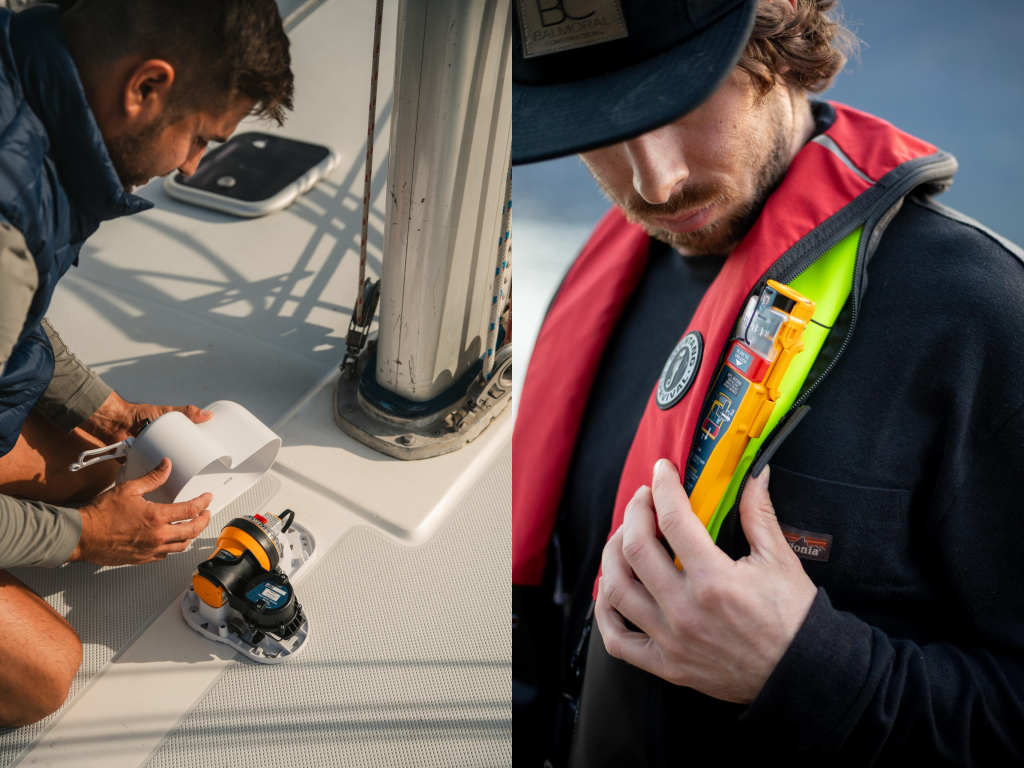
406 MHz er den internasjonalt tildelte nødfrekvensen for nødbåker, og 406 MHz-signalet er en av hovedårsakene til at en PLB er forskjellig fra en telefon, app eller generell utendørsgadget.
Moderne 406 MHz nødbåker er designet for å sende et nødvarsel til søk- og redningsmyndigheter via satellitt (Cospas-Sarsat). Signalet inkluderer en unik båkeidentifikasjonskode, som hjelper myndighetene med å identifisere båken og få tilgang til registreringsdetaljer.
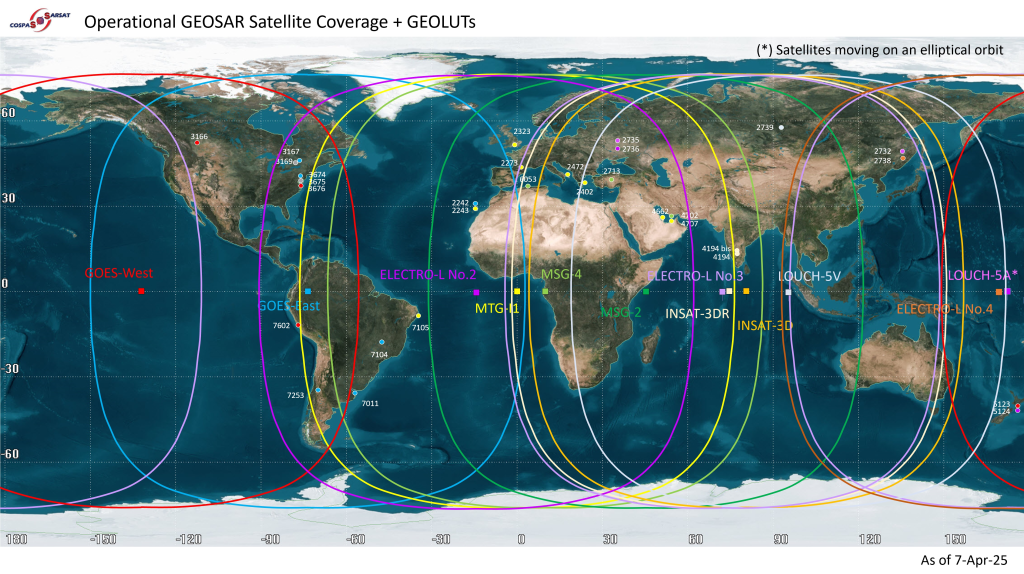
Den registreringsinformasjonen kan være viktig. Den kan hjelpe redningsmyndigheter med å forstå hvem som kan være i nød, hvilken aktivitet de kan holde på med, hvilket fartøy eller luftfartøy som kan være involvert, og hvem de skal kontakte i en nødsituasjon.
En PLB prøver ikke å være alt. Den er bygget rundt et dedikert redningsvarslingsystem.
Mange PLB-er sender også et 121,5 MHz peilesignal.
406 MHz nødvarselet hjelper til med å starte redningskjeden og gir posisjonsdata. 121,5 MHz peilesignalet hjelper redningsteam med å lokalisere båken mer presist når de er nærmere søkeområdet.
Dette kan være viktig under virkelige redningsforhold der sikten er dårlig, den skadde er lavt i vannet, terrenget er vanskelig, eller de siste meterne av søket er utfordrende.
Tenk på det slik:
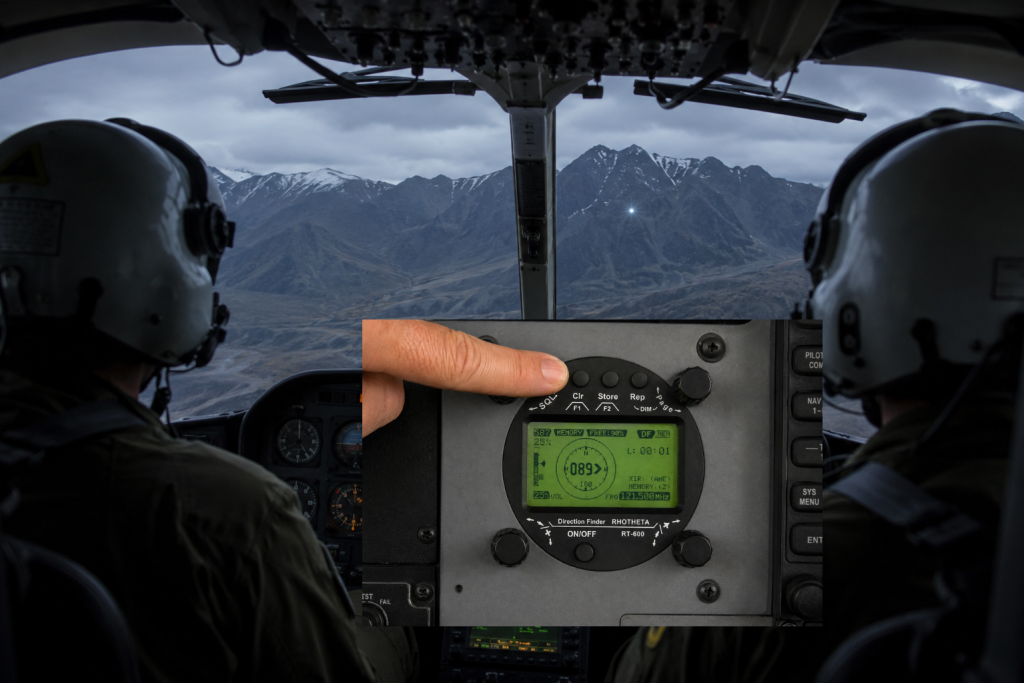
En retningsfinnerenhet plassert i et SAR-helikopterkockpit. En radiofinner (RDF) lar redningsteam peile seg inn mot posisjonen din via PLB-ens 121,5 MHz peilesignal.
Ikke alle personlige nødpeilesendere har de samme funksjonene.
Tradisjonelle PLB-er er designet for å sende et 406 MHz nødvarsel gjennom Cospas-Sarsat-satellittsystemet, ofte med GNSS-posisjonering og et 121,5 MHz peilesignal. Dette er kjerneteknologiene som hjelper søk- og redningsmyndigheter med å motta varselet ditt og hjelper redningsmannskaper med å lokalisere deg.
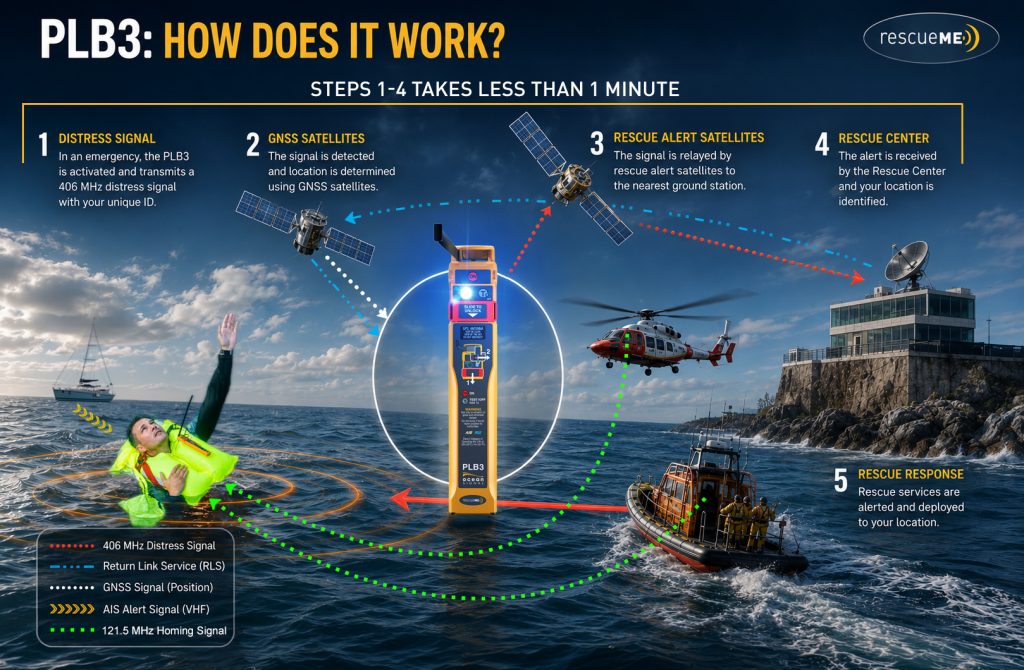
Noen nyere personlige båker, som Ocean Signal rescueME PLB3, legger til ekstra sikkerhetsteknologier. To av de viktigste er returlinkstjeneste, også kjent som RLS, og AIS. RLS kan være nyttig for enhver bruker som bærer en RLS-aktivert båke, enten de går på fotturer, seiler, padler kajakk, flyr eller arbeider avsidesliggende. AIS er imidlertid spesifikt en maritim sikkerhetsfunksjon designet for å hjelpe nærliggende AIS-utstyrte fartøy med å identifisere en person i nød.
Returlinkstjeneste, eller RLS, er en funksjon tilgjengelig på noen moderne 406 MHz nødbåker.
Når en RLS-aktivert båke aktiveres, sendes nødvarselet gjennom satellitt søk- og redningssystemet. Når varselet er mottatt og behandlet, kan et bekreftelsessignal sendes tilbake til båken gjennom Galileo-satellittnettverket.
På Ocean Signal rescueME PLB3 vises denne bekreftelsen med et blinkende blått lys.
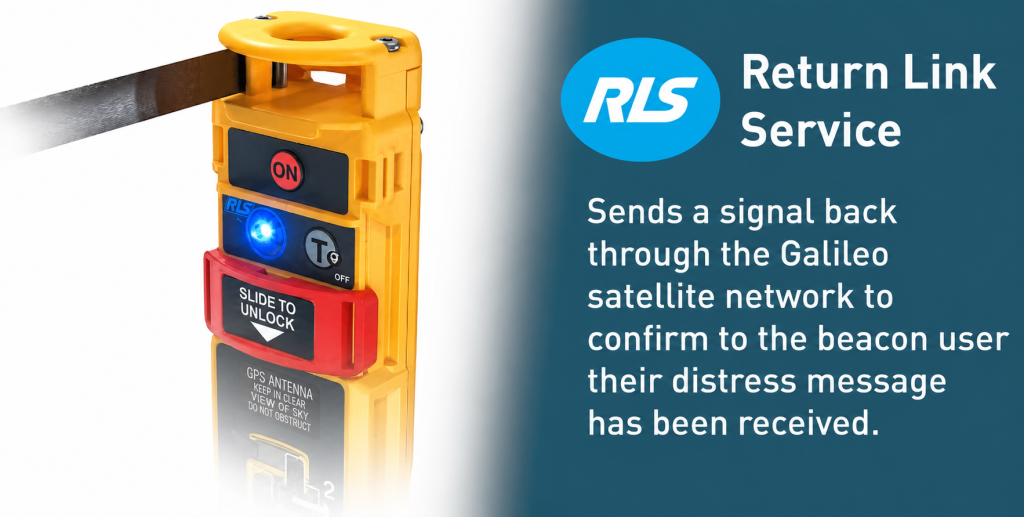
Dette betyr ikke at redning allerede har ankommet. Det betyr at nødvarselet er mottatt gjennom systemet, noe som gir personen i nød bekreftelse på at båken deres har kommunisert vellykket. Denne bekreftelsen kan være ekstremt viktig i en reell nødsituasjon. Enten du er til havs, i fjellene, i en avsidesliggende dal, flyr over vanskelig terreng eller utenfor mobilsignal, kan det å vite at nødvarselet ditt er mottatt gi verdifull trygghet mens du venter på hjelp.
AIS står for Automatic Identification System (automatisk identifikasjonssystem). Det er en maritim teknologi som brukes av mange fartøy for å dele og motta posisjonsinformasjon.
Når den er inkludert i en personlig nødpeilesender som Ocean Signal rescueME PLB3, kan AIS hjelpe til med å varsle nærliggende AIS-utstyrte fartøy om en person i nød. Dette er spesielt nyttig i en mann over bord-situasjon, der de nærmeste potensielle redningsmannskapene kan være ditt eget fartøy eller et annet fartøy i nærheten.
AIS erstatter ikke 406 MHz satellitt nødvarselet. I stedet legger det til et lokalt maritimt varslingslag. For seilere er denne kombinasjonen kraftig fordi den støtter både global og lokal redningsrespons. 406 MHz-signalet hjelper til med å varsle søk- og redningsmyndigheter, mens AIS kan hjelpe nærliggende fartøy med å se båkens posisjon raskere på kompatibelt AIS-utstyr.
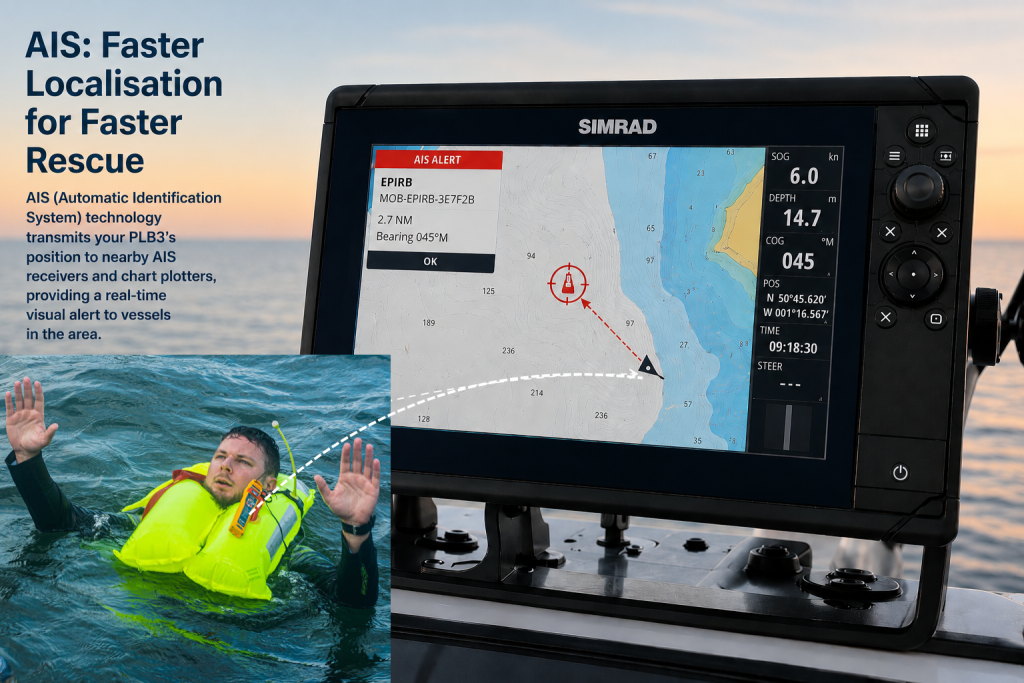
Disse teknologiene fungerer sammen, men de gjør forskjellige jobber.
| Teknologi | Hva den gjør | Hvorfor det er viktig |
|---|---|---|
| 406 MHz | Sender et nødvarsel gjennom Cospas-Sarsat-satellittsystemet | Varsler søk- og redningsmyndigheter |
| GNSS / GPS / Galileo | Gir posisjonsdata | Hjelper til med å kommunisere posisjonen din mer nøyaktig |
| 121,5 MHz | Sender et lokalt peilesignal | Hjelper redningsteam med å nærme seg båken |
| RLS | Sender bekreftelse tilbake til båken om at nødvarselet er mottatt | Forsikrer personen i nød om at varselet har gått gjennom |
| AIS | Sender et lokalt varsel til nærliggende AIS-utstyrte fartøy | Hjelper nærliggende fartøy med å identifisere posisjonen din, spesielt i mann over bord-situasjoner |
| Blinklys | Gir visuelle og infrarøde lokaliseringshjelpemidler | Hjelper redningsmannskaper med å oppdage deg i mørke, dårlig sikt eller utfordrende forhold |
For generell utendørsbruk, luftfart, reise og maritim bruk, gir en kompakt 406 MHz PLB som rescueME PLB1 en dedikert, abonnementsfri nødpeilesender.
For brukere som ønsker ekstra trygghet, kan en RLS-aktivert nødpeilesender som rescueME PLB3 bekrefte at nødsignalet er mottatt via satellittbasert søk- og redningssystem.
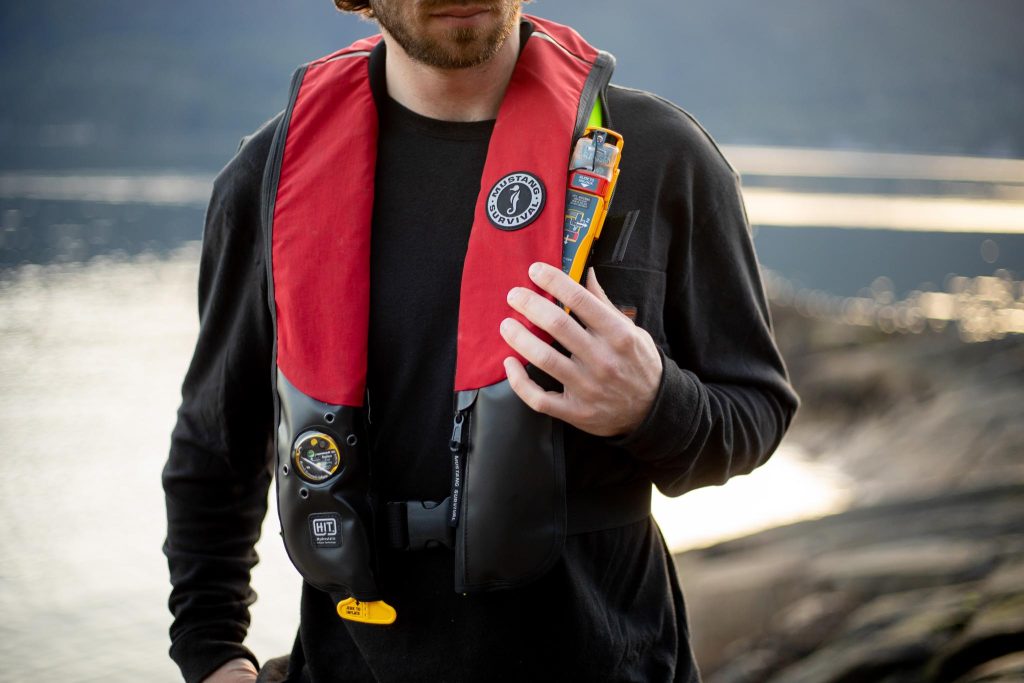
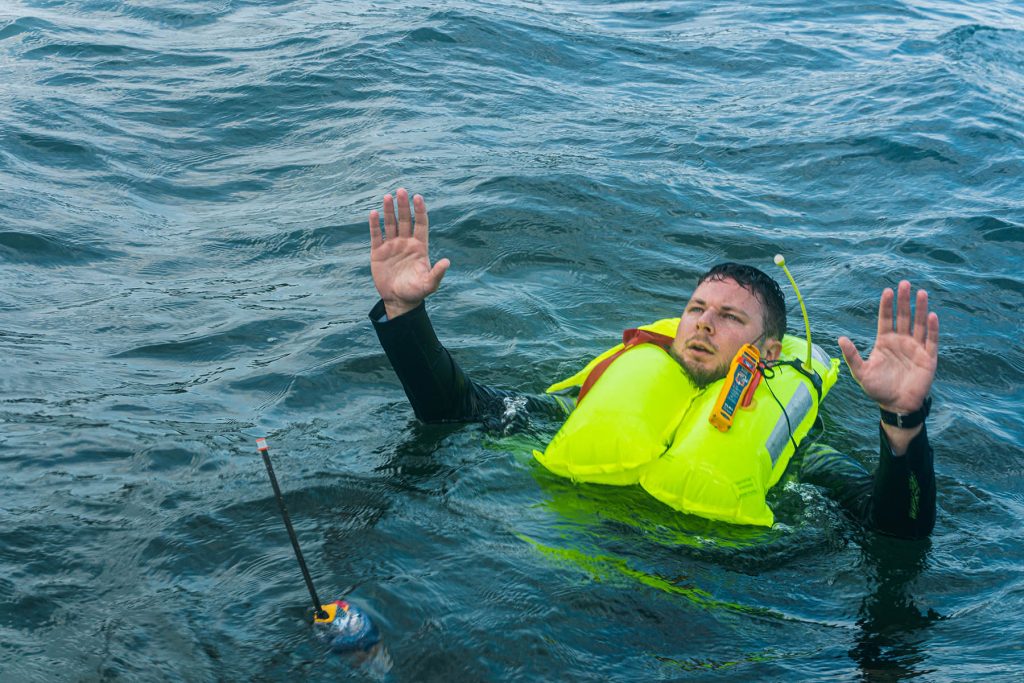
For marine brukere, spesielt seilere som bruker oppblåsbare redningsvester, legger rescueME PLB3 til AIS-varsling som et ekstra lokalt redningslag, som hjelper nærliggende AIS-utstyrte fartøy med å identifisere nødpeilesenderens posisjon.
Nei. En ekte 406 MHz Personal Locator Beacon krever ikke et månedlig abonnement for å sende et nødsignal via Cospas-Sarsat søk- og redningssystem.
Dette er en av de største grunnene til at folk velger en PLB. Du kjøper nødpeilesenderen, registrerer den riktig, vedlikeholder den, tester den i henhold til produsentens veiledning, og holder den klar for nødbruk.
Det er ingen månedlige abonnementsavgifter for 406 MHz nødsignalet.
Registrering av din PLB er en viktig del av redningsprosessen. Når en 406 MHz nødpeilesender aktiveres, kan søk- og redningsmyndigheter bruke registreringsinformasjon til å identifisere eieren av nødpeilesenderen, kontakte nødkontakter, forstå den sannsynlige aktiviteten eller fartøyet som er involvert, og koordinere redningsresponsen mer effektivt.
Bruk lenkene nedenfor for å finne den relevante registreringsmyndigheten for nødpeilesendere i ditt land:
Land ikke oppført? Besøk den offisielle Cospas-Sarsat International Beacon Registration Database eller kontaktkatalogen for registrering for å finne riktig myndighet for din nødpeilesender:
Vennligst merk: registreringsprosedyrer, kodingsregler og juridiske krav varierer etter land og nødpeilesendertype. PLB-regler kan også variere avhengig av om nødpeilesenderen brukes til land-, maritim- eller luftfartsformål. Følg alltid veiledningen fra din nasjonale myndighet og hold registreringsdetaljene dine oppdatert.
En PLB er et sterkt valg for seilere, offshore-mannskap, motorbåtførere, fiskere og alle som tilbringer tid på vannet.
På en båt kan fartøyet ha VHF-radio, EPIRB, nødbluss, AIS og annet sikkerhetsutstyr. Men hvis du blir adskilt fra fartøyet, er det viktigste sikkerhetsutstyret det utstyret du faktisk har på deg eller bærer med deg.
Derfor velger mange seilere å bære en PLB på redningsvesten sin.

En PLB kan være spesielt nyttig for:
Avsidesliggende åser, fjell og stier kan ha upålitelig mobilsignal. Været kan endre seg raskt, stier kan bli vanskelige å følge, og skader kan gjøre selvredning umulig.
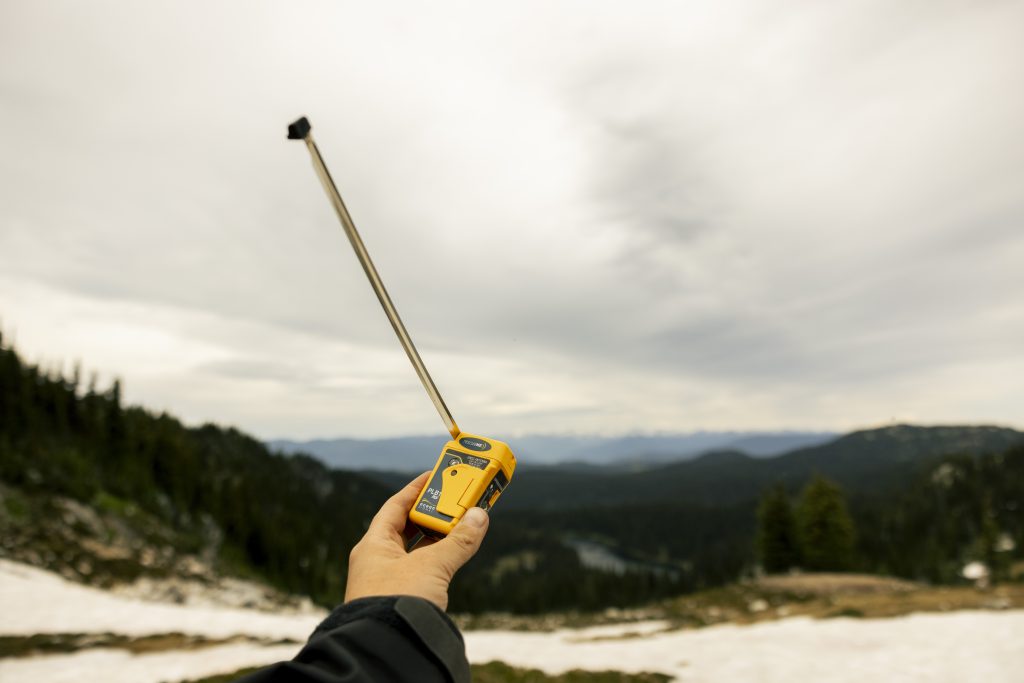
En kompakt PLB gir turgåere, fjellklatrere, villcampere og avsidesliggende turgåere et nødvarslingsalternativ når en telefon ikke kan koble til.
En PLB kan være nyttig for:
Kajakkpadlere/havkajakkpadlere og padlebrettkjørere kan raskt bli adskilt fra land, gruppemedlemmer eller farkosten sin.
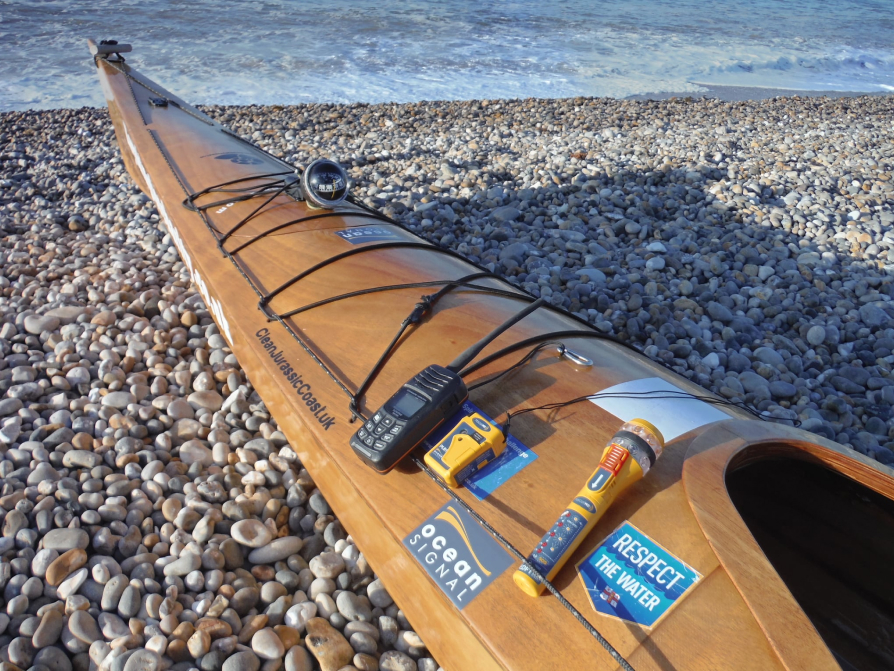
En vanntett PLB båret på kroppen gir et nødvarslingsalternativ hvis normal kommunikasjon ikke er mulig. For vannsport er tilgjengelighet avgjørende. Nødpeilesenderen bør bæres der den kan nås i en nødsituasjon, ikke lagres et utilgjengelig sted.
En Personal Locator Beacon kan være en verdifull del av en pilots personlige overlevelsesutstyr, spesielt for generell luftfart, lette fly, seilflyging, mikrofly, helikoptre, flyging i avsidesliggende områder og flyging over vann eller vanskelig terreng.
Fly kan allerede ha en ELT, eller Emergency Locator Transmitter. En ELT er designet for å hjelpe søk- og redningsteam med å lokalisere flyet etter en ulykke. I den forstand er en ELT for et fly det en EPIRB er for en båt: den er primært knyttet til kjøretøyet.
En PLB spiller en annen rolle. En PLB bæres av personen.
Den forskjellen er viktig i en reell nødsituasjon. Hvis du nødlander i vann, krasjlander, evakuerer flyet, beveger deg bort på grunn av brannfare, eller trenger å søke ly etter landing i avsidesliggende terreng, er flyets ELT kanskje ikke lenger med deg. En PLB båret i lommen, flyvesken, overlevelsesvesten eller redningsvesten gir deg en dedikert nødpeilesender som blir hos piloten eller passasjeren.
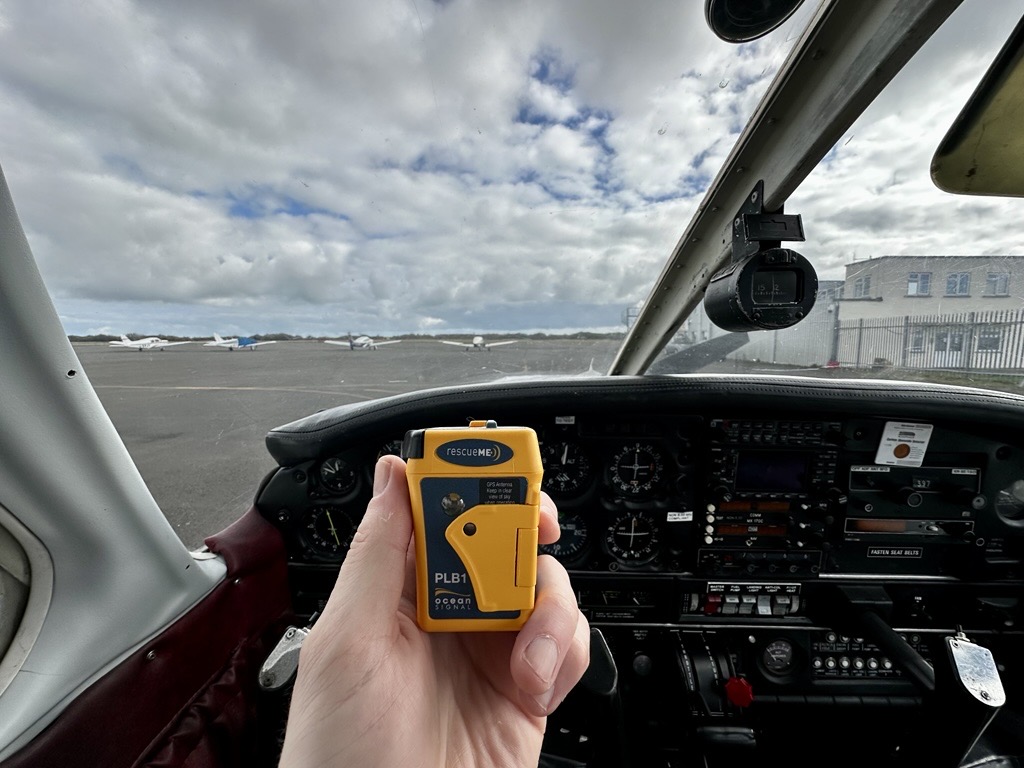
En ELT og en PLB bør ikke sees på som konkurrerende enheter. De er komplementære lag av nødvern.
| Trekk | Fly-ELT | Personal Locator Beacon |
|---|---|---|
| Hovedformål | Lokalisere flyet | Lokalisere personen |
| Vanligvis montert på | Fly | Pilot, passasjer eller overlevelsesutstyr |
| Aktivering | Automatisk eller manuell, avhengig av type | Håndbok |
| Beste bruksområde | Lokalisering av krasjsted | Lokalisering av overlevende etter evakuering, nødlanding i vann eller adskillelse fra flyet |
| Flytter med deg etter landing/krasj? | Vanligvis nei | Ja |
| Nyttig hvis du forlater flyet? | Begrenset | Ja |
| Registrering | Fly-/nødpeilesenderregistreringsdetaljer | Personlige/luftfartsrelaterte nødpeilesenderregistreringsdetaljer |
En fly-ELT er ekstremt viktig, men den er normalt knyttet til flyet. Hvis flyet er skadet, nedsenket, utilgjengelig, skjermet av terreng, eller du må bevege deg bort fra det, gir ELT-en kanskje ikke den samme personlige lokaliseringsfordelen som en PLB båret med deg.
En PLB gir piloter og passasjerer et ekstra sikkerhetslag fordi den kan aktiveres fra der den overlevende faktisk befinner seg, ikke bare der flyet landet.
Dette kan være spesielt nyttig for:
rescueME PLB1 har også blitt anmeldt av FLYER Magazine, en britisk luftfartspublikasjon. Deres anmeldelse fremhevet PLB1s kompakte størrelse, enkle enhåndsaktivering, høyintensitets strobe, uttrekkbare antenne, 406 MHz og 121,5 MHz sendinger, 24-timers driftstid, syv års batterilevetid og mangel på månedlig overvåking eller abonnementsavgift.
[Les FLYER Magazines anmeldelse av rescueME PLB1]
Krav til nødpeilesendere i luftfart varierer etter land, flytype, registrering, operasjon, rute og tiltenkt bruk.
En Personal Locator Beacon kan være en verdifull personlig sikkerhetsenhet for piloter og passasjerer, spesielt når man flyr over vann, avsidesliggende områder, fjell eller terreng med begrenset mobildekning. Imidlertid er krav til ELT-er, PLB-er og annet nødpeileutstyr fastsatt av luftfartsmyndighetene og kan variere mellom jurisdiksjoner.
Før du stoler på en nødpeilesender for luftfartsbruk eller overholdelse, sjekk alltid den nyeste offisielle veiledningen fra den relevante luftfartsmyndigheten.
Nyttige startpunkter inkluderer:
Piloter bør også sjekke reglene for flyets registreringsland, operasjonsland eller -region, typen flyging som utføres og eventuell gjeldende flydokumentasjon.
En PLB bør betraktes som en personlig overlevelsespeilesender som kan utfylle flyets nødutstyr. For lovlige krav til bæring, koding, registrering og operativ veiledning, henvis alltid direkte til den relevante luftfartsmyndigheten.
Ocean Signal designer kompakte nødpeilesendere for reell maritim, utendørs og luftfartssikkerhet.
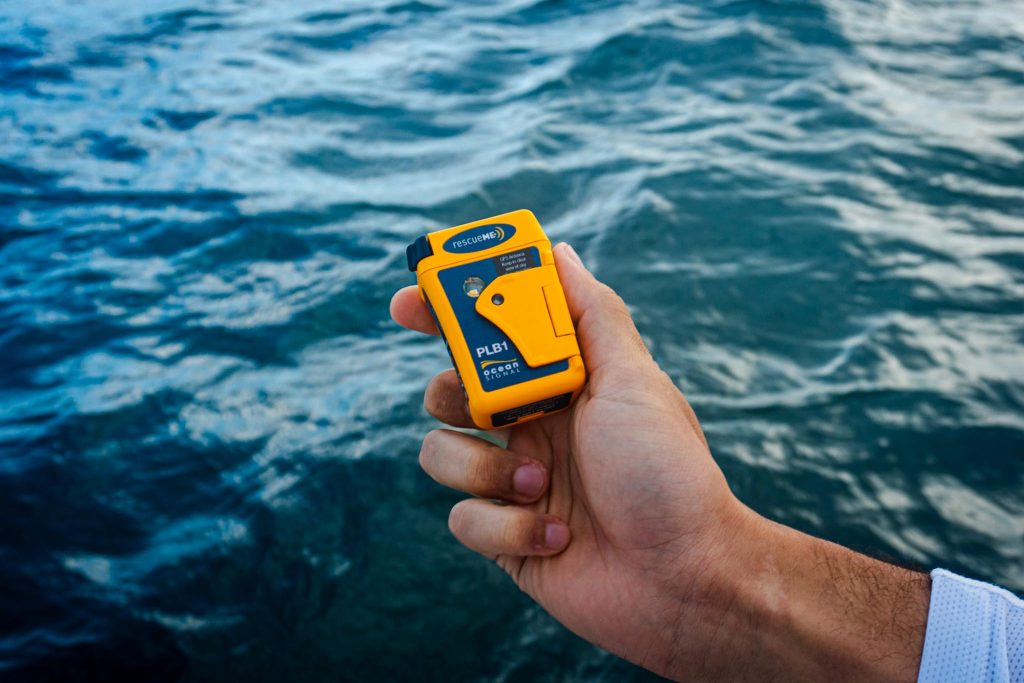
rescueME PLB1 er designet for brukere som ønsker en kompakt, lett og abonnementsfri 406 MHz Personal Locator Beacon.
Nøkkelfunksjoner inkluderer:
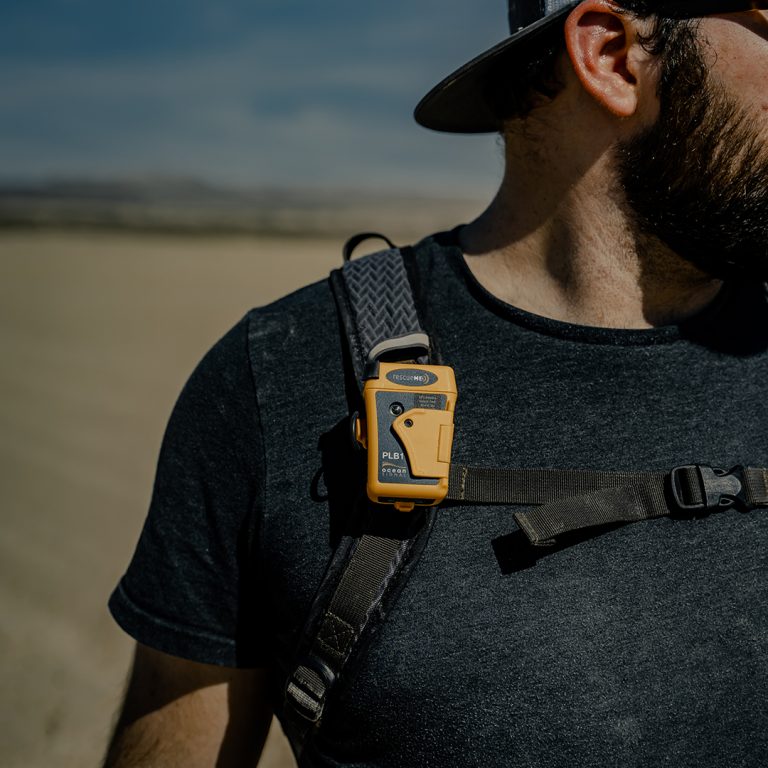
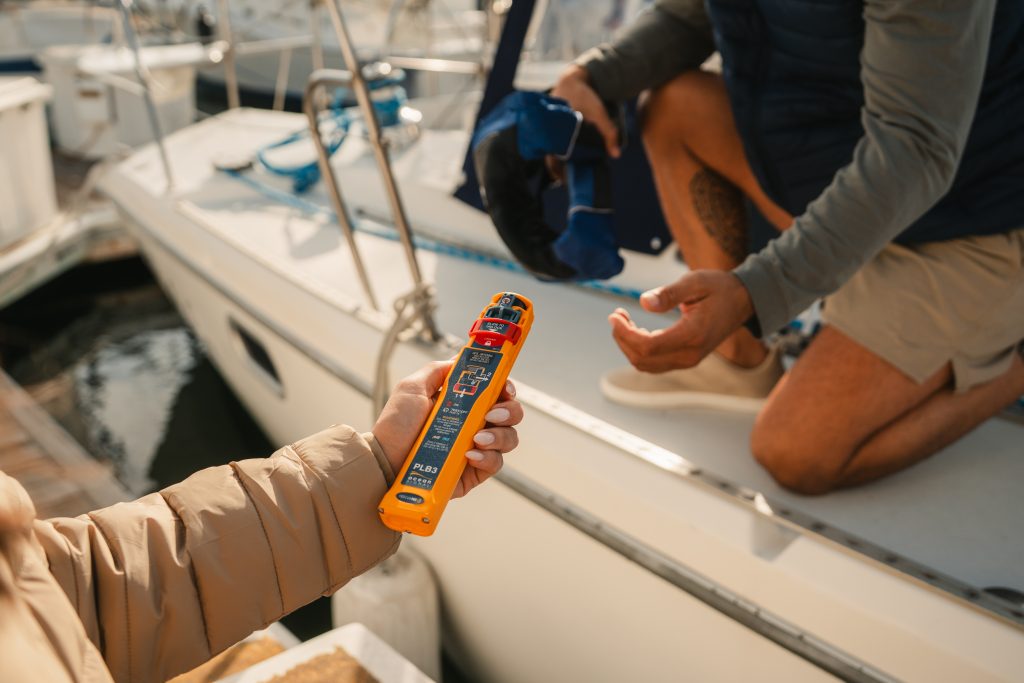
Den rescueME PLB3 er designet for marine brukere som ønsker avanserte lokale og globale varslingsfunksjoner i én kompakt nødpeilesender.
Den kombinerer 406 MHz Cospas-Sarsat nødvarsling med AIS mann over bord-varsling, Return Link Service, NFC-apptilkobling, GNSS-posisjonering, 121,5 MHz homing, og synlige/infrarøde strobelys.
Den er spesielt godt egnet for:
PLB3 er designet for å installeres i en kompatibel oppblåsbar redningsvest og aktiveres når redningsvesten blåses opp, når den er riktig montert i henhold til instruksjonene og produsentens veiledning for redningsvesten.
Når du velger en PLB, bør du vurdere:
For fotturer, reise og generell beredskap kan en kompakt 406 MHz PLB være ideell. For offshore seiling eller sikkerhet ved mann over bord, kan AIS-funksjoner og integrering i redningsvest være viktigere.
En PLB hjelper bare hvis du kan nå den. På vannet er det vanligvis bedre å bære den på kroppen enn å lagre den i en bag eller et skap.
AIS kan hjelpe nærliggende utstyrte fartøy med å se et mann over bord-varsel lokalt. Dette er spesielt relevant for seilere og båtfolk som opererer nær andre fartøy.
Sjekk nødpeilesenderens utløpsdato for batteriet.
En GPS-sporer er vanligvis designet for posisjonsdeling eller sporing. En PLB er designet for nødvarsling.
Ja. PLBer kan brukes på land eller til sjøs og i noen luftfartskontekster. Sjekk alltid lokale kode- og registreringskrav for ditt land og din aktivitet.
Ja, PLBer er designet for å fungere via det internasjonale Cospas-Sarsat satellittsystemet. For best ytelse bør nødpeilesenderen ha fri sikt til himmelen og brukes i henhold til produsentens instruksjoner.
Nei. En standard PLB er ikke en toveis meldingsenhet. Det er en nødpeilesender. Hvis du trenger rutinemessige meldinger, sporing eller innsjekkinger, bør du vurdere å bære en satellittmelder som et ekstra kommunikasjonsverktøy.
En PLB og iPhone Nødanrop SOS har forskjellige roller. En iPhone kan være et verdifullt sikkerhetskommunikasjonsverktøy, men en PLB er en dedikert nødpeilesender som bruker 406 MHz nødvarslingssystemet. For avsidesliggende eller høyrisikoaktiviteter bærer mange brukere begge deler.
En PLB er bedre for dedikert, abonnementsfri 406 MHz nødvarsling. En satellittmelder er bedre for toveis meldinger, sporing og ikke-nødkommunikasjon. Mange seriøse utendørs- og marinebrukere bærer begge deler.
For båtliv beskytter en EPIRB fartøyet. En PLB beskytter individet. Offshore-seilere og mannskap kan bære begge deler fordi de løser forskjellige sikkerhetsproblemer.
Bær den et sted som er lett tilgjengelig i en nødsituasjon. På vannet bør den bæres på kroppen, ideelt sett festet til eller integrert i redningsvesten. For fotturer bør den være lett å nå og ikke ligge nederst i en ryggsekk.
PLB-er er utformet med beskyttede aktiveringssystemer for å redusere utilsiktet aktivering. Les alltid brukermanualen og forstå hvordan du tester, bærer og aktiverer nødpeilesenderen din på riktig måte.
Etter at du har kjøpt en PLB, bør du:
En personlig nødpeilesender (PLB) er en av de enkleste og mest pålitelige måtene å tilkalle hjelp på når mobilsignal, VHF-radio eller andre kommunikasjonsmetoder er utilgjengelige.
Telefoner, apper og satellittmeldingsenheter er verdifulle sikkerhetsverktøy. Men en PLB er annerledes. Det er en dedikert nødpeilesender bygget for å varsle søk- og redningsmyndigheter når du er i alvorlig og overhengende fare.
For seilere, turgåere, padlere, piloter og eventyrere i fjerntliggende strøk, er en PLB ikke bare en hvilken som helst del av utstyret.
Det er en livline.
Sikkerhetsveiledninger
EPIRB forklart: Hva det er, hvordan den fungerer, og når du trenger en
Bez kategorii
Wielokrotnie nagradzany sygnalizator RescueME PLB3 firmy Ocean Signal ratuje życie podczas wstrząsającej akcji ratunkowej katamaranem
Blog
EPIRB-registrering: Viktigheten av å holde informasjonen din oppdatert