












rescueME PLB1 Personal Locator Beacon
One compact PLB. For land, sea and air.

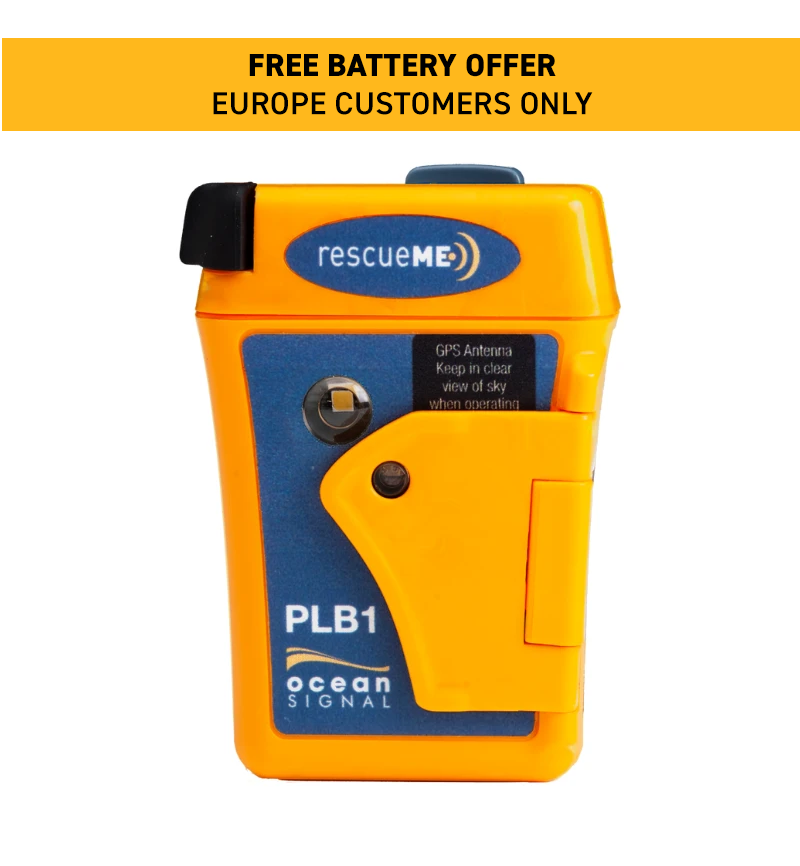
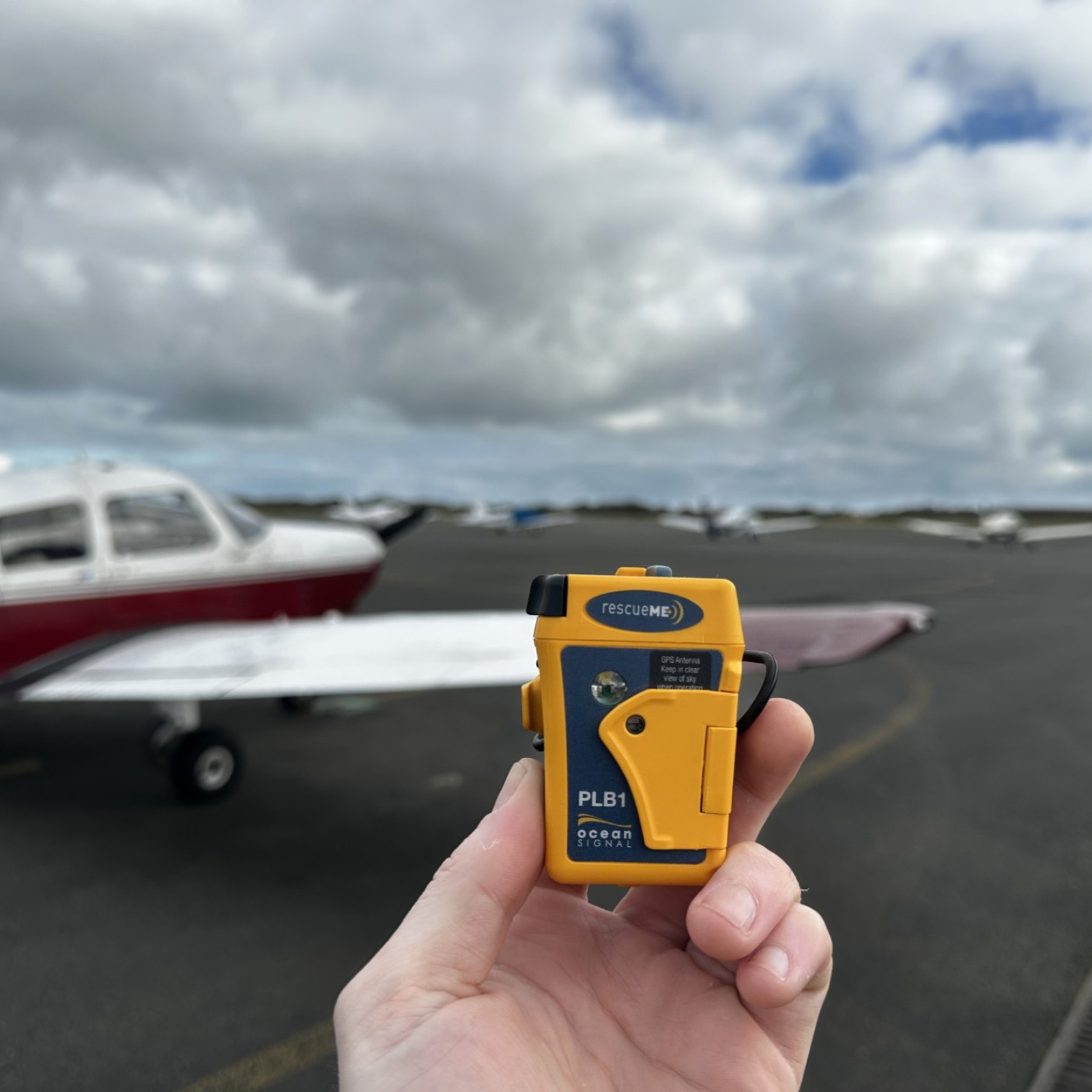
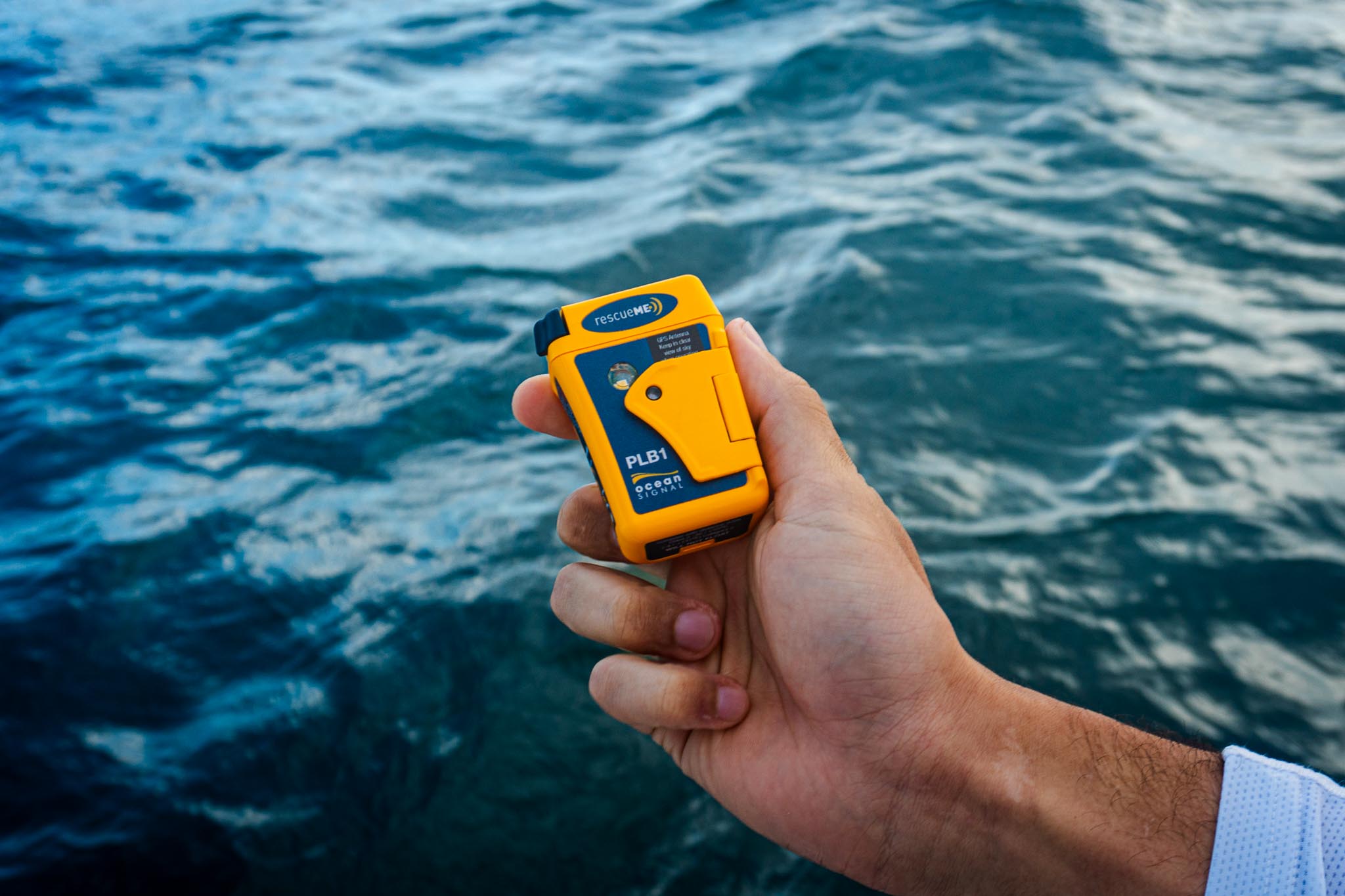
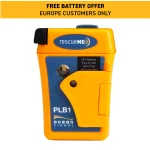
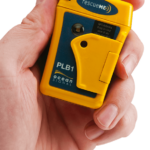
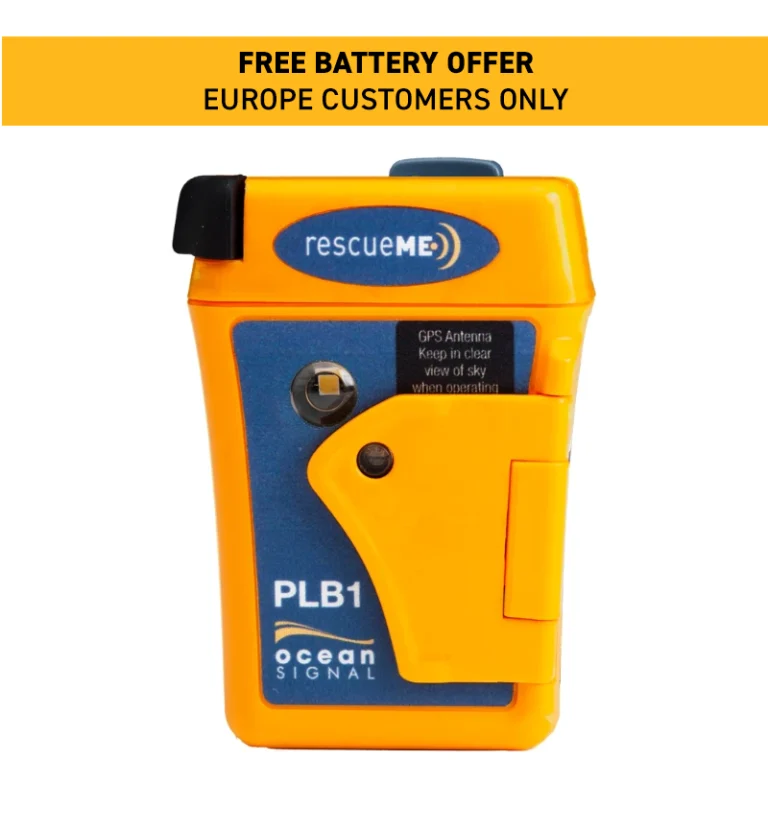
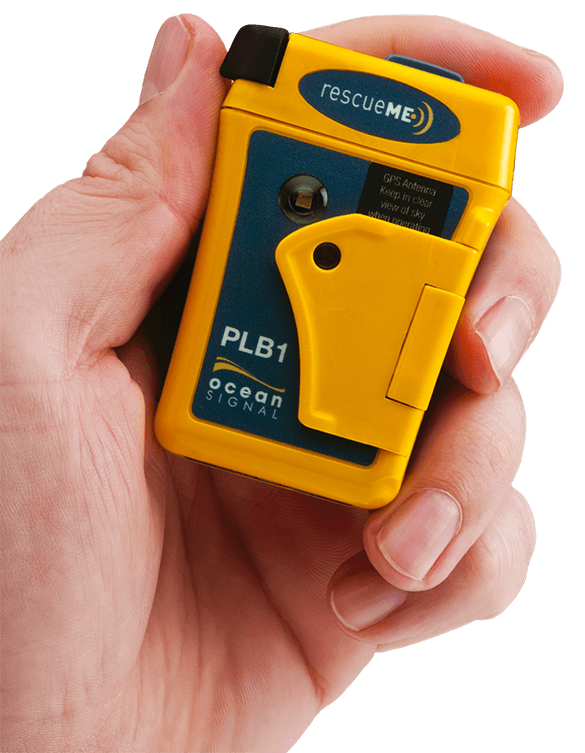
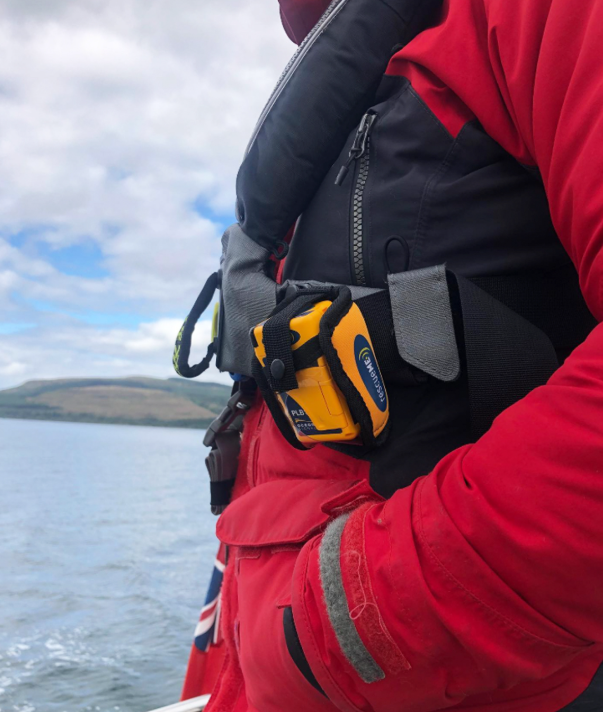
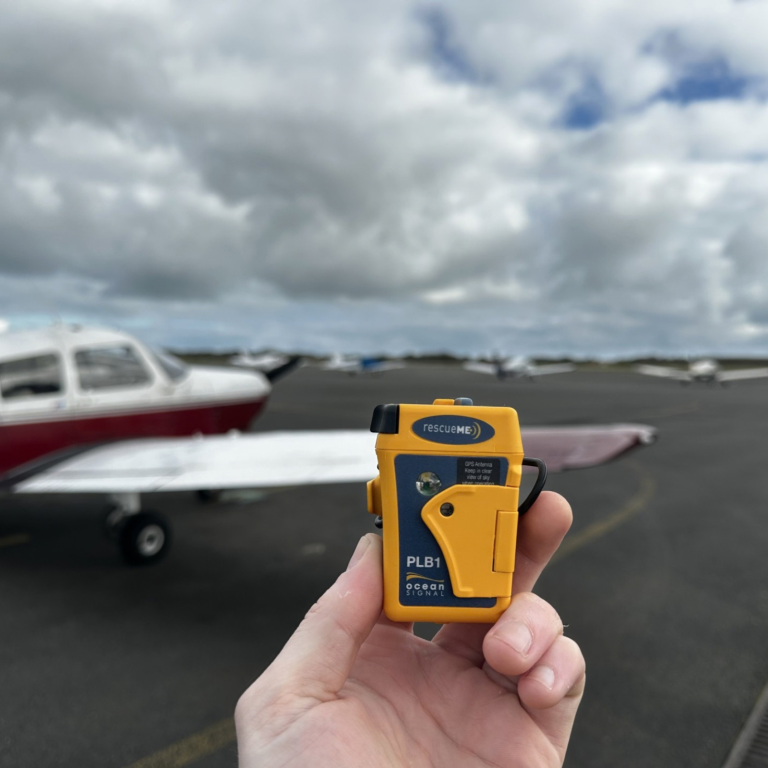
The rescueME PLB1 is a compact Personal Locator Beacon for hikers, sailors, paddlers and pilots. Manual activation sends a 406 MHz distress alert and available GPS position through the global Cospas-Sarsat satellite system, without mobile coverage or subscription fees. Carry it secured and within reach for a life-threatening emergency.
New to emergency beacons? Read the complete Personal Locator Beacon guide.
Who is the PLB1 for?
From the trail to the cockpit, carry a dedicated way to call for help in a life-threatening emergency.


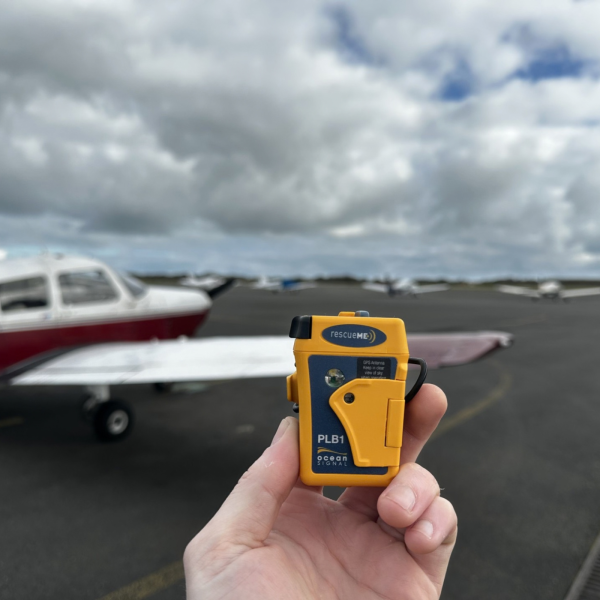
Real People. Real Rescues.
Proven when it matters most
Actual rescue photographs. First-hand accounts. See how the rescueME PLB1 helped these people get professional help when they could not get out safely.




Worldwide replacement programme
The 406 Survivor Club
Rescue stories from people who carried their beacon when it mattered.
Independent perspectives
What the reviewers say
Independent PLB1 reviews and coverage from outdoor, marine and aviation publications. Read their verdicts and the full context.
Outdoor gear test
OutdoorGearLab
“great value and very compact stature”
Recognises the PLB1 for SOS without a subscription, highlighting its compact size and straightforward emergency role.
Outdoor review & comparison
HikingGuy
“The PLB1 wins on simplicity and transmit power”
Explains the PLB1’s dedicated SOS role and the trade-offs compared with a two-way satellite messenger.
Marine product coverage
Yachting Magazine
“Here’s one for your tender kit and life-raft ditch bag”
Introduces the PLB1 as compact emergency equipment for time afloat, with no monthly subscription.
Aviation review
FLYER
An aviation perspective on the PLB1
Read FLYER’s independent rescueME PLB1 review when considering your personal emergency equipment for flying.

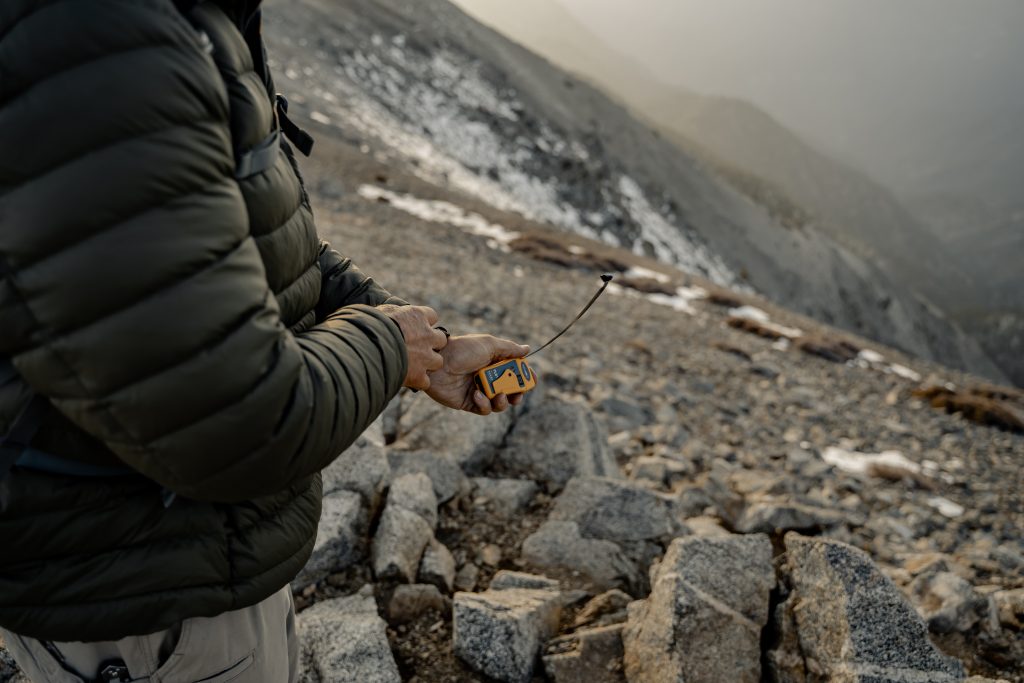
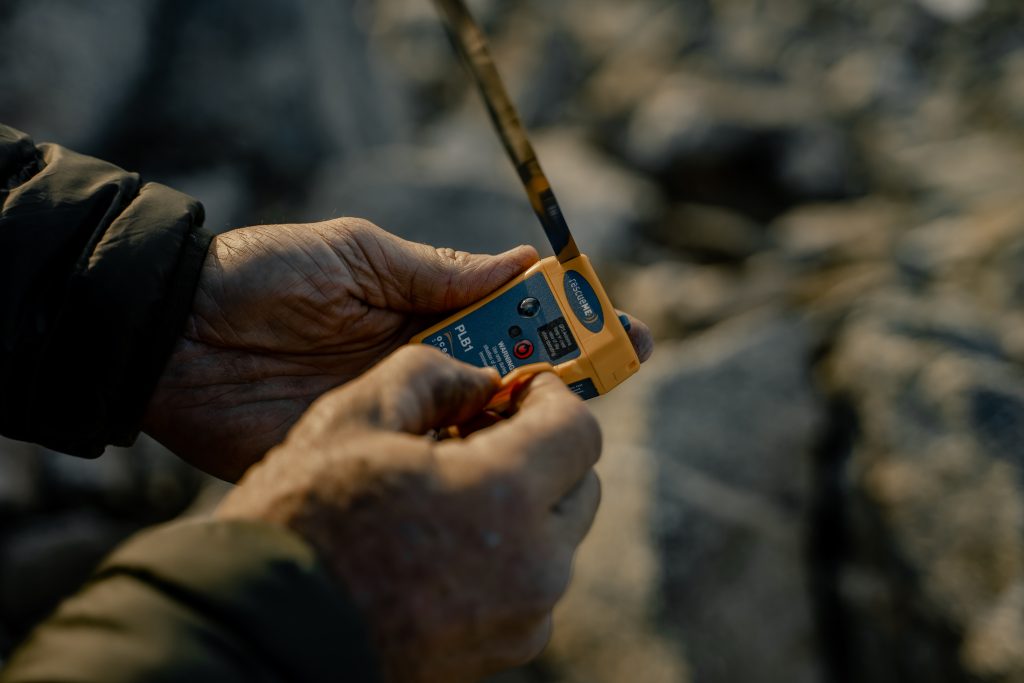
Subscription-free emergency protection
No subscription fees. Ever.
No monthly plan. No annual service fee. The PLB1’s 406 MHz emergency alerting works through Cospas-Sarsat. Register before use and keep the battery within its replacement date.

0
Monthly or annual subscription fees for the PLB distress function.
No mobile signal required
Designed for emergencies offshore and beyond normal network coverage.
7-year battery interval
Replace by the date on the beacon, or after emergency activation, through an authorised centre.
24+ hours at −20°C
Specified operating duration after activation, with a battery within its replacement date.
A PLB does not provide routine tracking, weather, non-emergency messaging or two-way conversation. Choose it when dedicated, subscription-free distress alerting is the priority. See the practical differences in PLB1 versus iPhone Emergency SOS.
Global search and rescue technology
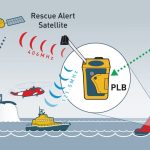
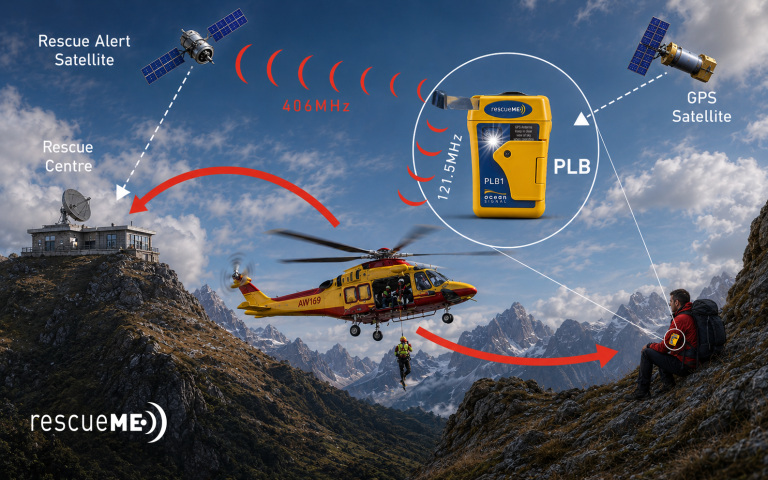
How the rescueME PLB1 helps Search & Rescue find you
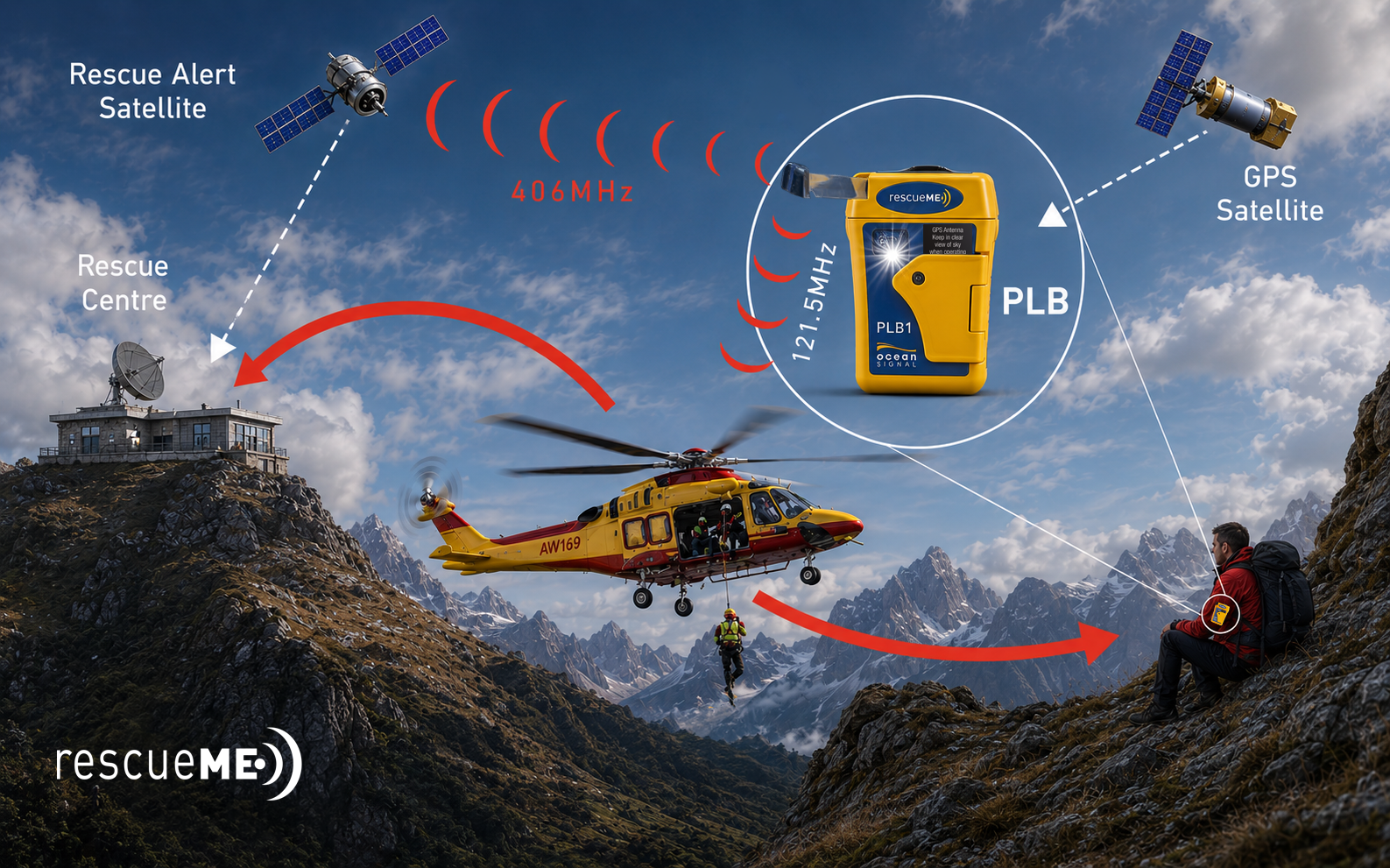
GPS positioning
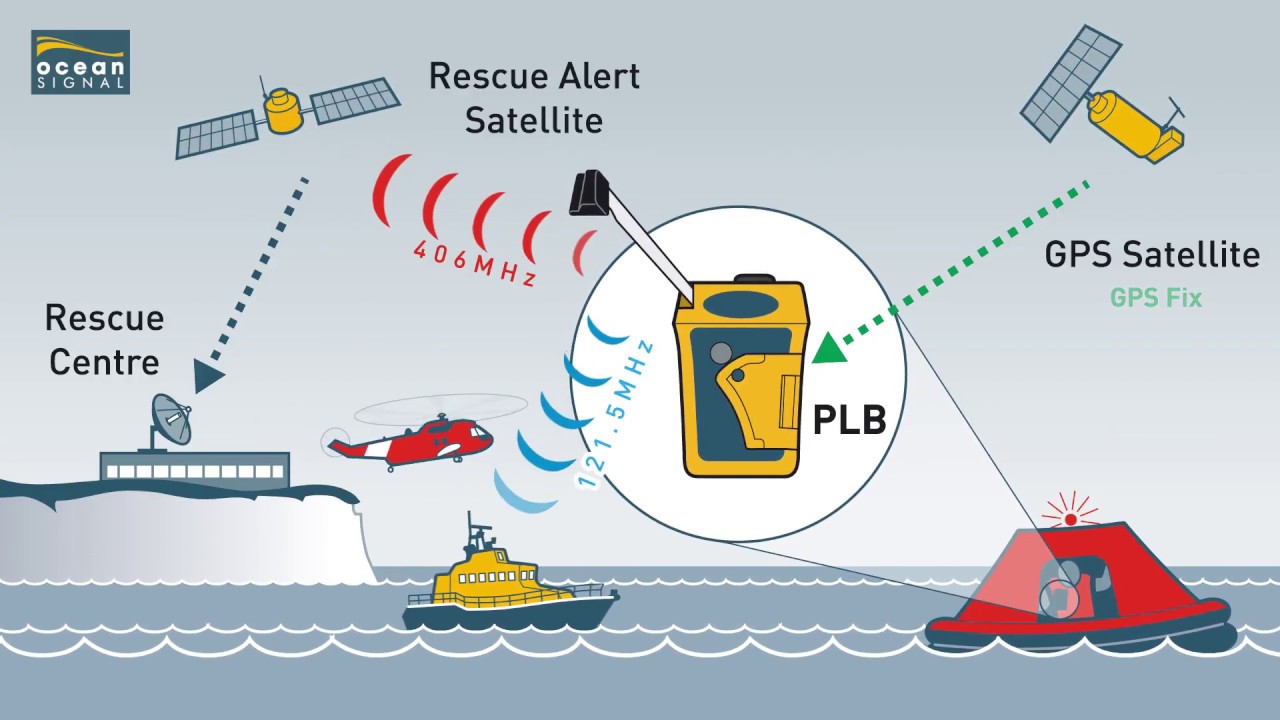
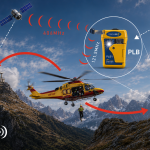
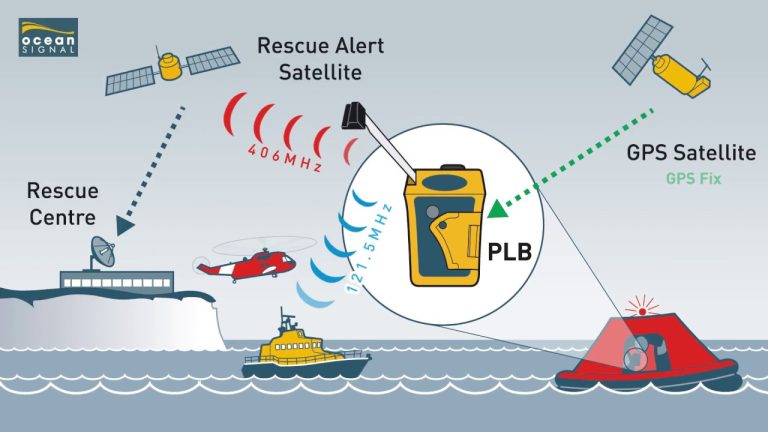
The built-in GPS receiver determines the beacon’s position so available location data can be encoded into the distress message.
406 MHz distress alert
The beacon transmits its unique identity and available GPS position. Cospas-Sarsat satellites and ground stations pass the alert to the appropriate rescue coordination authorities.
121.5 MHz homing
Once rescue assets are in the area, the homing transmission helps equipped Search & Rescue teams close in on the beacon.
Learn more about 406 MHz alerting, registration, GPS and homing in the Ocean Signal guide to how Personal Locator Beacons work.
Compare Ocean Signal Personal Locator Beacons
PLB1 or PLB3: which suits you?
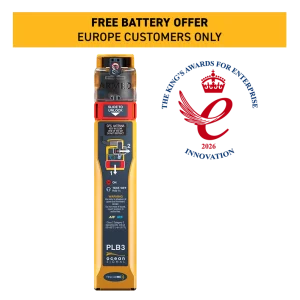
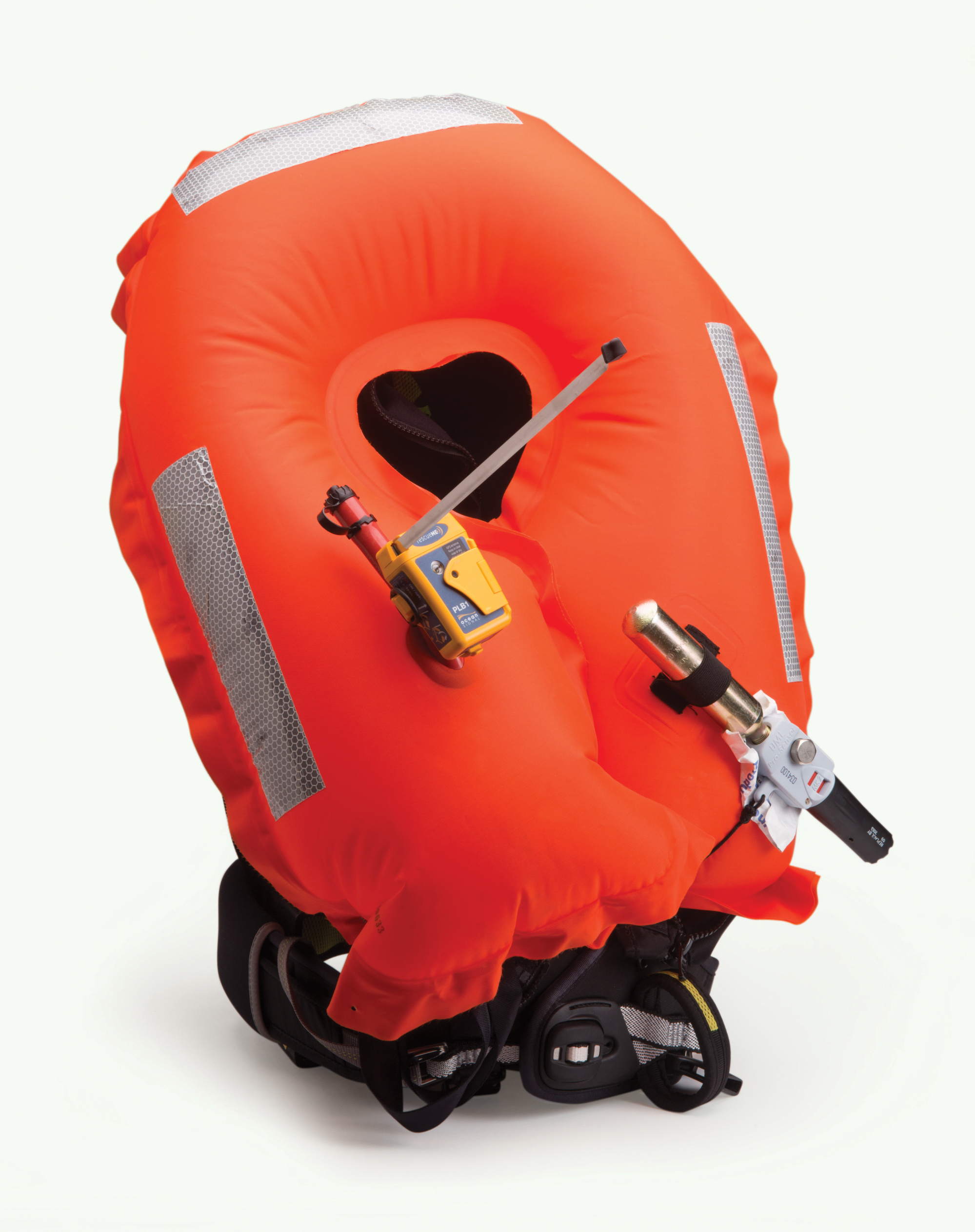
Choose PLB1 for compact, subscription-free satellite distress alerting. Choose PLB3 when you also want AIS alerts to nearby equipped vessels, Return Link Service (RLS) acknowledgement and compatible lifejacket integration.
| Compare features | rescueME PLB1 Compact dedicated PLB |
rescueME PLB3 AIS + RLS + NFC |
|---|---|---|
| No subscription required | Yes | Yes |
| 406 MHz satellite alert | Yes | Yes |
| 121.5 MHz homing | Yes | Yes |
| Positioning | GPS | GPS + Galileo + GLONASS |
| AIS local alert | No | Yes |
| RLS return link | No | Yes |
| NFC app status | No | Yes |
| Strobe | High-intensity visible | Visible + infrared |
| Activation | Manual | Manual / lifejacket¹ |
| Battery interval | 7 years | Up to 6 years² |
| Operation at −20°C | 24+ hours | 24+ hours |
¹ PLB3 supports semi-automatic activation when correctly installed in a compatible inflatable lifejacket. ² Replace its battery 6 years from manufacture or 5 years after entering service, whichever comes first. For both models, follow the battery date and replacement instructions in the manual.
RLS confirms that the distress alert has been received and the beacon’s location determined. It does not confirm that a rescue has been dispatched. Follow the relevant manual for lifejacket installation, testing and activation.
Ocean Signal customer feedback
Trusted by Ocean Signal customers
Feedback about Ocean Signal products and service. This combined review feed covers the brand, including products other than the PLB1.
Ready for the journey ahead
Simple to own. Important to prepare.
Choose the correct country coding, register your beacon and learn the operating procedure before your first trip.
Free country programming
Buy directly from Ocean Signal and country programming is included at no extra charge. Confirm the coding you need when ordering; programming and owner registration are separate steps.
Register before you go
Register the beacon’s unique identity with the authority for its country coding. Keep your contact details, emergency contacts and trip information current.
Know it before you need it
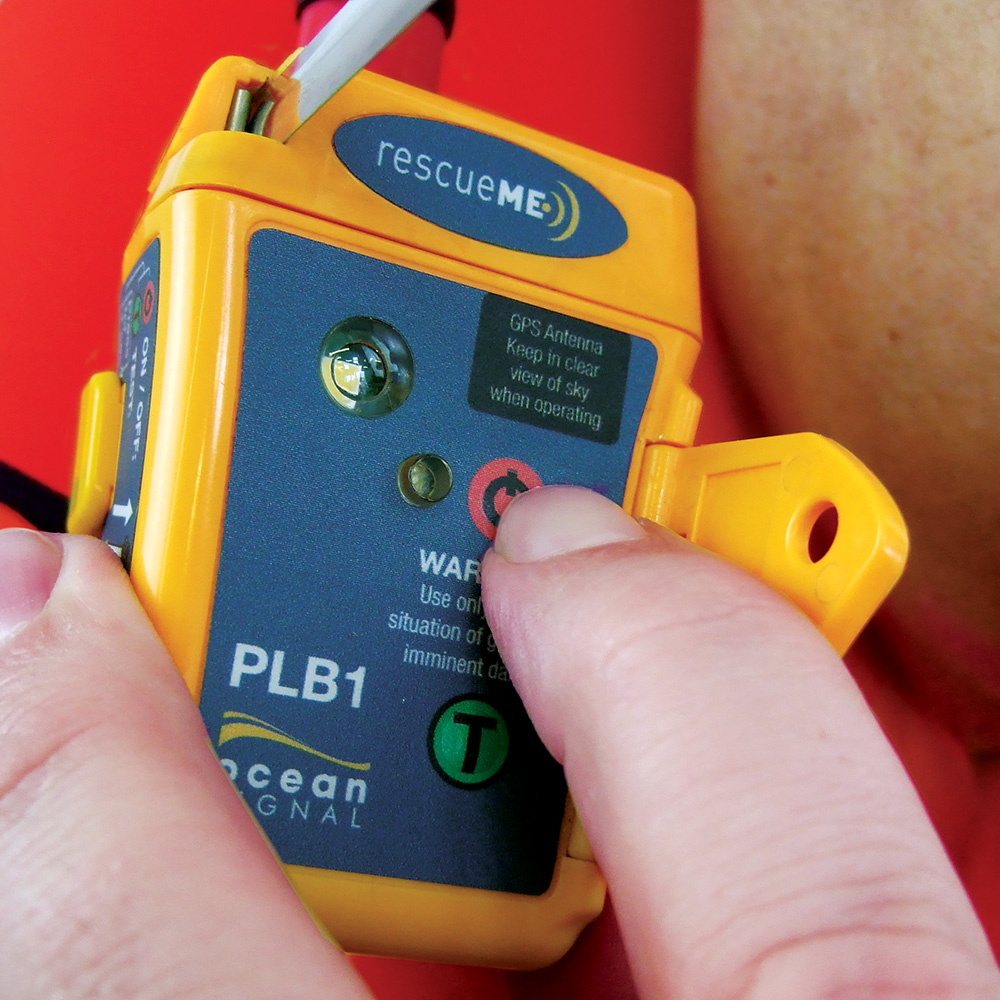
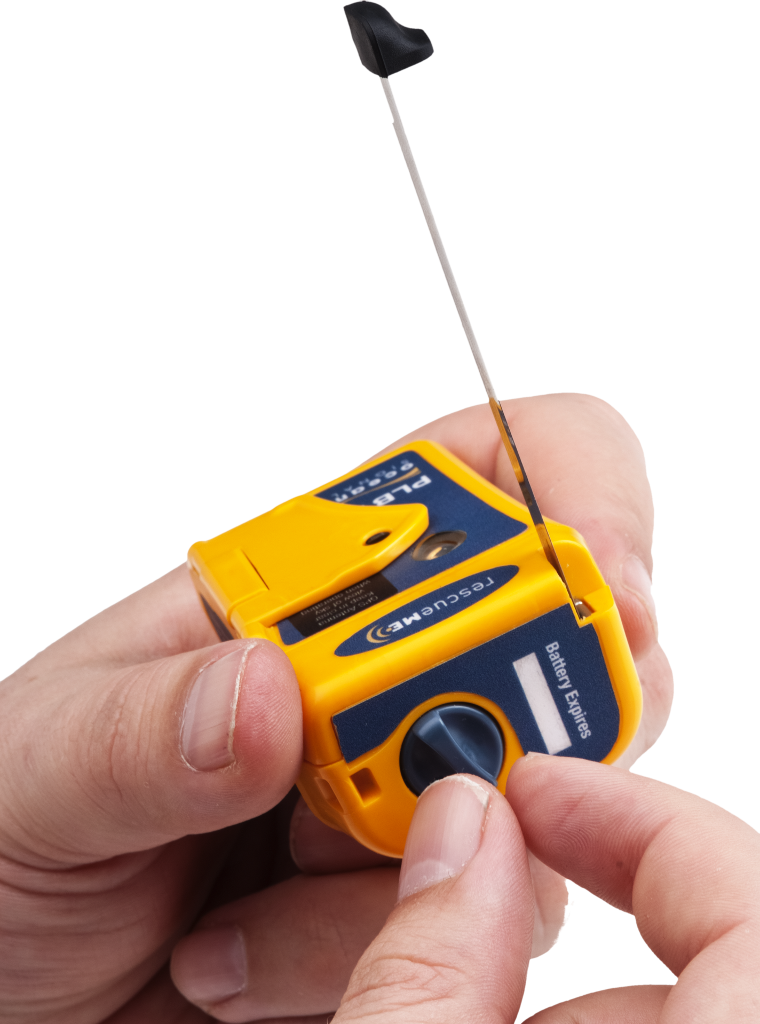
Read the manual, practise locating the controls and use only the specified self-test procedure. Secure the lanyard and check the battery replacement date before travelling.
Compare, register and carry with confidence
Your rescueME PLB1 questions, answered
Short answer: PLB1 is a dedicated 406 MHz Cospas-Sarsat distress beacon. Satellite-capable phones and communicators can add valuable two-way communication, but use different commercial satellite services and device requirements. Register PLB1 with the official 406 MHz authority for its country coding.
Choosing your beacon
Buying and getting ready
Does my beacon’s HEX ID contain zero or the letter O?
Can I use a PLB1 in another country?
A correctly coded and registered PLB1 can be activated worldwide through Cospas-Sarsat. Keep emergency contacts informed of your travel plans and check the destination’s rules for beacon registration, country coding, maritime or aviation recognition and required safety equipment before relying on it.
Can I take the PLB1 in hand luggage or checked baggage?
Using and maintaining PLB1
How accurately can rescuers locate a PLB1?
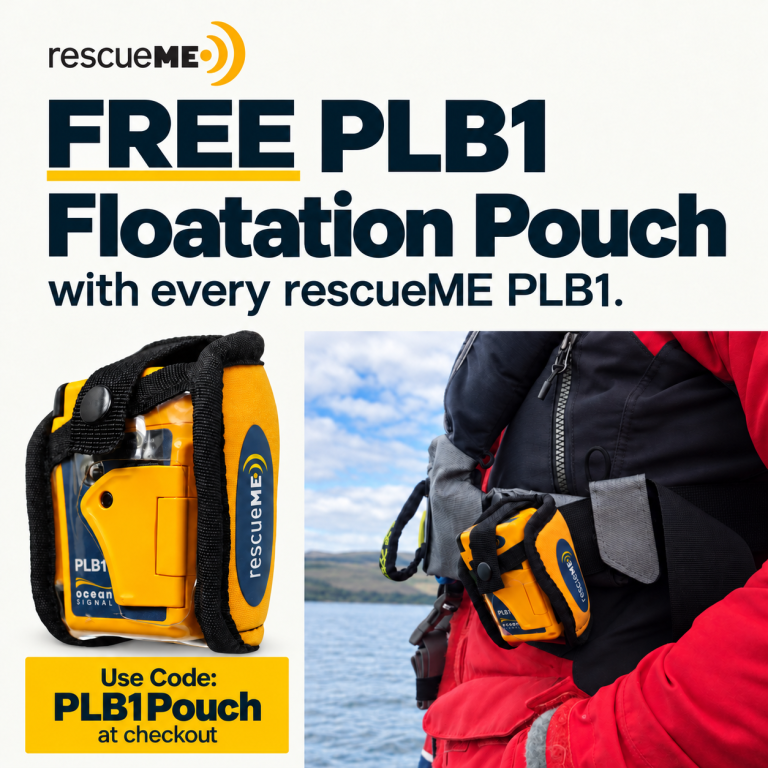
Why do Australian and New Zealand PLB1s have an attached pouch?
How long does the PLB1 battery last—and can I replace it?
What do repeated green or amber flashes mean in the beacon self-test?
What should I do with a PLB1 that is being permanently retired?
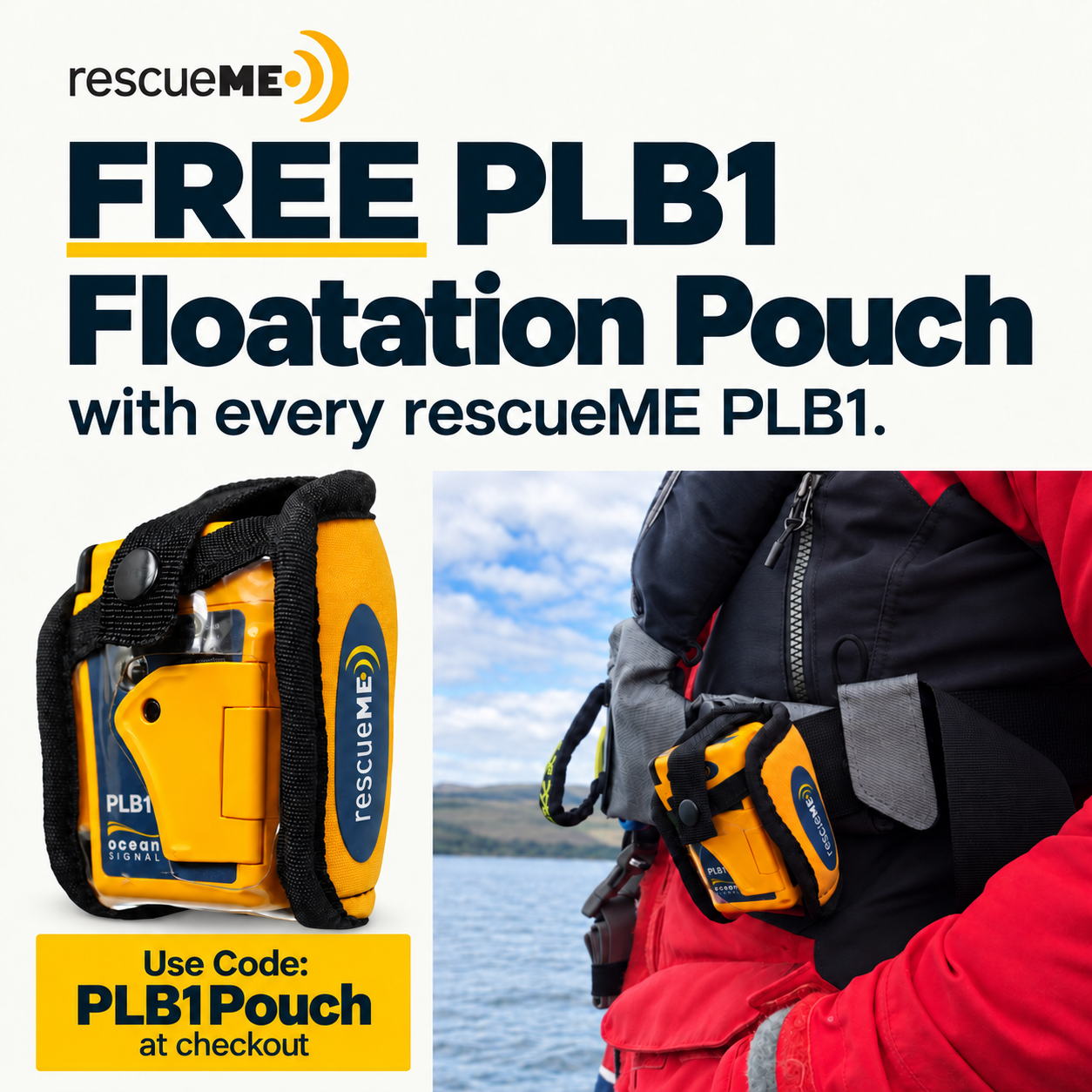
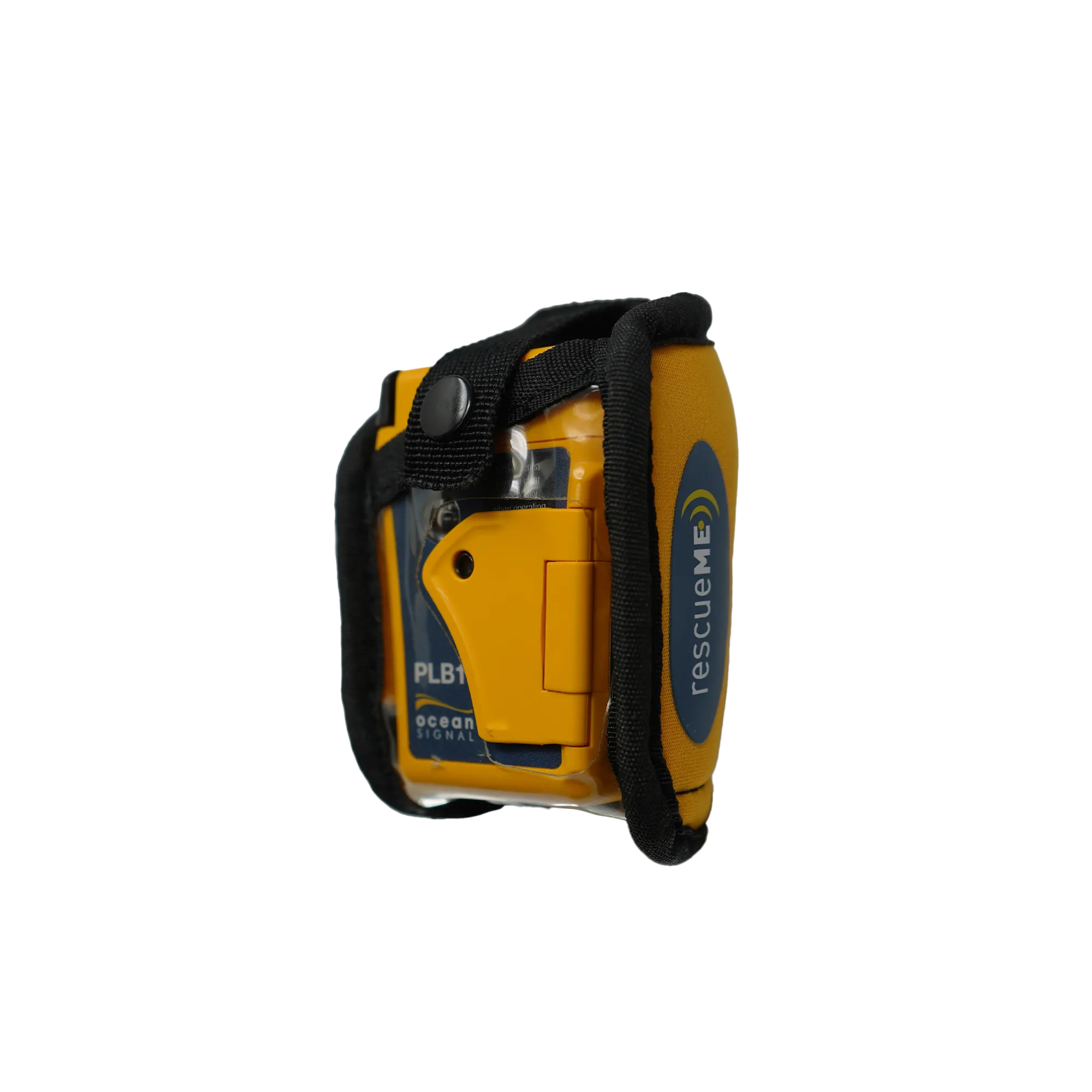
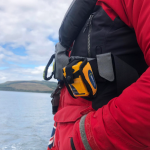
Important: the standard PLB1 does not float without the flotation pouch, and a personal beacon does not automatically replace any EPIRB, ELT or other equipment required for your vessel, aircraft or activity.
406MHz Satellite Transmitter
Frequency
406.040MHz
Tolerance
±1kHz
Output Power
5watts (nominal)
Stability
2ppb/100ms
Modulation
Phase ±1.1radians (peak)
Emission Designator
16K0G1D
Encoding
Bi-phase L
Data Rate
400bps
Duration
520ms
121.5MHz Homing Beacon
Frequency
121.5MHz
Stability
±50ppm
Output Power
25-100mW PERP
Modulation
Swept Tone AM
Emission Designator
3K20A3X
Modulation Depth
85-100%
Sweep Range
400Hz – 1300Hz
Low Duty Cycle Strobe Light
Light Type
High intensity LED
Output Power
~1candela
GPS Receiver
Sensitivity Cold Start
-148dBm
Sensitivity Re-acquisition
-163dBm
Satellites channels tracked
60
GPS Antenna
Microstrip patch
Battery
Type
Lithium Primary
Chemistry
Manganese Dioxide (LiMnO2)
Operational Life
>24hours @ -20°C
Environmental
Operating Temperature Range
-20°C to +55°C
Storage Temperature Range
-30°C to +70°C
Waterproof
15metres at +20°C
Drop
1metre @ -30°C
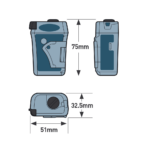
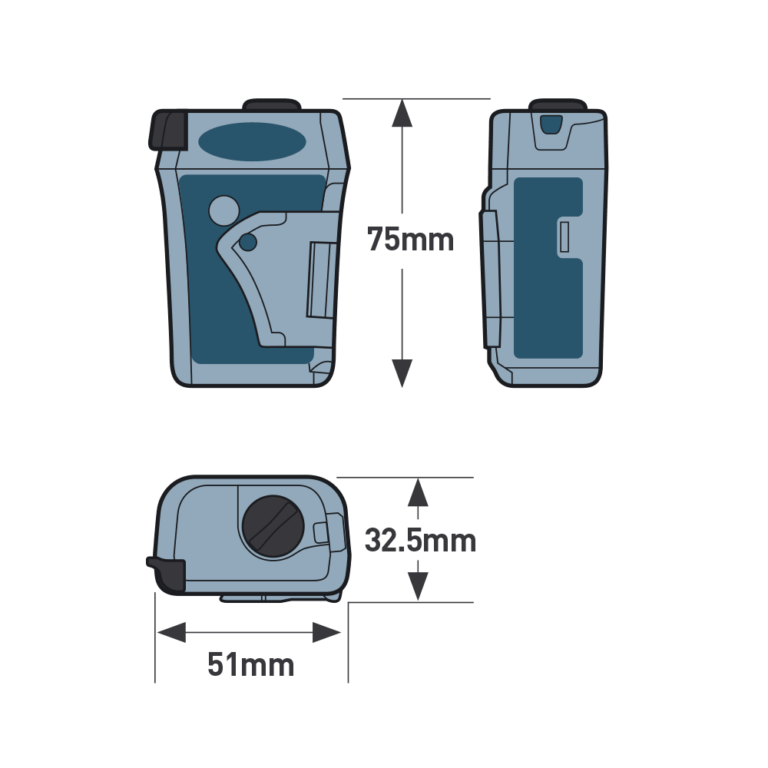
Dimensions
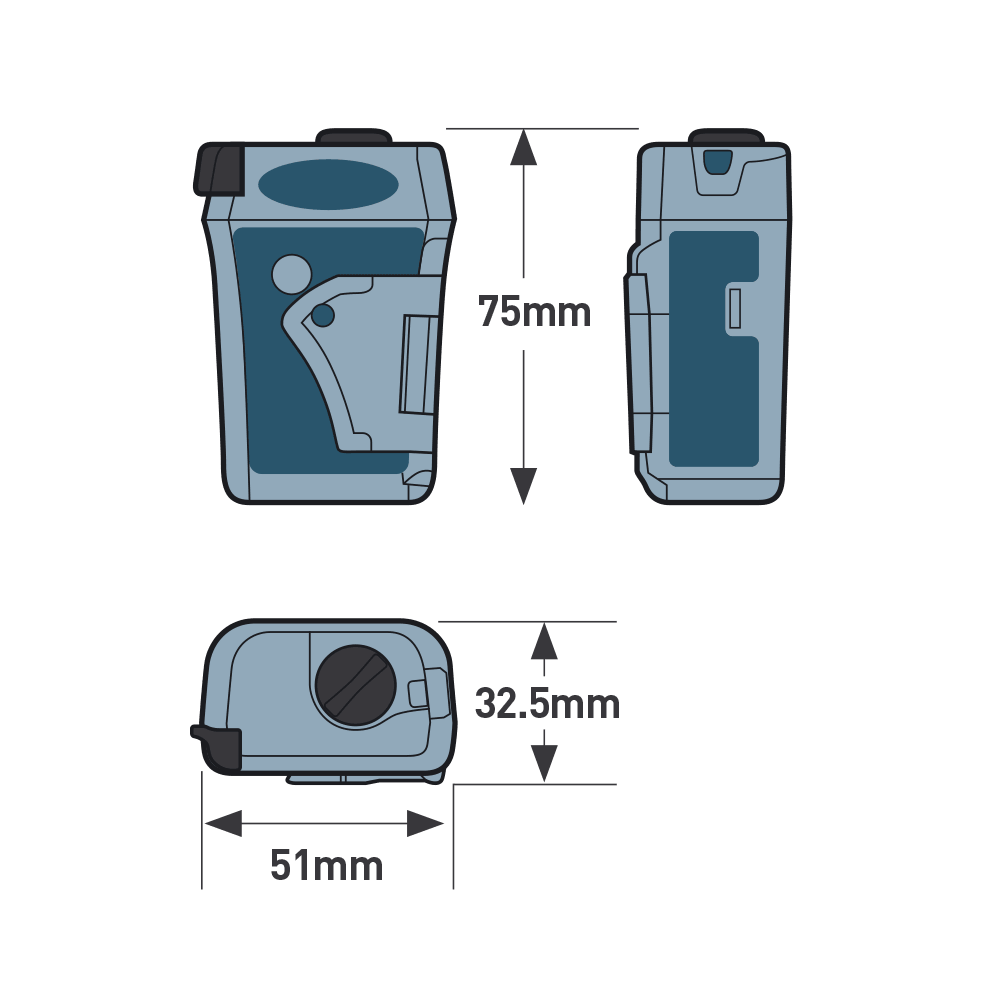
Height
77mm (3.0")
Width
51mm (2.1")
Depth
32.5mm (1.3")
Weight
116g
Standards
Cospas-Sarsat
T.001 / T.007
ETSI
EN302 152
RTCM
SC11010
FCC
CFR47 part 95K
Manuals
Certificates
PLB1 RED Declaration of Conformity
Download
PLB1 FCC approval grant
Download
PLB1 RED Type Examination Certificate
Download
PLB1 Brazilian Certificate of Equipment Authorization
Download
PLB1 Cospas Sarsat certificate – TAC283
Download
PLB1 Cospas Sarsat certificate – TAC299
Download
PLB1 Cospas Sarsat Certificate – TAC321
Download
PLB1 Cospas Sarsat Certificate – TAC342
Download
PLB1 Cospas Sarsat Certificate – TAC348
Download
PLB1 Cospas Sarsat Certificate – TAC359
Download
PLB1 Cospas Sarsat Certificate – TAC376
Download
PLB1 Cospas Sarsat Certificate – TAC399 (latest)
Download
PLB1 Cospas Sarsat Certificate – TAC-415
Download
PLB1 Battery LB7P Certificate Of Conformity
Download
PLB1 Cospas Sarsat Certificate – TAC421 (Latest)
Download
Product Safety Data Sheet
For the updated Global Limited Warranty policy, please see: https://oceansignal.com/ecomm-policies/
Extended Warranty
ENTER YOUR PRODUCT DETAILS TO GAIN THE EXTENDED WARRANTY PERIOD. NOTE: The product comes with a 2-year warranty which can be extended by 3-years as referenced below.
Sign in or create an Ocean Signal account: https://oceansignal.com/login/
Once in your Account area, navigate to your Personal Products page: https://oceansignal.com/my-account/personal-products/
Select ‘Activate New Product Warranty’ and entering your beacon’s details – once saved, the warranty policy of the product will then be extended by an additional 3-Years.
The purchase receipt must be provided when submitting a warranty claim.
When I register my EPIRB or PLB is the 0 in the 15 digit HEX ID (UIN) the number 0, or the letter O?
The HEX ID consists of the numbers from 0 to 9 and the letters from A to F only. The character 0 is the number zero.
If I register my PLB in one country, can I use it in another country?
Yes, you can use your PLB anywhere in the World. When you register your PLB, make sure you give emergency contacts who will know where you are if you need to activate the PLB in an emergency. This aids the rescue authorities to make sure it is a real alert and will speed up your rescue.
What is the location accuracy of the rescueME PLB1?
The Cospas Sarsat system uses two methods of locating a beacon:
- The satellite system is designed to locate your beacon using the transmission alone. The accuracy of this fix is approximately a 5 nautical mile radius, but is typically much better.
- The rescueME PLB1 has a built in GPS receiver which is used to encode the position in the transmission. When the GPS has a reliable fix, usually within a few minutes, the accuracy is typically within 100 metres of your actual position can be achieved.
The combination of these two methods gives the rescue services the quickest and most accurate position.
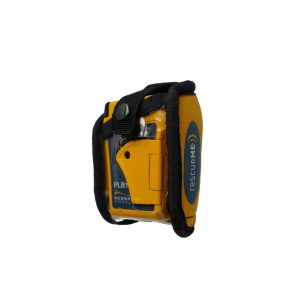
Why is the pouch permanently attached to the PLB1 (Aus/NZ only)?
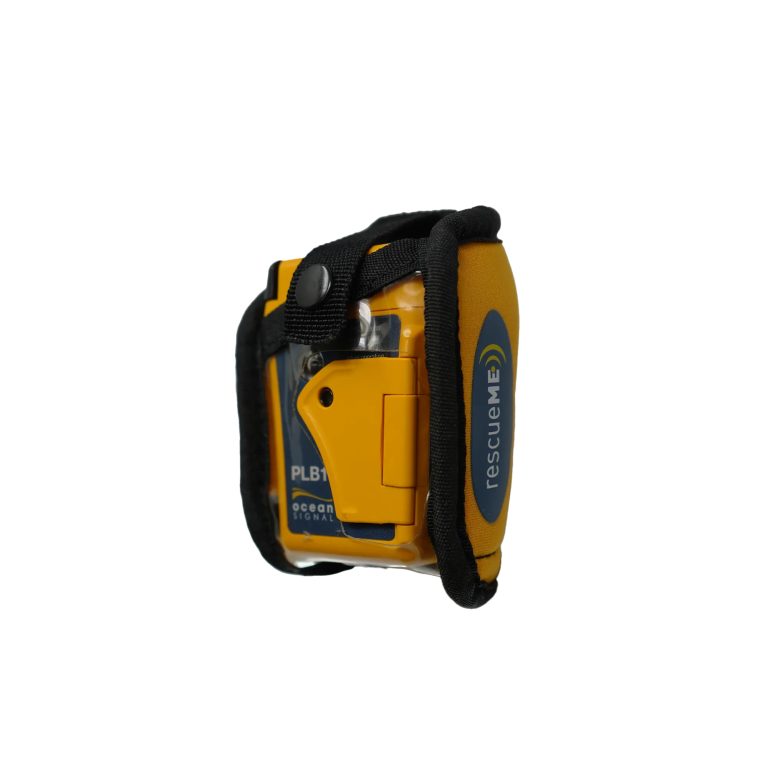
For Australia and New Zealand the regulations require that the PLB must float. Because of the small size of the rescueME PLB1, the pouch is used to provide buoyancy and must be permanently attached when supplied in those countries.
If you require to remove the pouch for land based usage, cut the black cord leaving enough length to make a loop to re-attach the pouch or to tie a separate lanyard to.
When testing the PLB, I get two green flashes. What does this mean?
The test indication is repeated. So for a battery which has been used for less than one hour, you will see single green flash, which is repeated after a short pause.
If the battery has been used for over one hour, the indicator will change to an amber (orange) colour. Over two hours and the indicator will flash amber two or more times in a close group, which will be repeated after a short pause.
Carrying a PLB on aircraft as luggage.
The Ocean Signal rescueME PLB1 can be safely carried on board a passenger aircraft as either checked in or carry on luggage under section 2.3.5.9 of the IATA Dangerous Goods Regulations. The lithium metal battery in the rescueME PLB1 contains less than 2g of lithium and have been tested in accordance with 38.3 of the UN Manual of Tests. Precautions should be taken to prevent accidental activation if placed in checked in baggage.
Is the battery replaceable on the PLB1?
Yes, the battery will be replaceable after the expiry period or after the unit has been activated. The battery is not user replaceable and must be sent to an authorised service dealer for replacement. Please view our Dealer Locator to find a nearby authorised Battery Replacement Centre.
When should I replace my PLB1 battery
Under normal circumstances the battery in the PLB1 should be replaced before the expiry date marked on the unit.
If the unit has been activated in emergency or if the test indicator LED is flashing amber (orange) the battery must be replaced before it is used again to ensure the full 24 hours of operation in emergency.
The typical lifetime of the PLB1 is greater than 24 hours, but this is under defined conditions of storage and test usage. Do not assume that just because the activation was only for a short length of time the battery will not need exchanging.
Details of battery exchange in your region can be found by enquiring with your local distributor. Please see http://oceansignal.com/support/dealer-locator/ for information on our distributors.
Disposal of EPIRBs and PLBs
Care should be taken when disposing of your PLB or EPIRB when it is no longer required. False alerts from discarded beacons can cause rescue authorities to expend much time and effort in locating discarded EPIRBs or PLBs that have accidentally activated. Please ensure that care is taken to completely deactivate the beacon and advise the registration authority that the beacon is no longer in service.
It is recommended to remove the battery from the beacon by removing the case lid. Dispose of the battery in accordance with local waste regulations. Please note that Ocean Signal beacons are not user serviceable and removing the lid will invalidate the warranty.