












 |


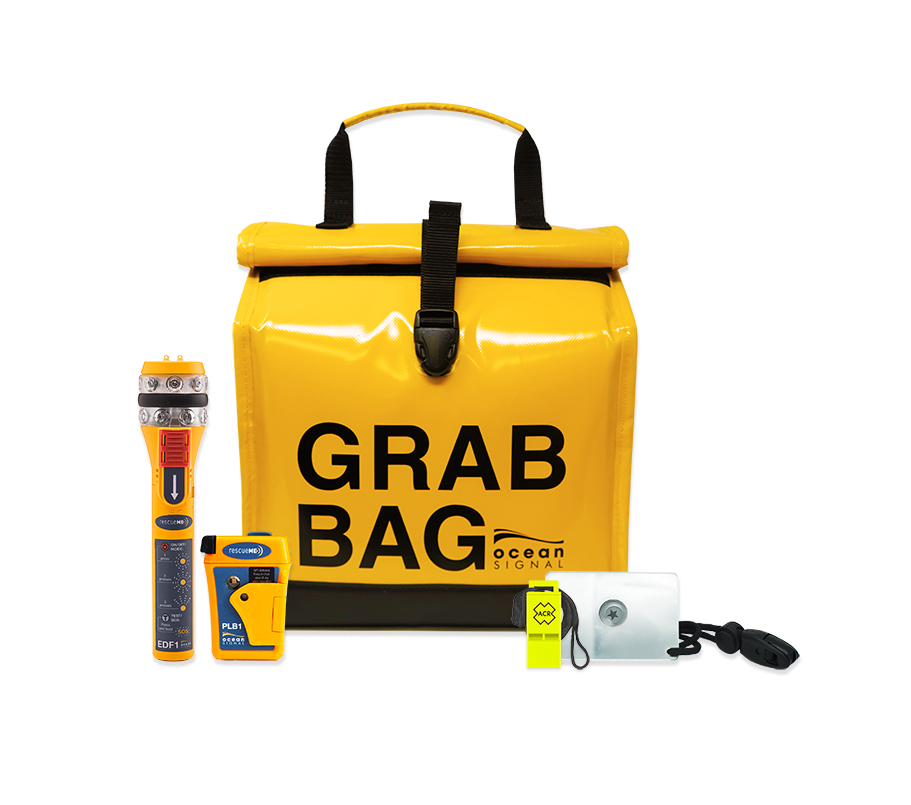
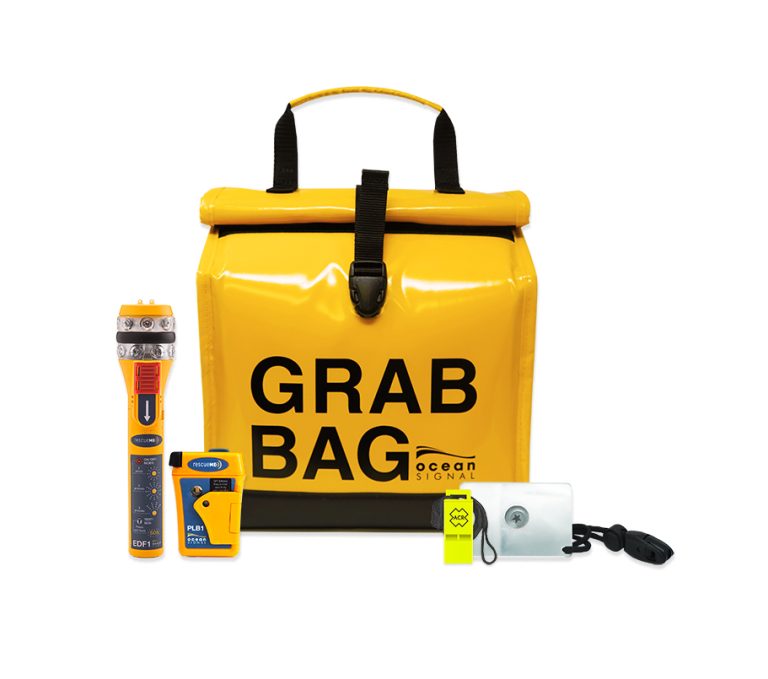
What’s in the PLB1 Sailing Safety Kit?
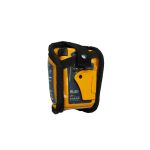
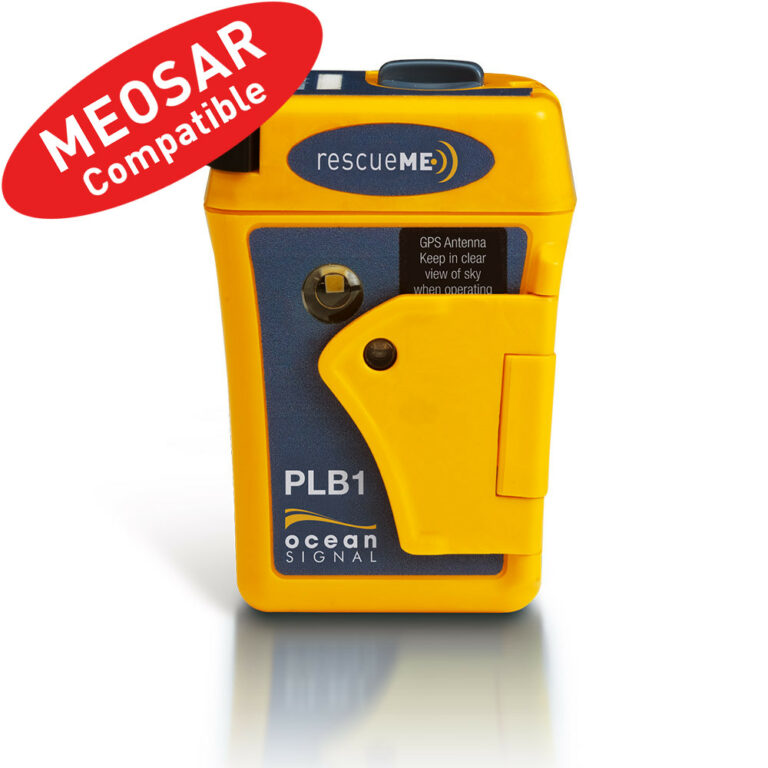
1 × rescueME PLB1
A personal locator beacon for one sailor to carry on deck.
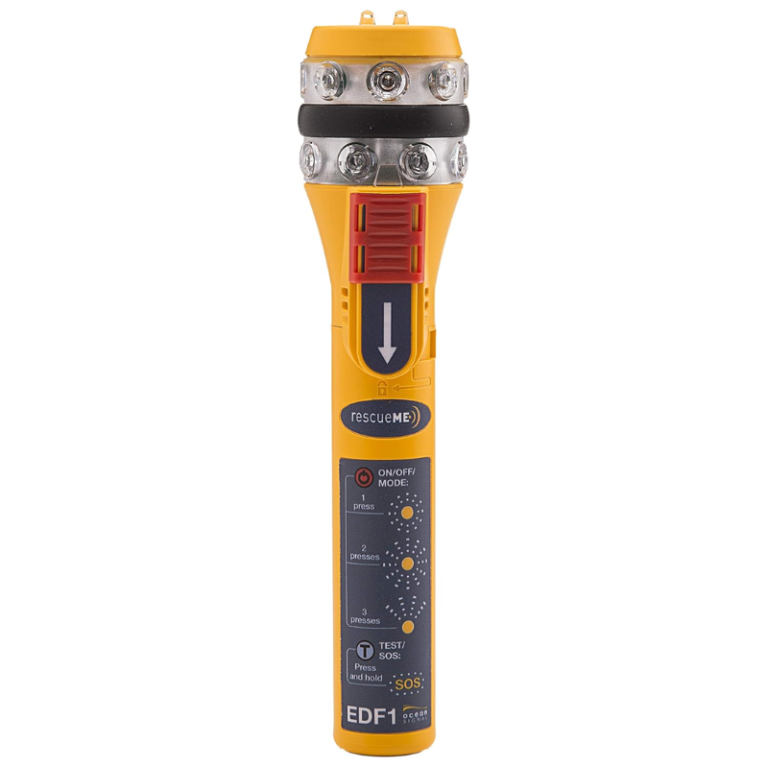
1 × rescueME EDF1
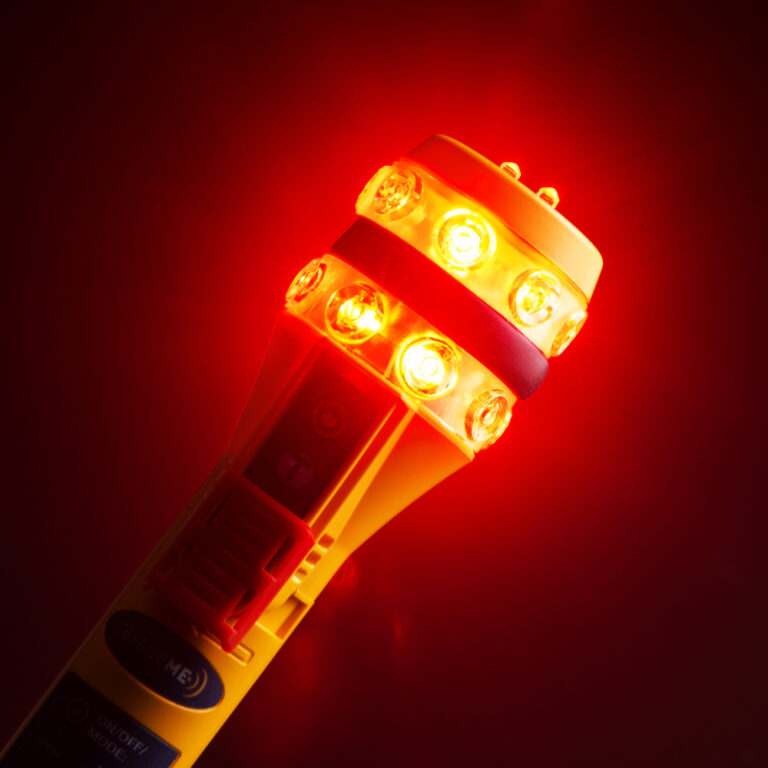
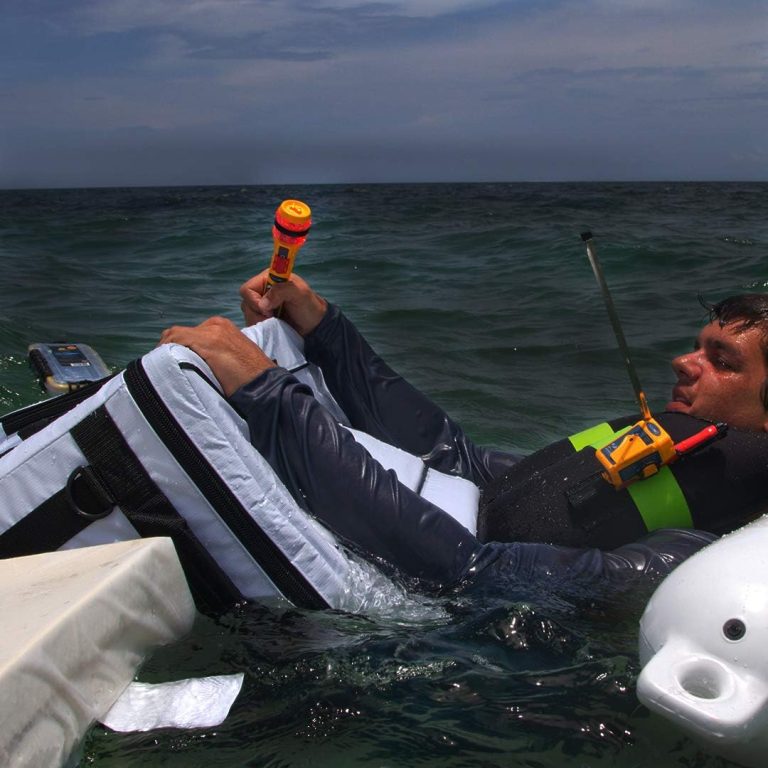
A handheld electronic distress flare for signalling to a vessel or aircraft in sight. See the EDF1 in use ↓
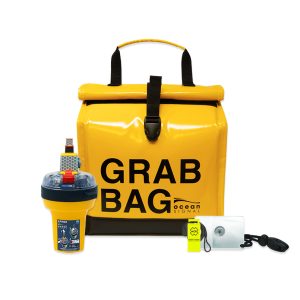
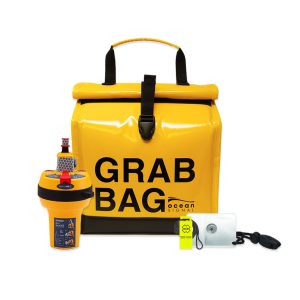
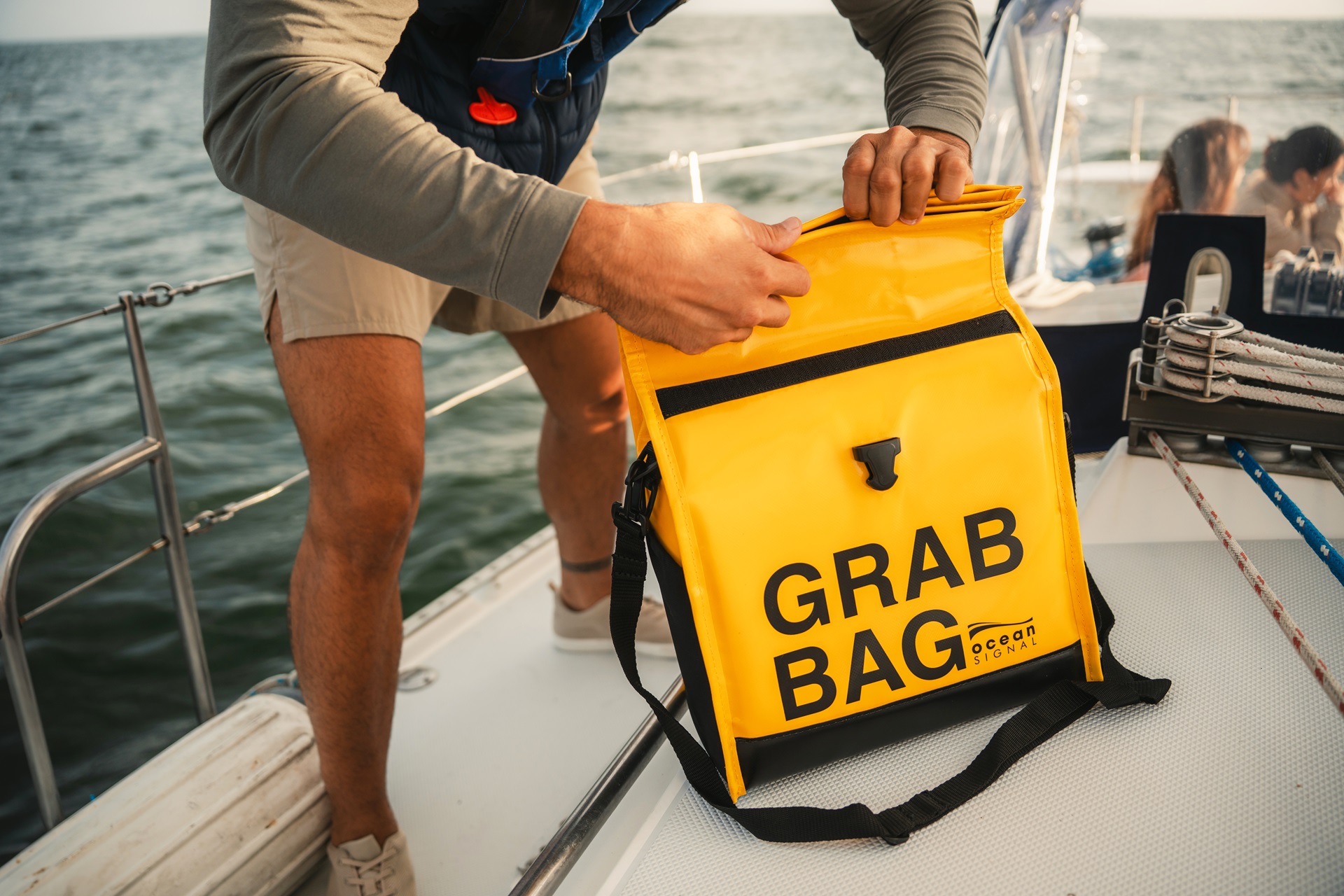
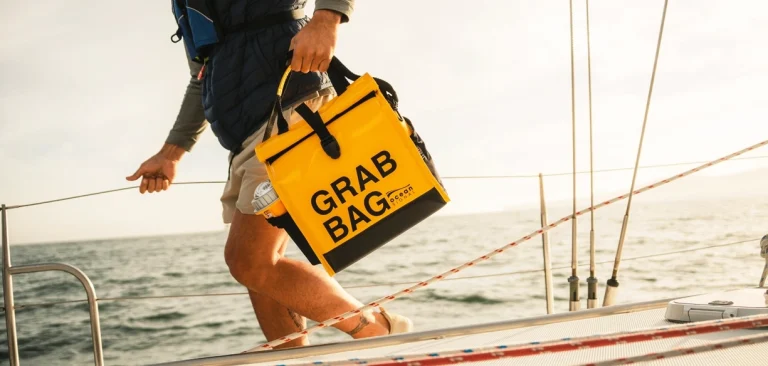
1 × Ocean Signal Grab Bag
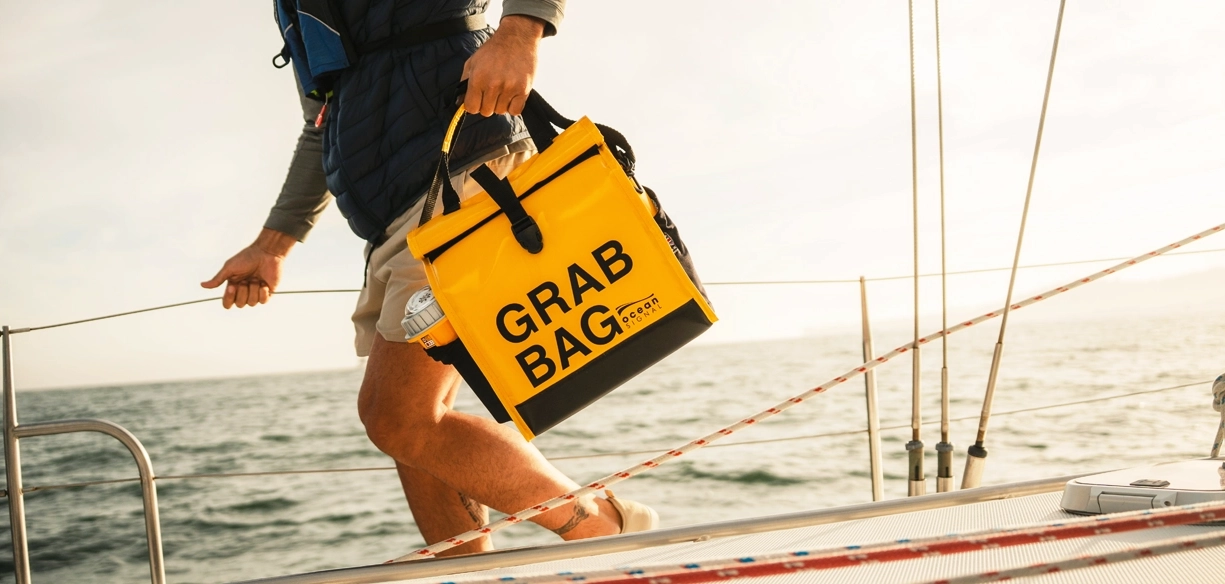
A buoyant, water-resistant 9-litre bag for the crew’s emergency kit.
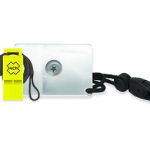
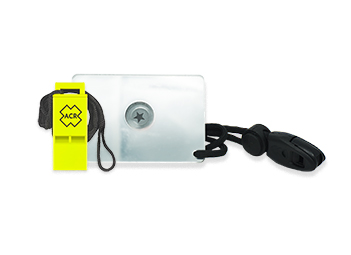
1 × ACR signal mirror and 1 × whistle
Use sunlight to catch a lookout’s eye or sound the whistle when someone is close.
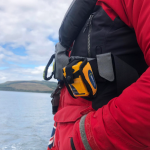
On your lifejacket
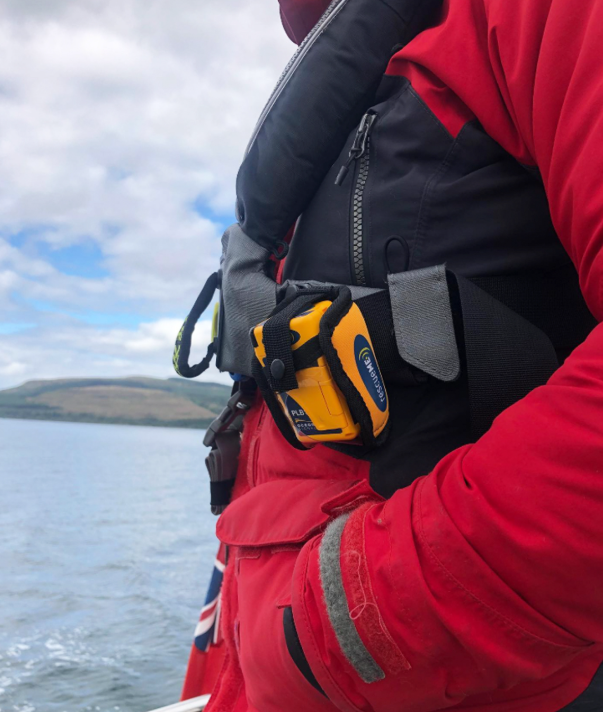
A beacon you can reach from the water.
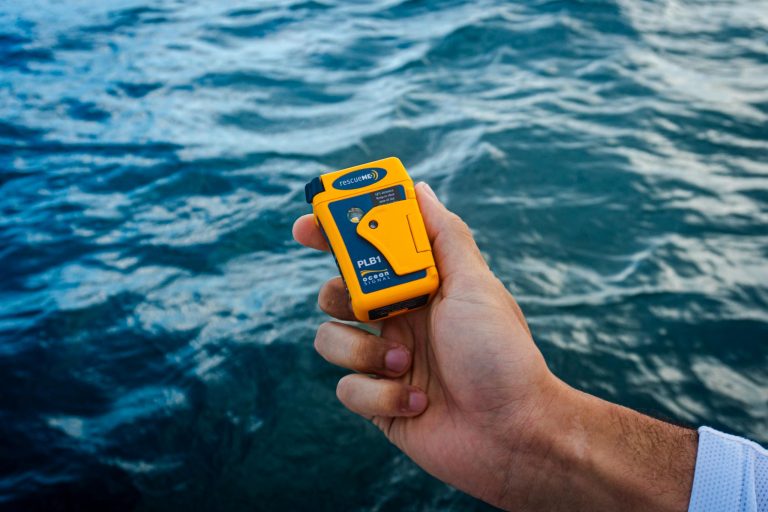
When you go forward to change a sail or take the tender ashore, the PLB1 can go with you. Its body is just 76 mm tall. Secure the lanyard to your person and follow your lifejacket manufacturer’s fitting instructions.
76 mm
Beacon body height
7 years
Battery replacement interval
15 m
Waterproof depth
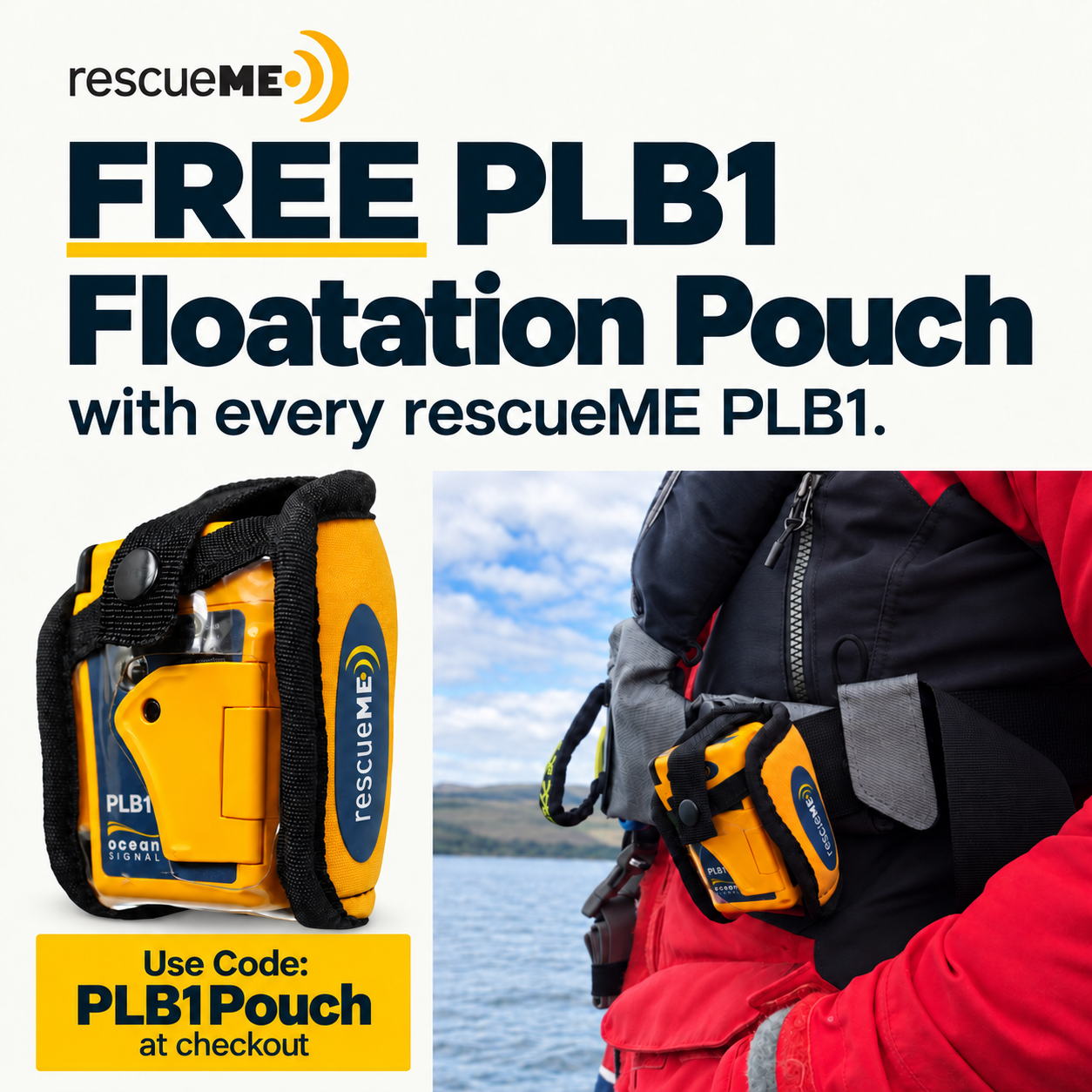
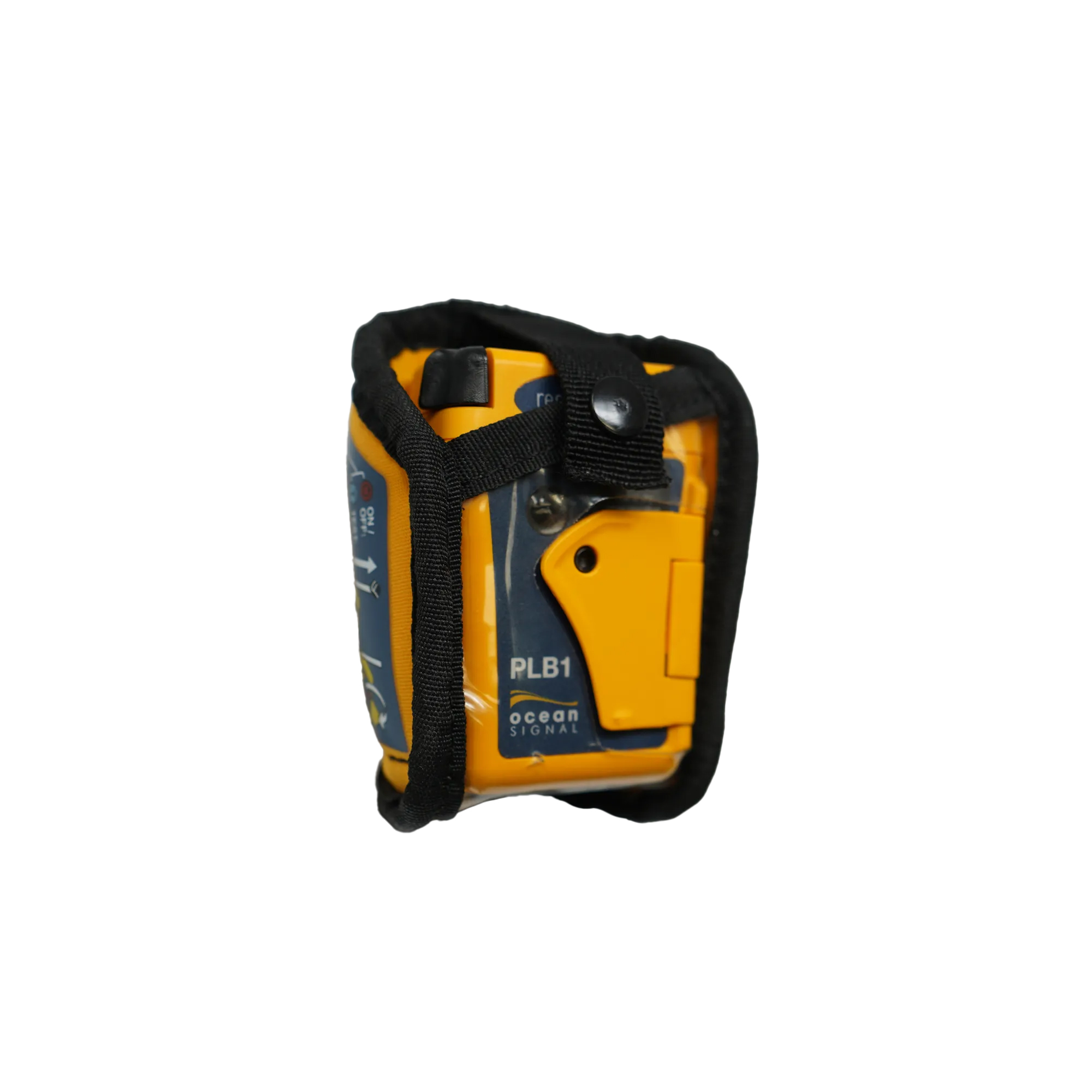
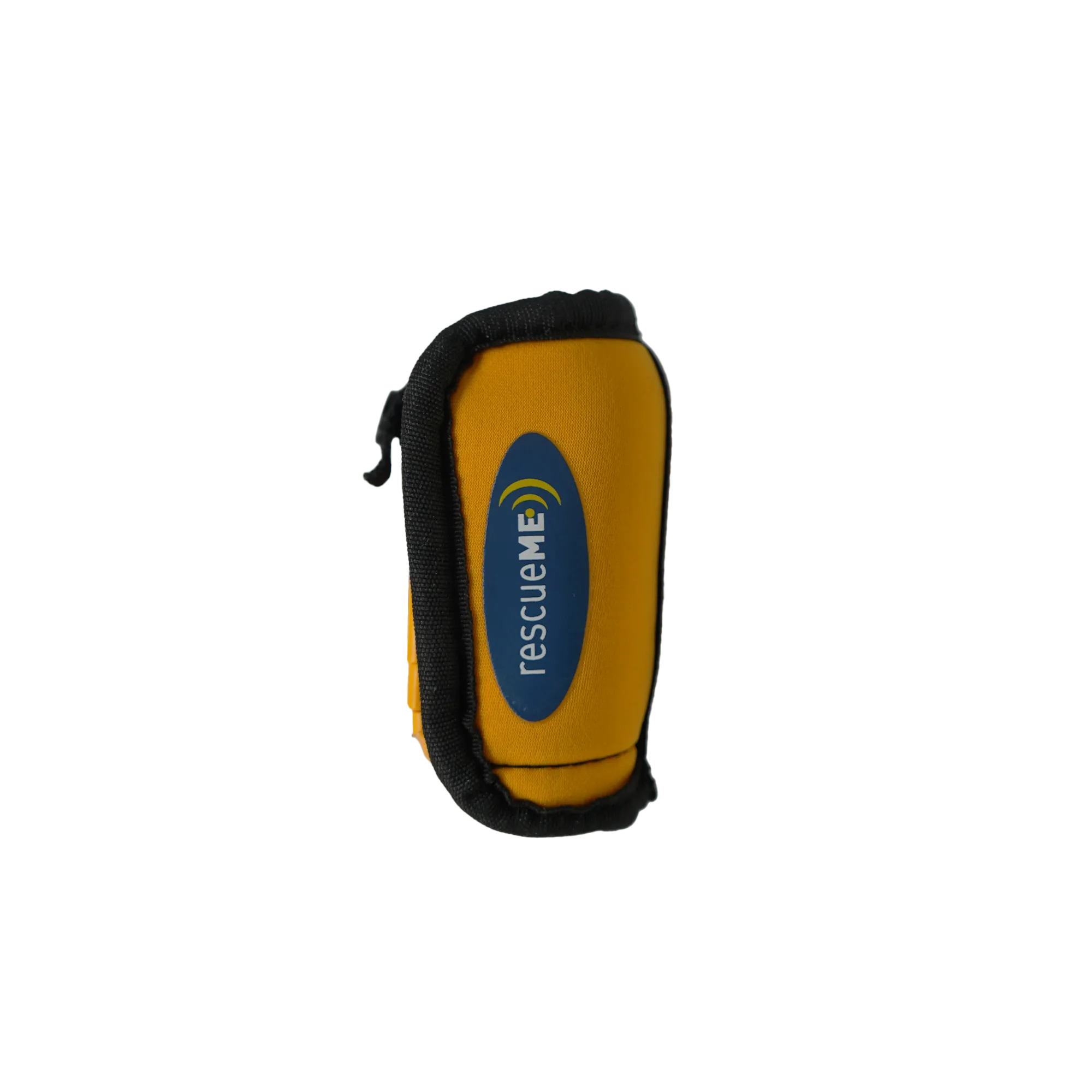
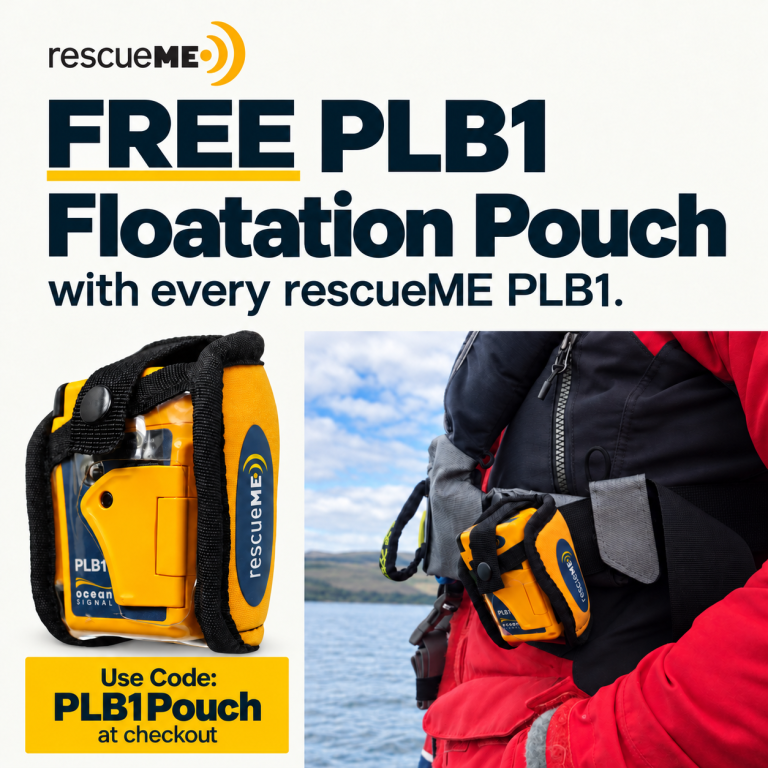
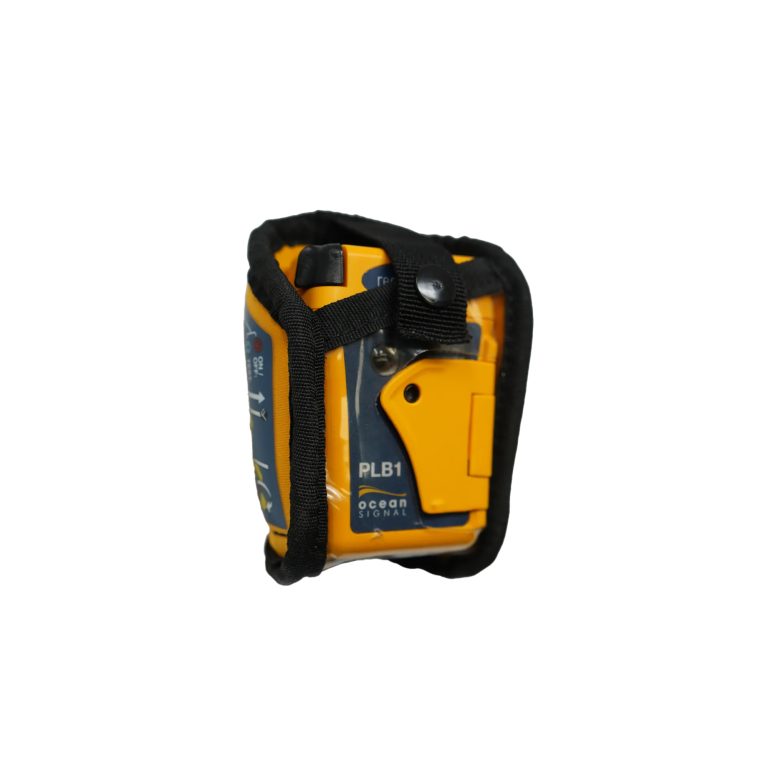
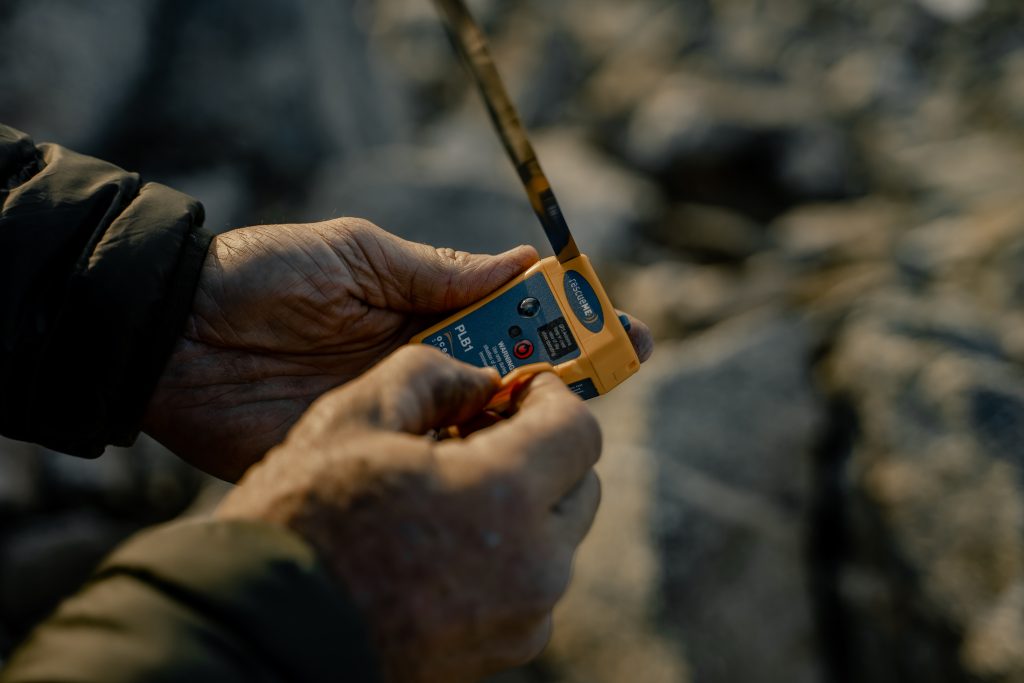
The PLB1 is manually activated. In the water, keep it tethered, support it clear of the surface with the antenna vertical, and keep the GPS antenna unobstructed. An optional flotation pouch adds buoyancy. You still need to support the beacon while it transmits.
Satellite distress alerting
How the PLB1 helps rescuers find you.
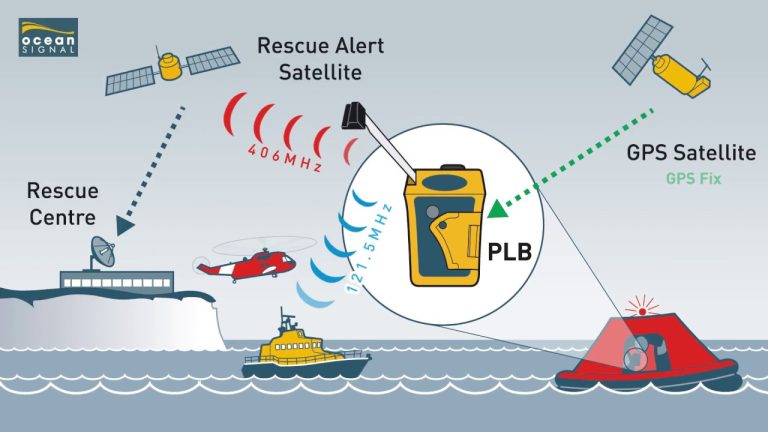
Raise the alarm
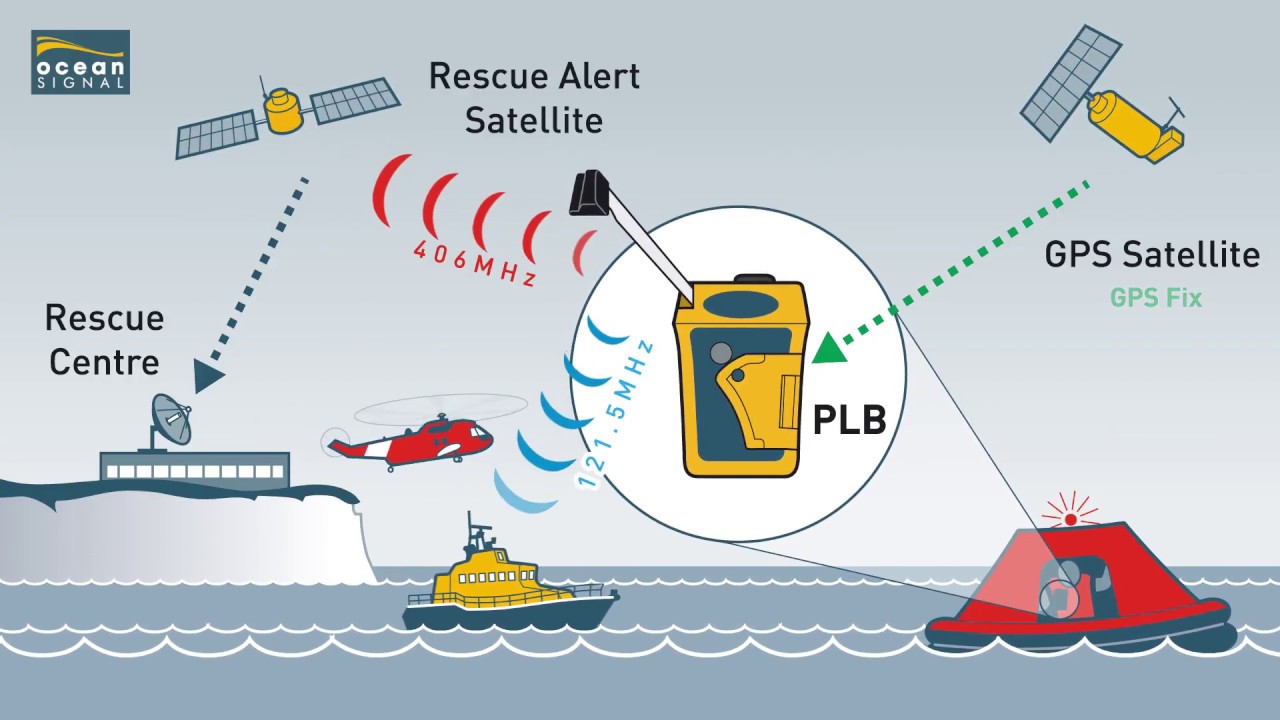
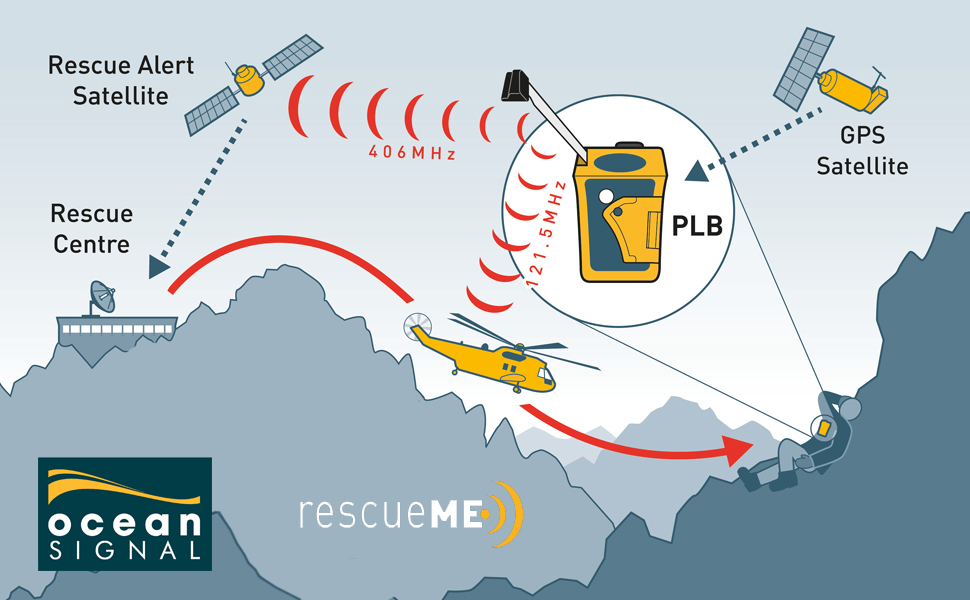
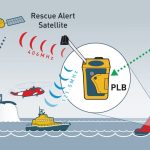
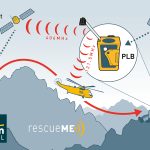
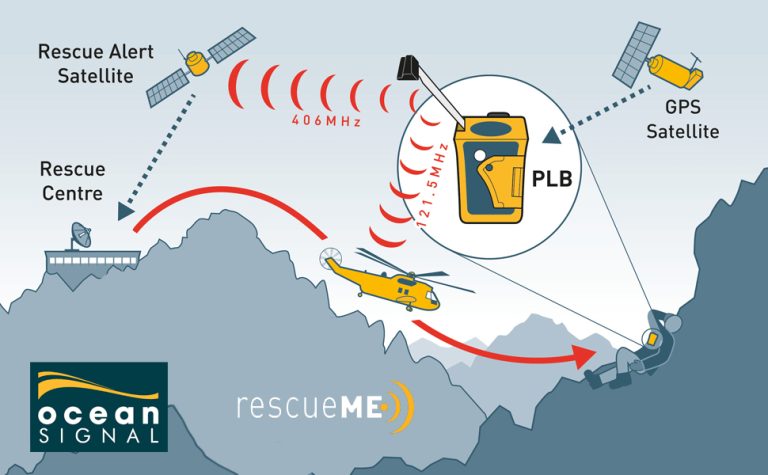
In grave and imminent danger, activating the PLB1 sends a 406 MHz alert through the Cospas-Sarsat satellite network to search and rescue authorities.
Pass on your position
The alert identifies your beacon. Once the built-in GPS has a fix, the PLB1 includes that position in its distress message.
Guide the final approach
Equipped rescue crews can home in on the 121.5 MHz signal. A flashing white strobe gives them a visual cue as they approach.
No mobile signal or subscription required. The PLB1 continues transmitting for more than 24 hours at −20°C with a battery within its replacement date.
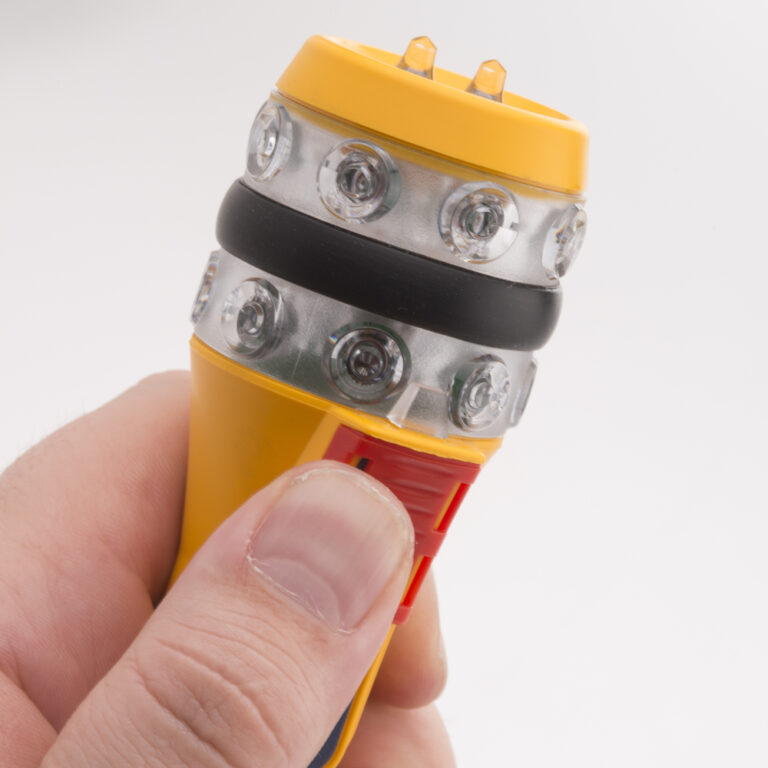
rescueME EDF1 electronic distress flare
Give rescuers a light to steer towards.
From a low liferaft, you may see a searchlight before its crew spots you. The PLB1 raises the satellite alert. The handheld EDF1 gives an approaching boat or helicopter a flashing red light to look for.

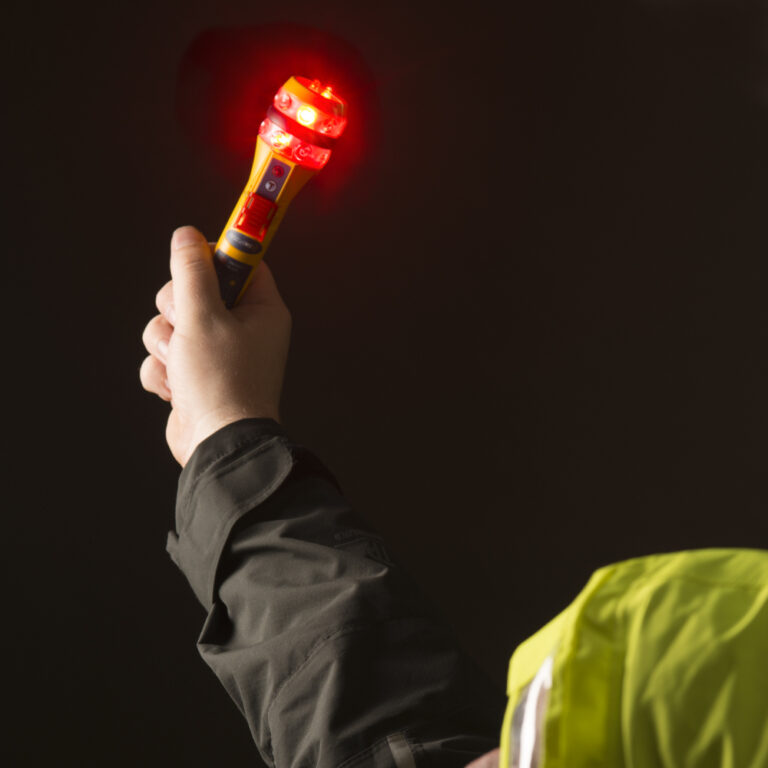
360° coverage
The LEDs cast light around the horizon and upwards towards aircraft. In favourable conditions the signal can be seen from up to seven miles away.
Up to 6 hours
Economy mode gives you the longest signalling time. Bright and Ultra produce a stronger flash and use the battery faster.
A recognisable SOS
The EDF1 can flash SOS in Morse code in any of its four modes. Its built-in test lets you check the flare before a passage.
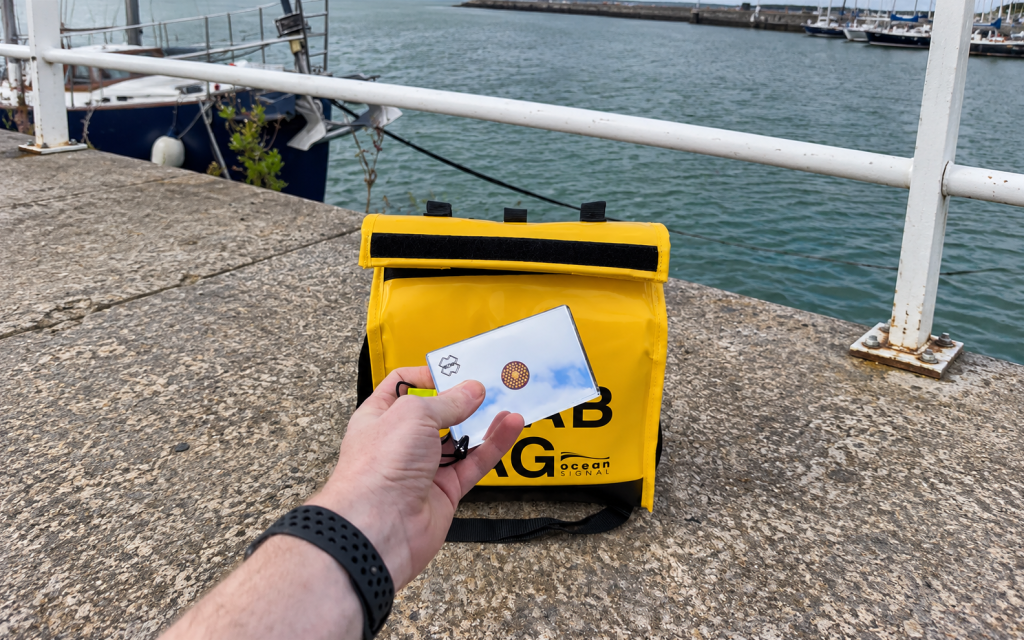
Signal mirror and whistle
In daylight, use the mirror to direct a flash of sunlight towards a passing boat or aircraft. When a recovery boat is close, the whistle can help its crew pick you out. Both stow in the grab bag and work without batteries.
Ready for the liferaft
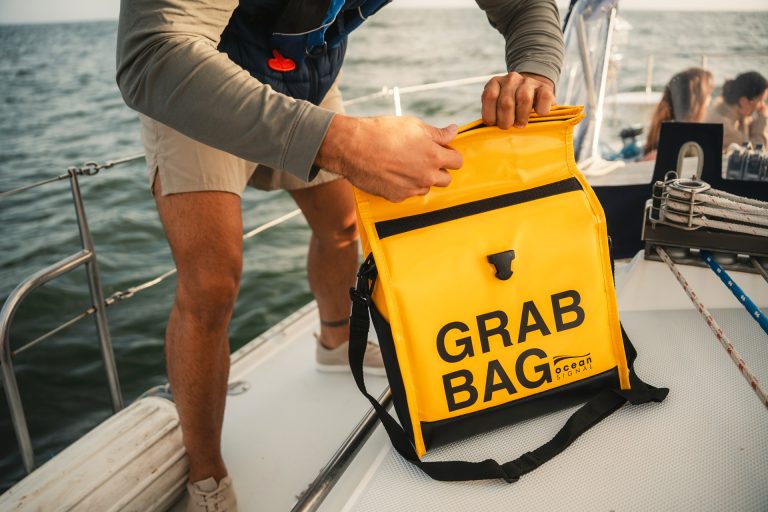
One grab bag the whole crew can find.
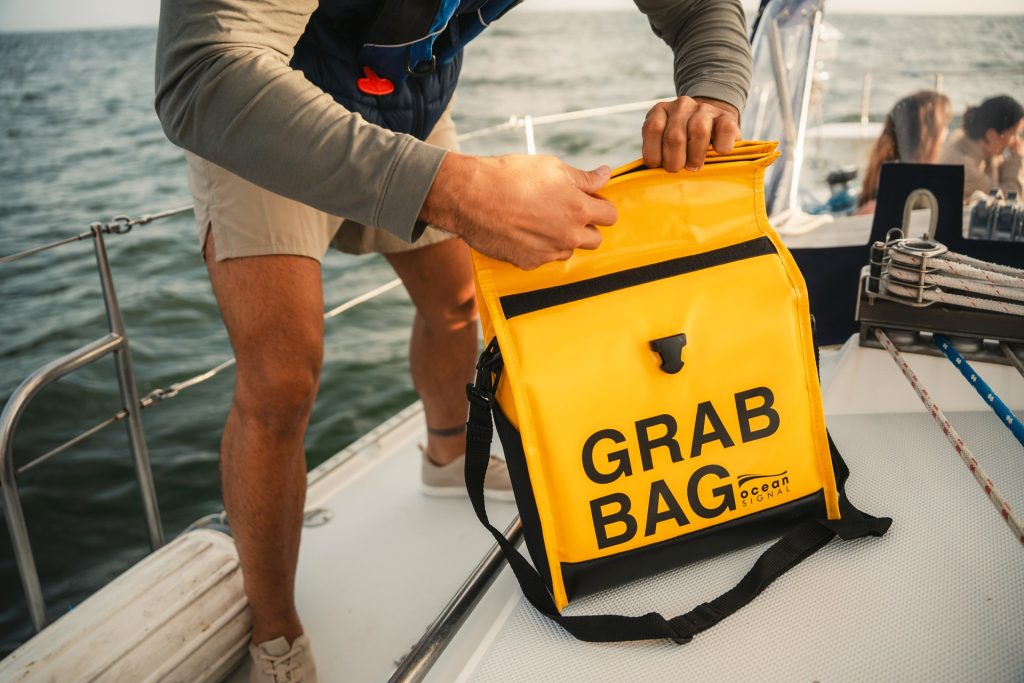
Choose a spot your crew can get to from the cockpit and show everyone before you leave the berth. Keep the EDF1, mirror and whistle together inside. The PLB1 stays with its wearer.
9 litres
Main compartment
2 pockets
External stowage
An internal rail lets you tether loose gear. Reflective tape and the bright yellow exterior make the bag easier to pick out. Closed dimensions are 42 × 29 × 17 cm (W × H × D).

How many sailors does one kit equip?
One person can carry the included PLB1. If several crew members each need a personal distress beacon, allow one beacon per person. View the individual rescueME PLB1.
Will the PLB1 show a crew member on our AIS chartplotter?
No. The PLB1 alerts search and rescue by satellite. For local alerts to AIS-equipped boats as well, the PLB3 Sailing Safety Kit includes two AIS-enabled PLB3 beacons and adds Return Link Service acknowledgement.
My EPIRB is registered. Do I need to register the PLB1 too?
Yes. The PLB1 has its own beacon identity. Before sailing, register it with the authority for its country coding and keep your emergency contacts up to date. Find registration guidance.
Does the EDF1 send a distress alert?
The EDF1 is a visual signal for people close enough to see it. To alert search and rescue by satellite, use your PLB1 or the vessel’s EPIRB. Read the EDF1 instructions (PDF).
When do the batteries need attention?
Check the replacement date on your PLB1 before each passage. Its battery has a seven-year replacement interval and needs authorised service after emergency use. The EDF1 has a user-replaceable battery pack and a battery-test function.
What happens if I use my PLB1 in a rescue?
The 406 Survivor Club offers a free replacement beacon after a qualifying rescue. Share your account with Ocean Signal for review. How the 406 Survivor Club works.
Who are Ocean Signal?
Based in Margate, Kent, Ocean Signal designs and builds marine rescue beacons. The team behind rescueME makes the PLBs sailors carry on deck and the EPIRBs fitted to their boats.