Engineered for Solo & Small-Crew Sailors: Two Ocean Signal PLB3 beacons deliver dual 406 MHz + AIS distress alerts, ensuring global rescue response and instant local visibility
Compact, Offshore-Ready Design Includes Ocean Signal Grab Bag w/SOLAS-approved tape, plus ACR mirrors and whistles for essential signalling and compliance at sea
Trusted Reliability: Developed by Ocean Signal & ACR Electronics — professional-grade safety trusted by bluewater skippers and single-handed adventurers worldwide
Personal rescue protection for every member of a two-person offshore crew
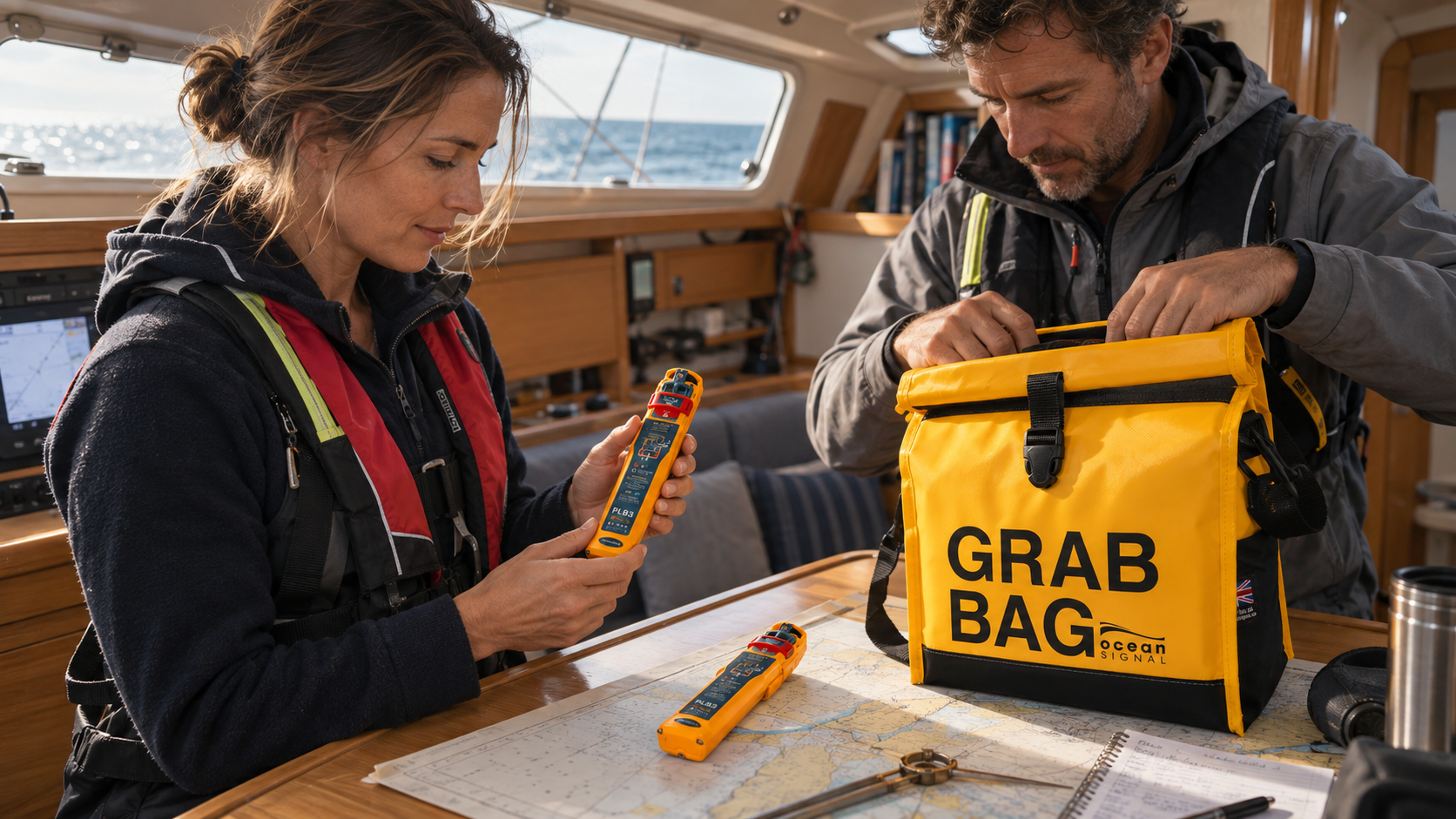
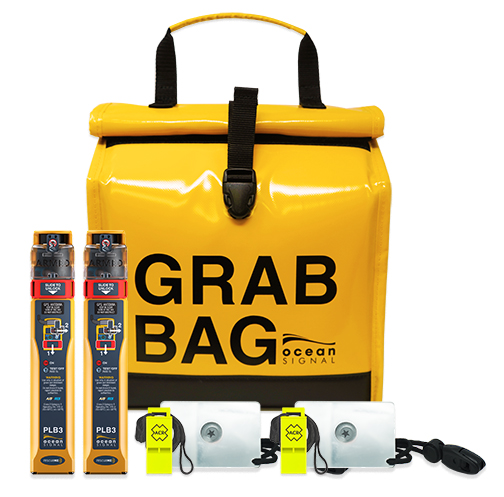
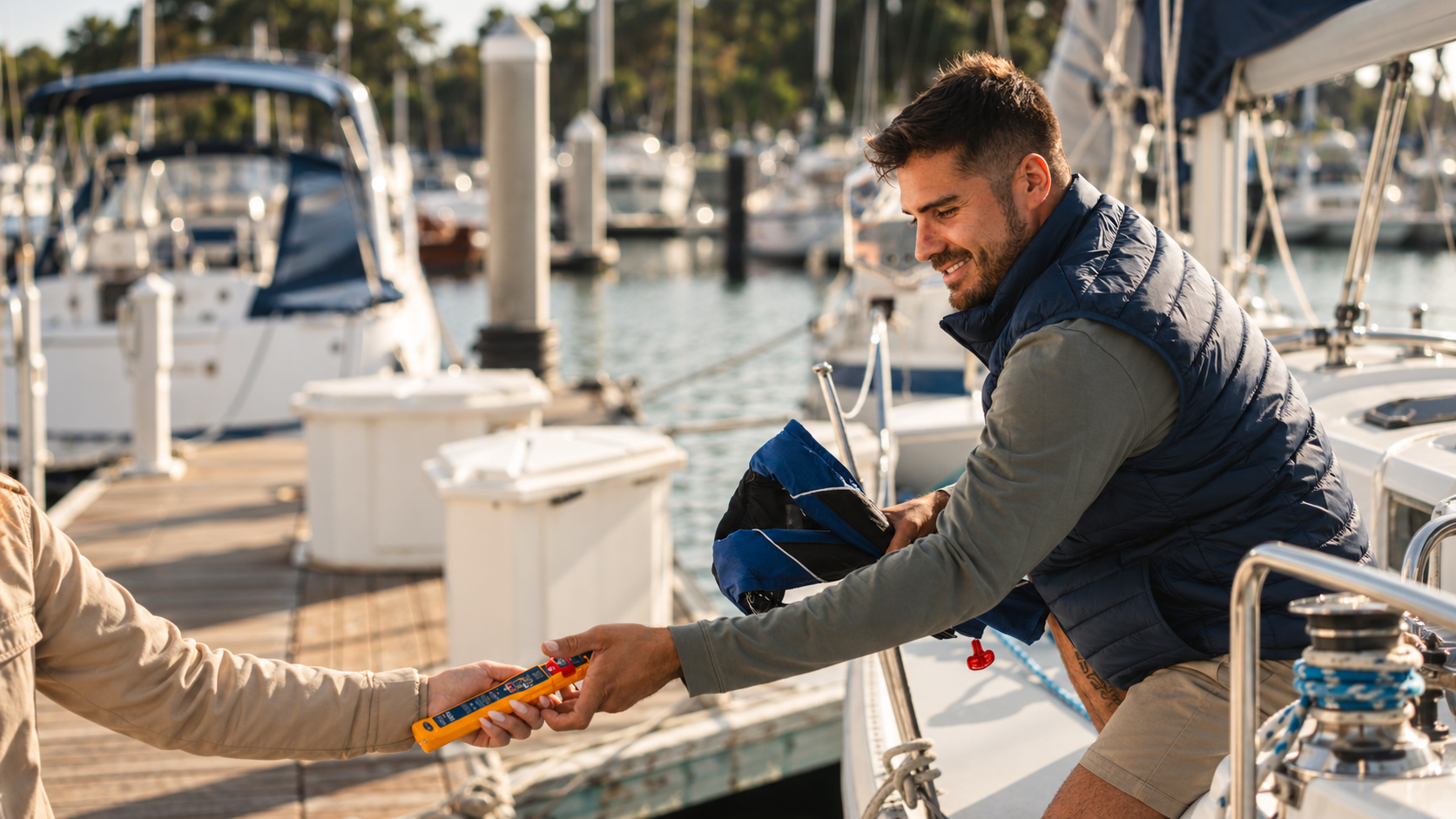
The Ocean Signal PLB3 Sailing Safety Kit is a personal emergency beacon and grab bag bundle for two-person offshore and bluewater crews that already carry a vessel EPIRB. It equips each sailor with a lifejacket-ready rescueME PLB3 and keeps additional emergency signalling equipment together in a buoyant 9-litre Ocean Signal Grab Bag.
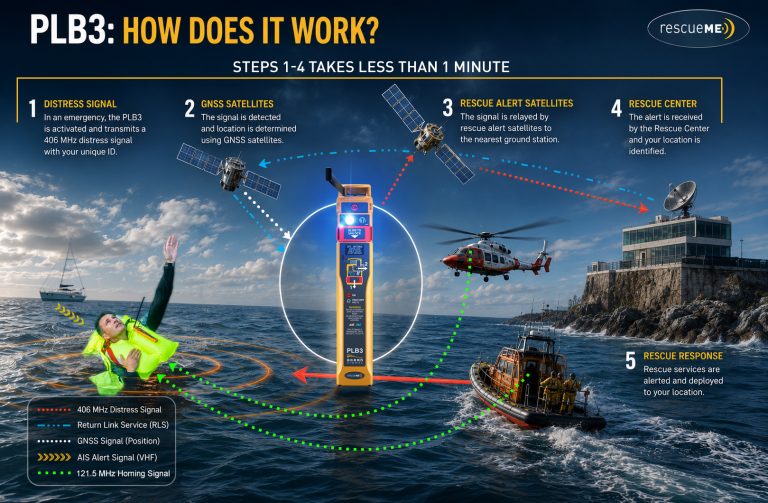
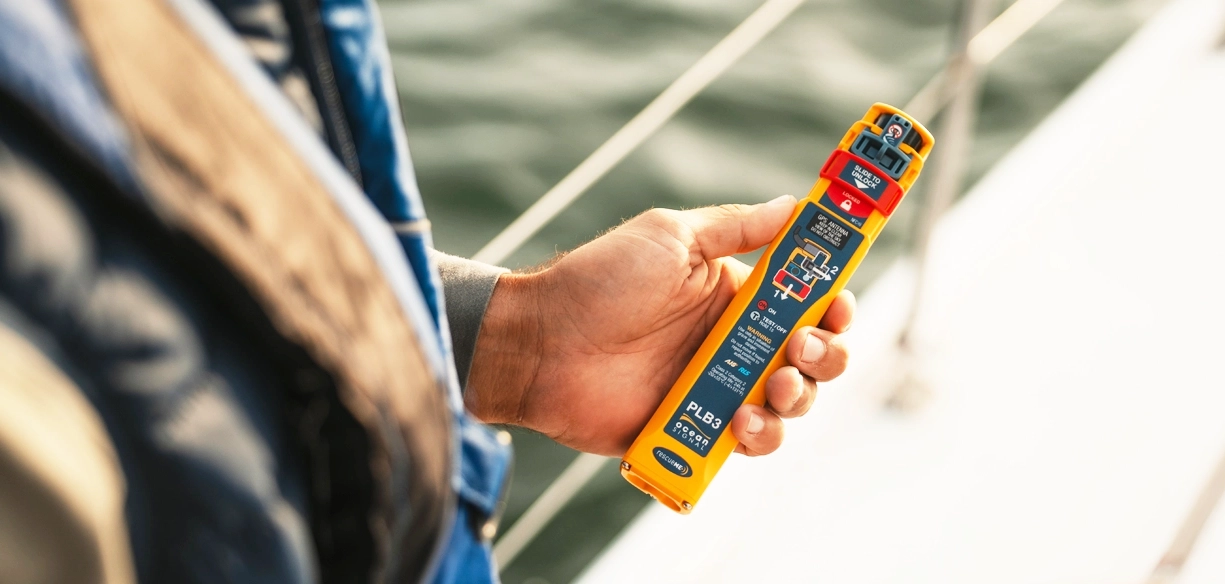
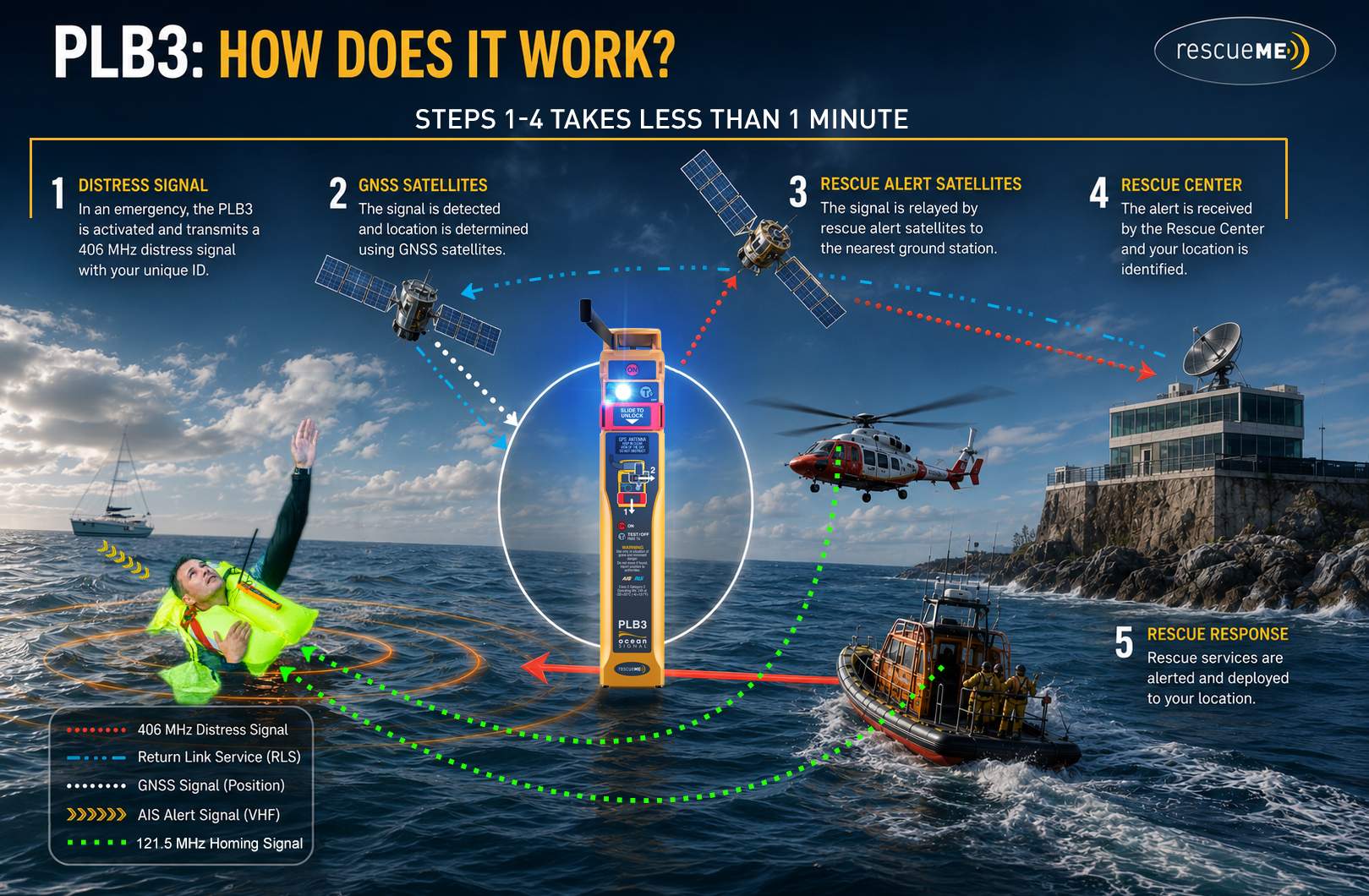
AIS broadcasts the beacon’s position to compatible nearby vessels. 406 MHz sends the registered distress alert through the global Cospas-Sarsat system. RLS acknowledges receipt and location detection. 121.5 MHz homing helps equipped rescue teams close in during the final approach.
Your EPIRB protects the yacht. PLB3 protects each person.
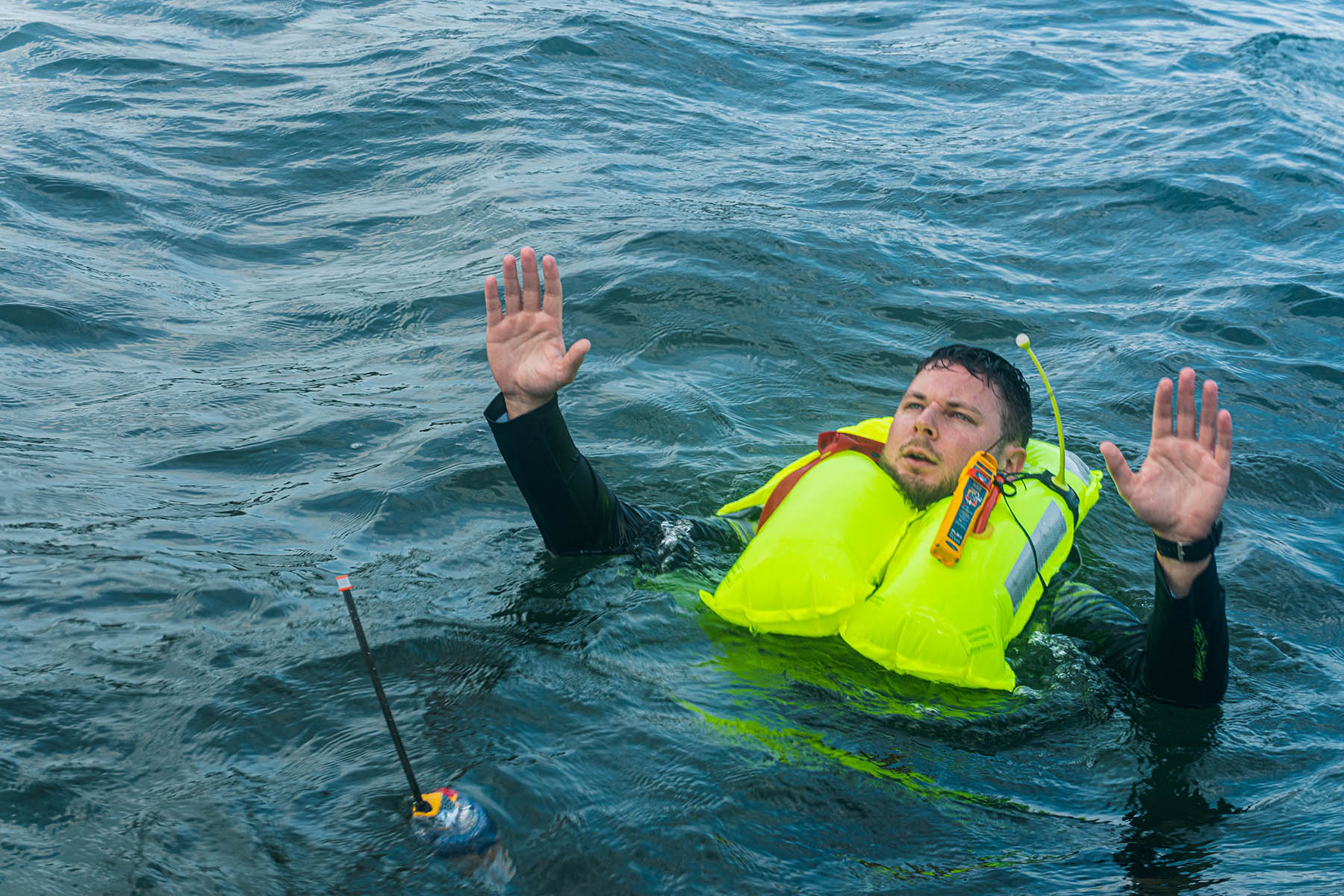
If one sailor goes overboard, their rescue protection goes with them
An EPIRB is the foundation of vessel-level offshore distress alerting. The PLB3 Sailing Safety Kit complements it by giving both skipper and crew an independent rescue beacon that stays attached to the lifejacket.
✓Two rescueME PLB3 beacons provide one personal beacon for each of two sailors.
✓Global and local alerting in each PLB3 combines 406 MHz satellite distress transmissions with AIS broadcasts to nearby equipped vessels.
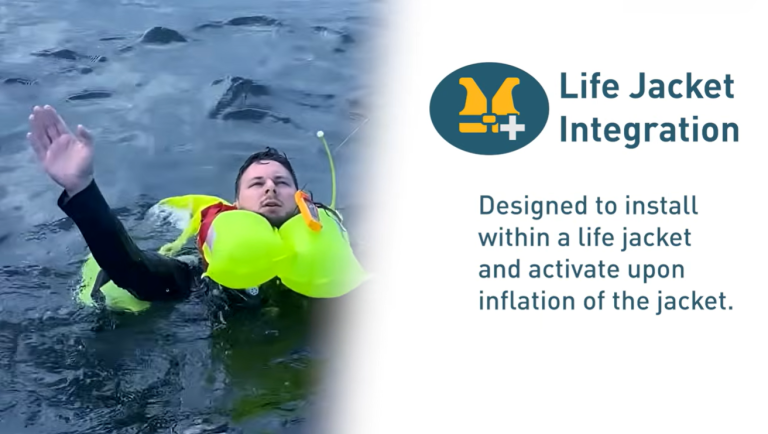
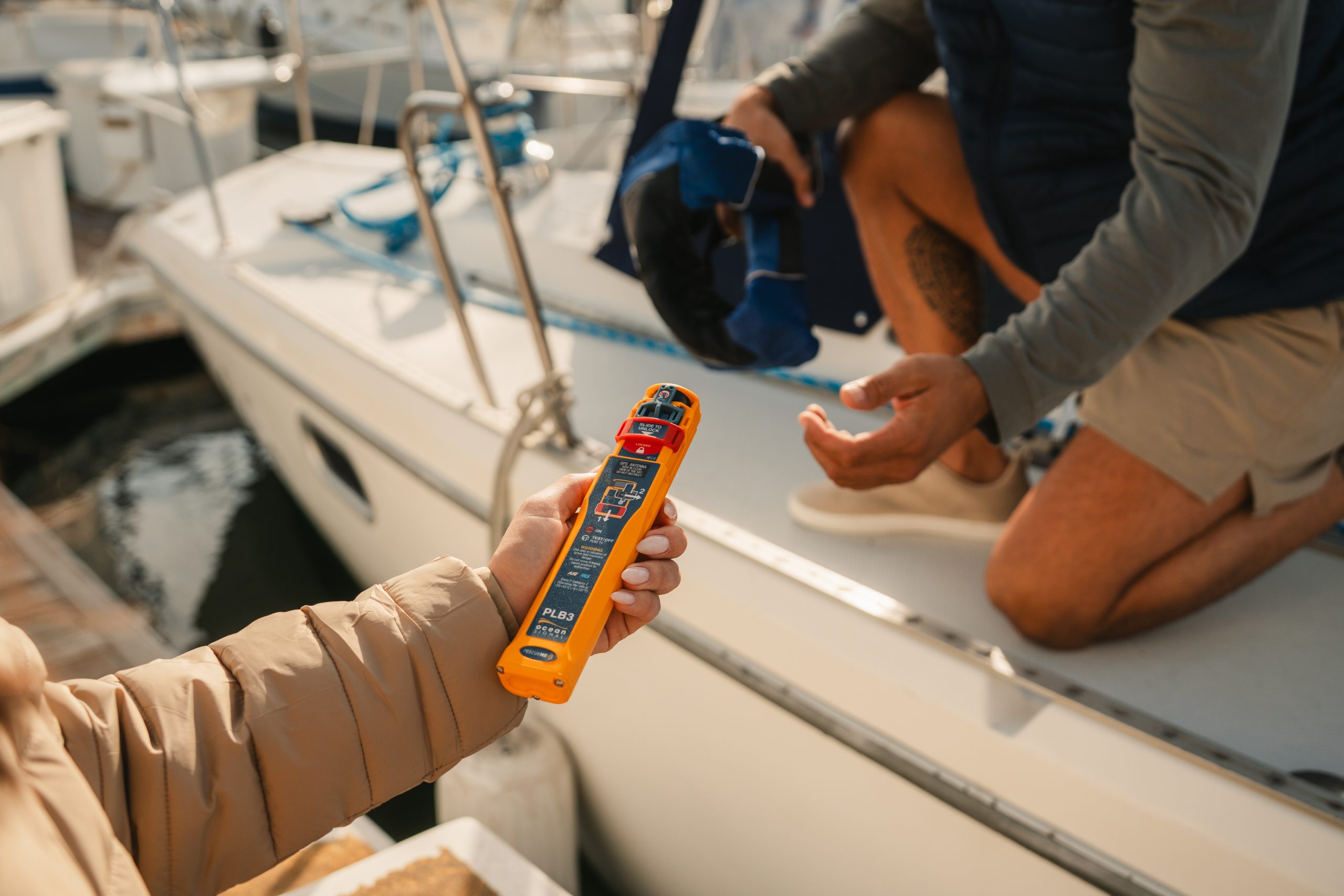
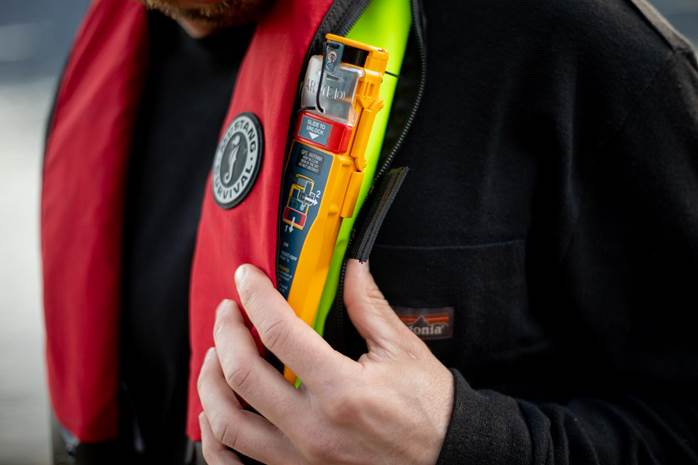
✓Lifejacket-ready integration supports semi-automatic activation when correctly installed in a compatible inflatable lifejacket.
✓One organised Grab Bag keeps additional vessel safety essentials visible, buoyant and ready to move.
The same award-winning beacon • Two ways to buy
One rescueME PLB3 or the two-person Sailing Safety Kit?
Both options use the same rescueME PLB3 AIS Personal Locator Beacon. Choose the standalone PLB3 when you need one personal beacon. Choose this Sailing Safety Kit when two sailors need one PLB3 each and you also want the Grab Bag, signal mirror and two whistles.
One-person purchase
1 × rescueME PLB3 AIS Personal Locator Beacon
Best when you need one lifejacket-ready beacon with 406 MHz, AIS, RLS, 121.5 MHz homing, NFC and visible plus infrared strobes.
✓One PLB3 for one wearer
✓Ideal for an individual sailor or replacing a single beacon
Best for a skipper and crew member who already have a vessel EPIRB and want independent personal protection for both sailors in one complete package.
✓Two PLB3 beacons—one for each sailor
✓Grab Bag, signal mirror and two emergency whistles included
You’re viewing the complete two-person kit
The Sailing Safety Kit adds a second PLB3 and shared emergency equipment; it does not change the capabilities of either beacon. Learn how personal and vessel beacons complement each other in the Ocean Signal EPIRB vs PLB guide.
Packed. Visible. Ready to leave the yacht.
A purpose-built Grab Bag for life offshore
The bright roll-top Ocean Signal Grab Bag keeps emergency equipment together before it is needed. Its buoyant, water-resistant construction and rapid-access carry options are designed for the moment you may need to move from yacht to liferaft.
✓9-litre main compartment with room for vital equipment, documents and passage-specific essentials.
✓Two dedicated external pockets suitable for a handheld VHF and EPIRB.
✓SOLAS-approved reflective tape increases visibility in low-light rescue conditions.
✓Top handle and adjustable shoulder strap make the bag easy to identify, grab and carry.
✓Wipe-clean, mould-resistant exterior with an internal rail for tethering important items.
Compliance note: the bag uses SOLAS-approved reflective tape. Required Grab Bag contents and carriage rules depend on the vessel, flag state, event and operating area.
Award-winning technology • Real-world rescue
Proven innovation for the moment it matters
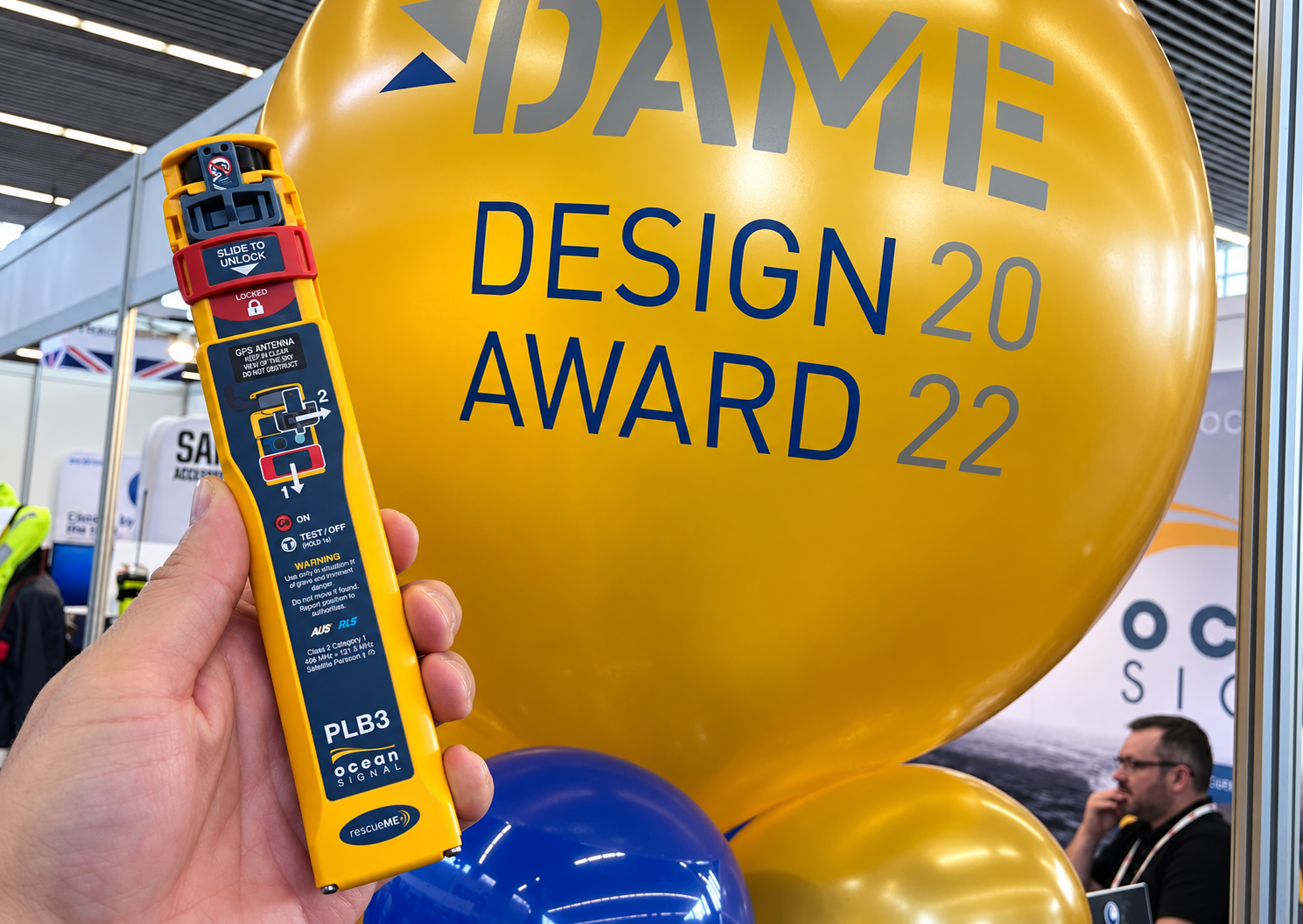
The PLB3 is not only an engineering concept: its combined 406 MHz and AIS design has received major independent recognition and has been used in a verified solo-sailing emergency.
406 MHz + AISGlobal and local alerting
DAME 2022Overall Winner
King’s Award 2026Innovation
PLB3 rescueVerified at sea
Verified survivor story
Knocked overboard while sailing solo
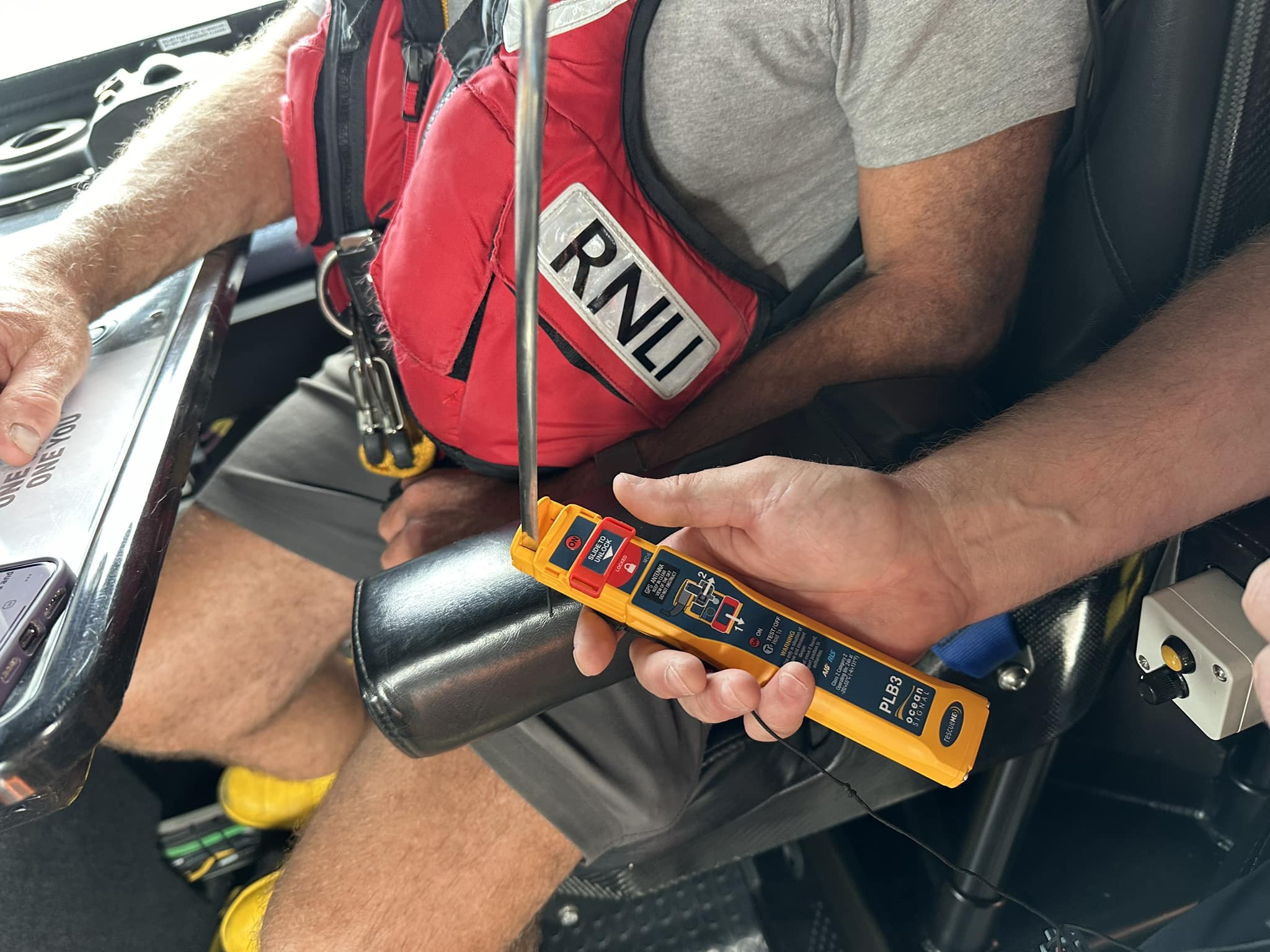
After becoming separated from his yacht in the River Exe, Peter Thomas’s lifejacket-integrated PLB3 deployed. Nearby boats responded and the RNLI arrived to assist.
Every component has a distinct role: raise the distress alert, help rescuers track each beacon, keep essential equipment together, and attract attention during the final approach.
2 × rescueME PLB3
One personal beacon for each sailor
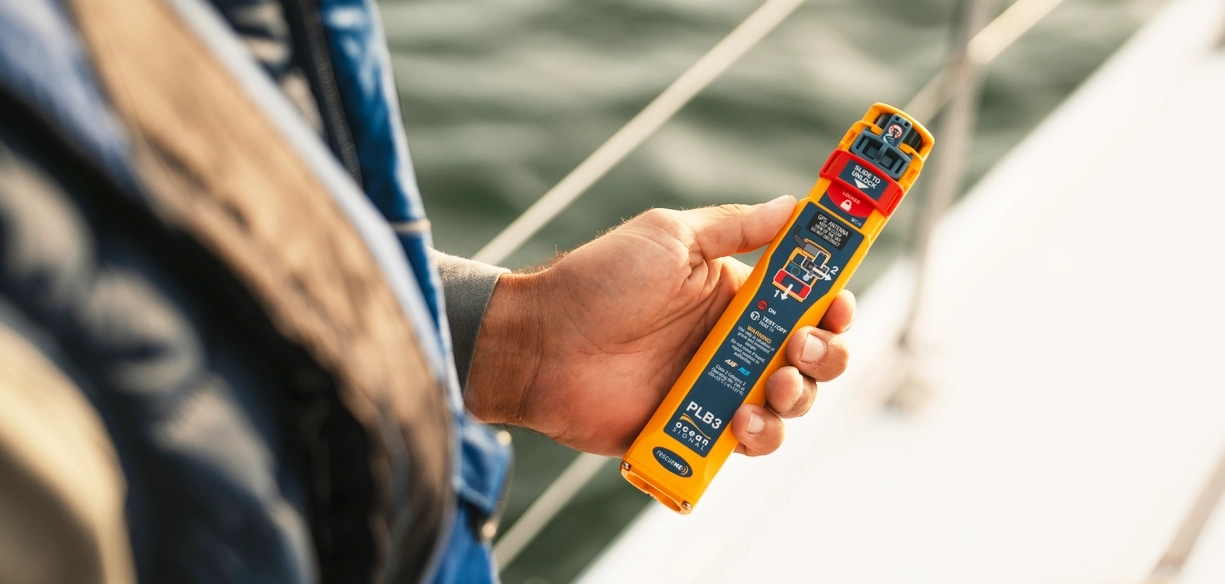
Each beacon provides 406 MHz, AIS and 121.5 MHz transmissions, RLS acknowledgement, NFC status access, lifejacket integration and visible plus infrared strobes.
The 9-litre, water-resistant bag includes two external pockets, internal tethering points, SOLAS-approved reflective tape and a rear panel for vessel details.
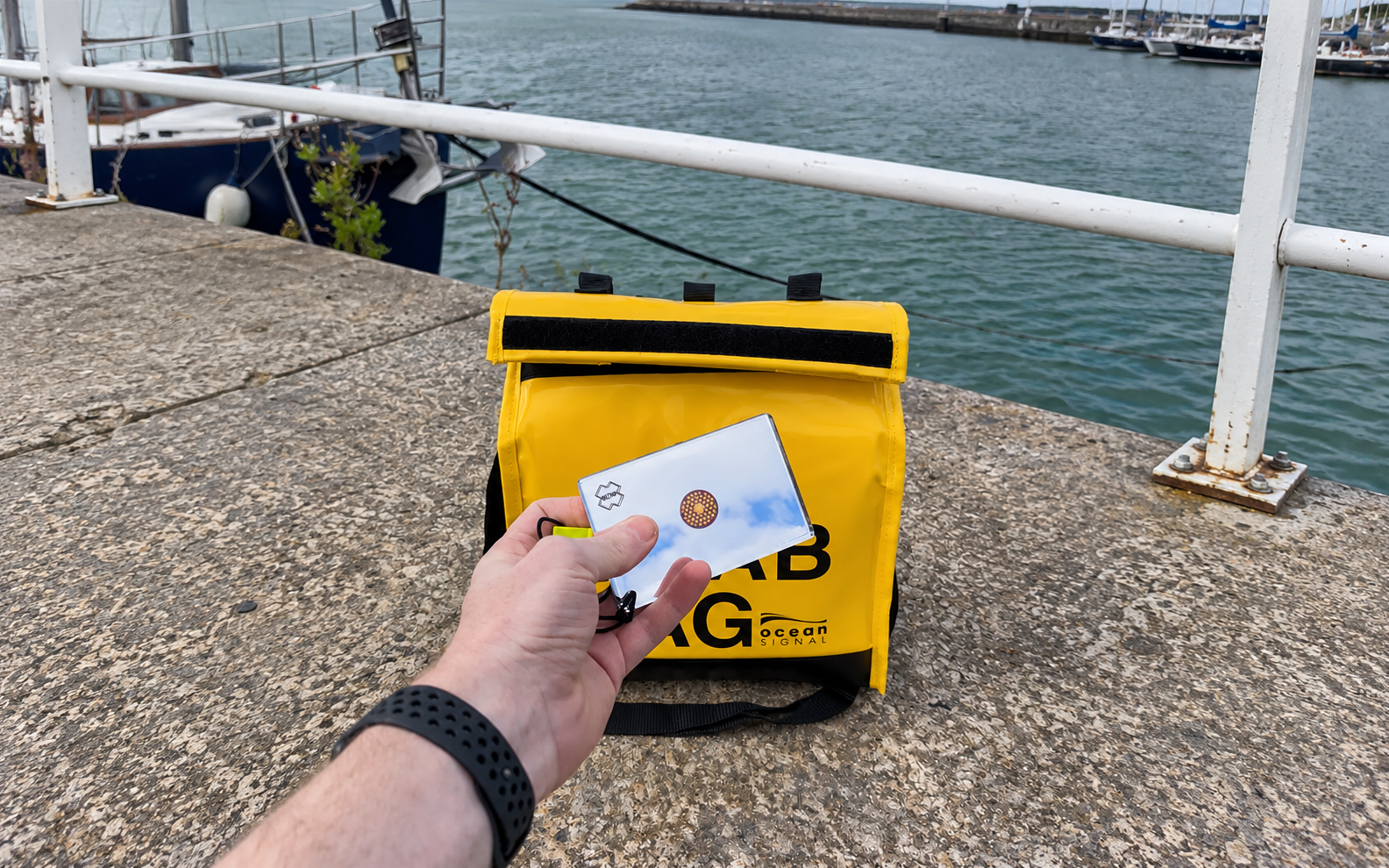
Use the mirror in daylight to draw attention over distance and the pealess whistles to help nearby rescuers locate crew at close range.
Carry it correctly • Keep it ready
Built around the way a small crew actually sails
The kit works best as part of a rehearsed onboard safety plan: each beacon stays with its wearer, while the grab bag remains accessible for evacuation or abandonment.
1
Assign one PLB3 per person
Record which registered beacon belongs to each regular crew member and keep emergency contacts current.
2
Install it in the lifejacket
Follow the PLB3 instructions and the lifejacket manufacturer’s guidance so inflation can deploy and activate the beacon correctly.
3
Keep the Grab Bag accessible
Stow it where it can be reached rapidly—not buried below—and add the vessel-specific equipment required for your voyage.
4
Adventure with confidence
Sail knowing both people carry personal rescue protection and the Grab Bag is equipped, visible and ready.
Important: consult the lifejacket manufacturer before fitting a PLB3. Semi-automatic activation depends on correct installation in a compatible inflatable lifejacket. A personal locator beacon and grab bag do not automatically replace any EPIRB, liferaft, VHF, flare or other equipment required for your vessel, flag state, operating area or activity.
Dedicated emergency technology
Two advanced PLB3s. No subscription fees.
The emergency alerting functions of both PLB3 beacons require no monthly or annual plan. Register each beacon correctly, maintain it, test it according to the manual and arrange authorised battery service when due or after an activation.
Reserve power for emergencies
Each PLB3 has a battery replacement interval of six years from manufacture or five years after being placed into service, with more than 24 hours of specified operating life.
NFC without draining the beacon
Tap a compatible phone to each beacon to access registration guidance, battery status and self-test or GNSS-test history through the free Ocean Signal app.
Purpose-built, not a communicator
The PLB3 does not provide routine tracking, weather or two-way messaging. Its RLS light acknowledges receipt and location detection; it does not provide a conversation with rescuers.
Multiple ways to alert and locate
How each rescueME PLB3 supports a rescue
One activation starts several complementary functions. Each has a different job, from raising the initial distress alert to helping nearby vessels and rescue teams locate the beacon.
1
Multi-GNSS position
The beacon uses satellite navigation to determine its position for the 406 MHz and AIS distress transmissions.
2
406 MHz global distress alert
Cospas-Sarsat satellites and ground infrastructure route the registered distress message toward the appropriate rescue authorities.
3
AIS alert to nearby vessels
Within VHF range, compatible AIS displays can show the beacon as an active target with its current transmitted position.
4
RLS acknowledgement
A flashing blue light confirms that the distress message has been received and the beacon location detected through the Galileo Return Link Service.
5
121.5 MHz homing
Equipped search and rescue teams can use the homing transmission to close in on the beacon’s current location.
6
Visible and infrared strobes
White and infrared lights support final visual detection during darkness or reduced visibility.
Which Ocean Signal sailing safety kit is right for you?
Choose the PLB3 Sailing Safety Kit when two sailors each need personal 406 MHz and AIS distress alerting and the yacht already has its EPIRB organised. Choose an EPIRB kit when the priority is vessel-level alerting, or a MOB2 kit when the priority is local AIS and DSC crew recovery.
Decision point
PLB3 Sailing Safety Kit
EPIRB3 Sailing Safety Kit
MOB2 Sailing Safety Kit
Primary role
Personal global and local distress alerting
Vessel-level global and local distress alerting
Local man-overboard alerting and recovery support
Who or what carries the beacon?
Two individual sailors
The vessel or grab bag
Individual crew lifejackets
406 MHz Cospas-Sarsat
Yes
Yes
No
AIS position alert
Yes
Yes
Yes
DSC
No
No
Yes, subject to configuration and national rules
Best fit
Solo or shorthanded sailors who want each person to carry independent 406 MHz plus AIS protection
Sailors adding or replacing a vessel EPIRB
Crews prioritising rapid local recovery by the parent vessel and nearby boats
Many offshore safety plans use more than one layer. A PLB does not automatically replace a required EPIRB, and an AIS/DSC MOB beacon does not send a 406 MHz Cospas-Sarsat alert.
It is designed for two-person, shorthanded, offshore and bluewater crews that already have a vessel EPIRB and want each sailor to carry an independent rescueME PLB3. The Grab Bag keeps the kit’s additional signalling equipment together and leaves space for voyage-specific essentials.
Does the kit replace an EPIRB?+
Not automatically. A PLB is personal equipment; an EPIRB is designed around vessel-level maritime distress alerting and may be required by law, flag state, class, operating area or event rules. The PLB3 kit can complement an EPIRB but should not be presented as a universal substitute.
What exactly is included?+
The kit includes two Ocean Signal rescueME PLB3 Personal Locator Beacons, one Ocean Signal Grab Bag, one signal mirror and two emergency whistles.
Is the Ocean Signal Grab Bag waterproof?+
The official specification describes the Grab Bag as water-resistant and buoyant, not as a fully submersible waterproof container. Protect water-sensitive documents or electronics inside suitable sealed pouches.
Do the two PLB3 beacons float?+
The PLB3 itself should not be described as inherently buoyant. An optional PLB3 Floatation Pouch can add buoyancy when fitted. Correct lifejacket installation and secure attachment remain essential.
Will nearby vessels always receive the PLB3 AIS alert?+
AIS reception depends on VHF range, antenna height, local conditions and whether a nearby vessel has compatible, operating AIS equipment. The PLB3 also transmits a separate 406 MHz distress alert through Cospas-Sarsat, so AIS is an additional local alerting and locating layer—not the only rescue path.
Registration, activation and ownership
Must both PLB3 beacons be registered?+
Yes. Each PLB3 has its own unique 15-digit HEX ID and must be registered with the appropriate national 406 MHz beacon authority. Keep owner, emergency-contact and voyage details current for both units.
Does the kit require a subscription?+
No monthly or annual subscription is required for either PLB3’s emergency alerting functions. Registration, proper maintenance and authorised battery replacement are still required.
What does the RLS blue light mean?+
The flashing blue RLS indication means the 406 MHz distress message has been received and the beacon’s position detected through the Galileo Return Link Service. It is an acknowledgement, not two-way messaging and not a promise of a particular rescue time.
How does PLB3 lifejacket activation work?+
When correctly installed inside a compatible inflatable lifejacket using the supplied fittings, lifejacket inflation can deploy the antenna and activate the PLB3 semi-automatically. Consult the lifejacket manufacturer and follow the current PLB3 instructions before installation.
How long do the PLB3 batteries last?+
Ocean Signal specifies a replacement interval of six years from manufacture or five years after the beacon is placed into service, with more than 24 hours of operating life at the specified conditions. An authorised centre must replace the battery after expiry or activation.
Before departure: register both beacons, confirm the coding is appropriate for your market, test them only as directed, verify lifejacket compatibility, and complete the Grab Bag with the equipment required for your vessel and voyage.
The PLB3 Sailing Safety Kit is the strongest fit for a two-person offshore crew that already has an EPIRB and wants independent personal 406 MHz and AIS protection for both sailors.