


 |
| 
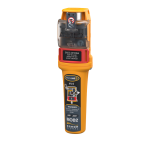
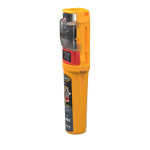
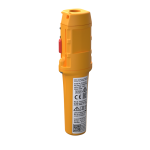
rescueME MOB2 · AIS man overboard beacon
Overboard.
Out of sight.
Every second counts.
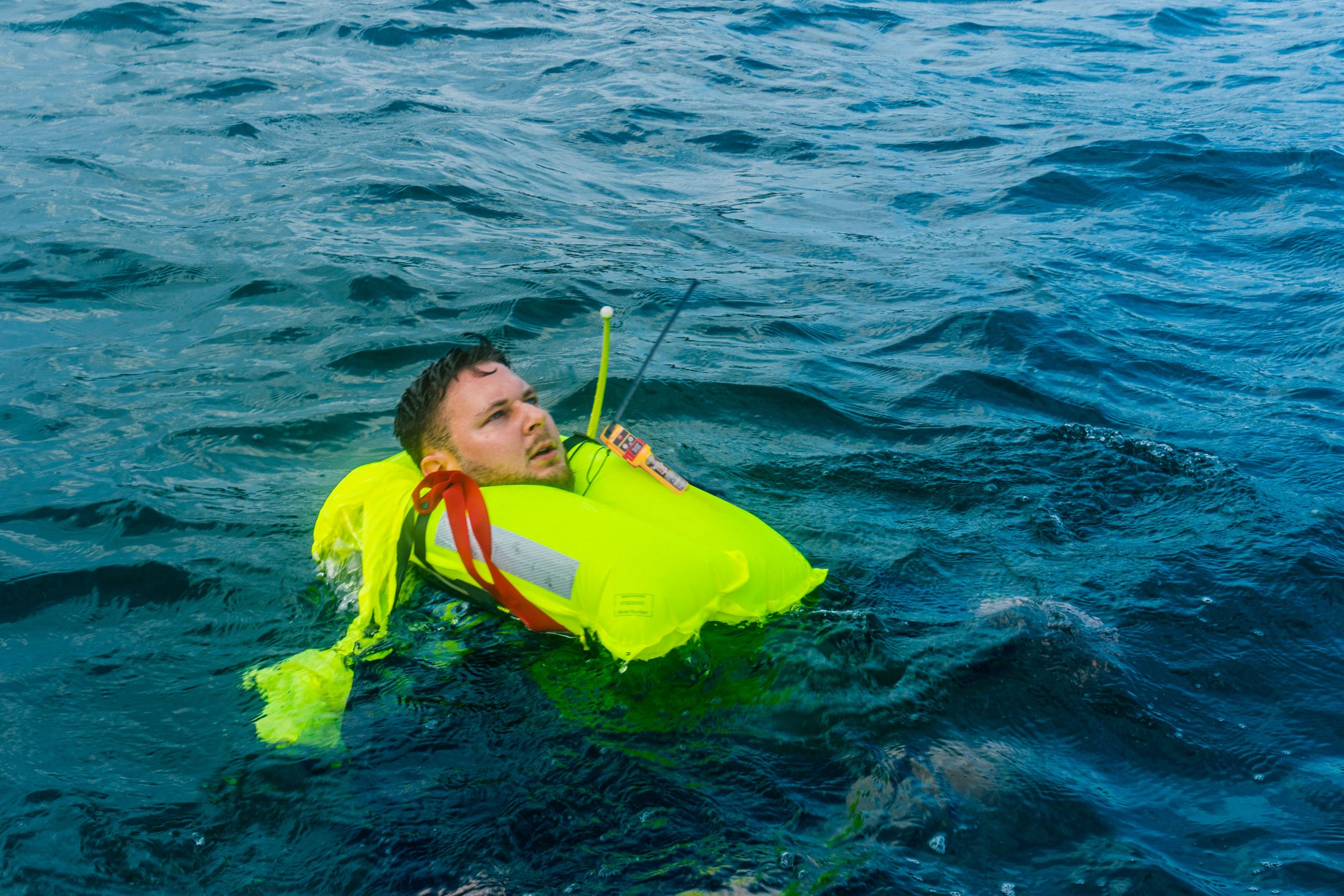
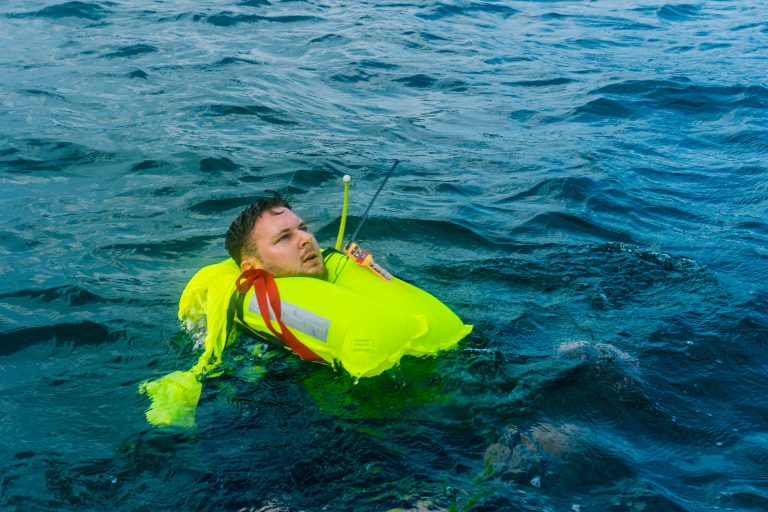
You’re in the water. The boat is still moving. In waves or darkness, keeping you in sight can become a struggle.
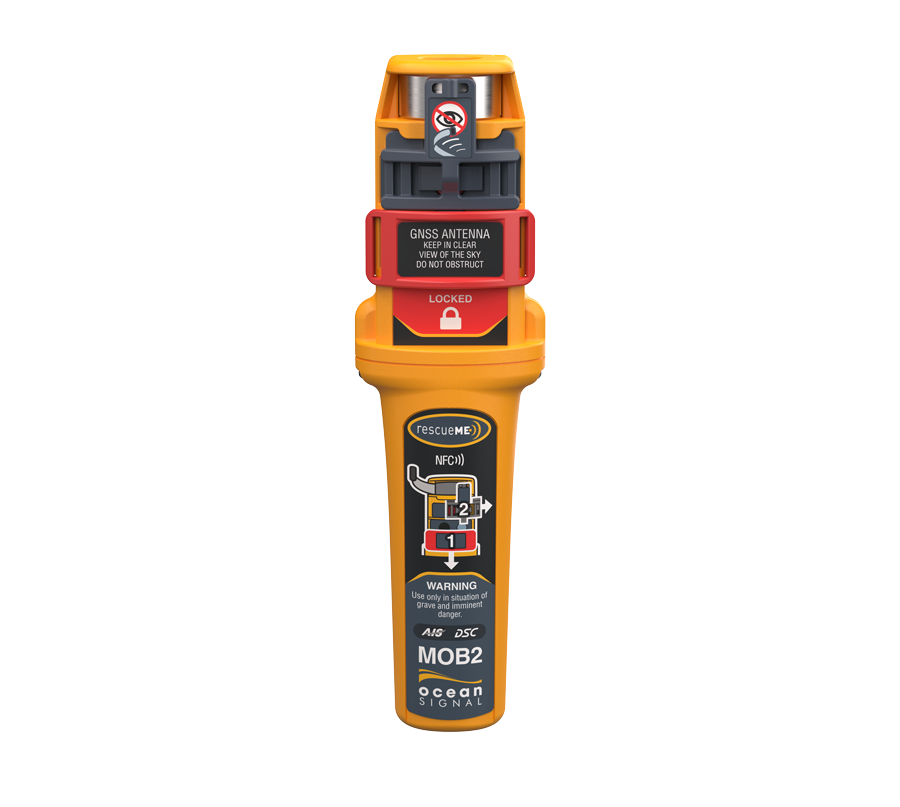
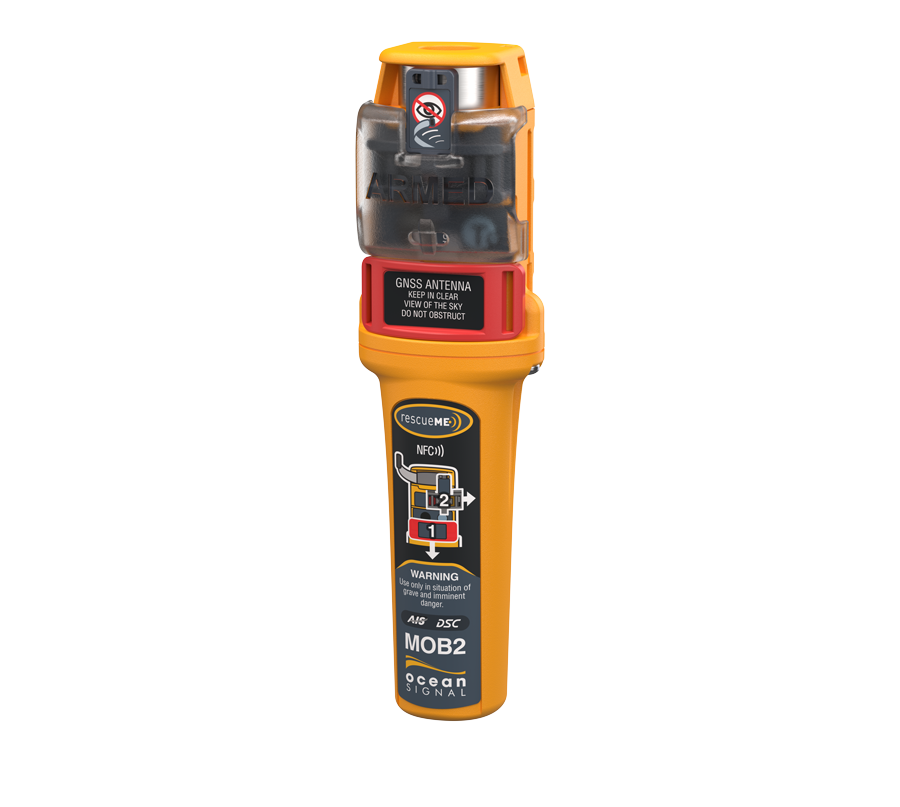
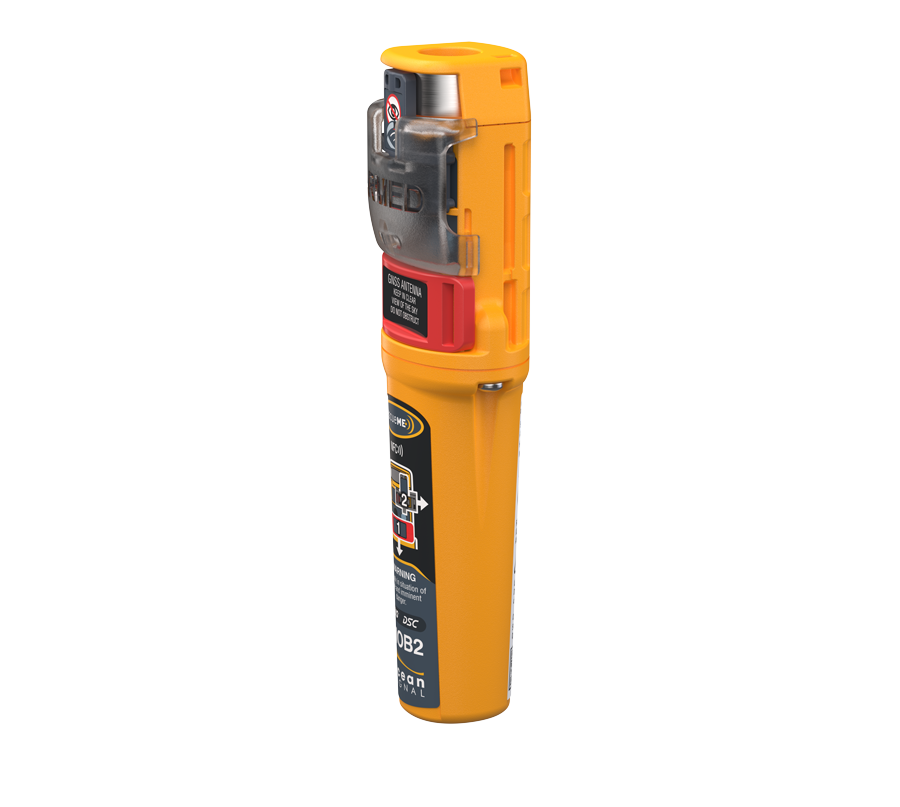
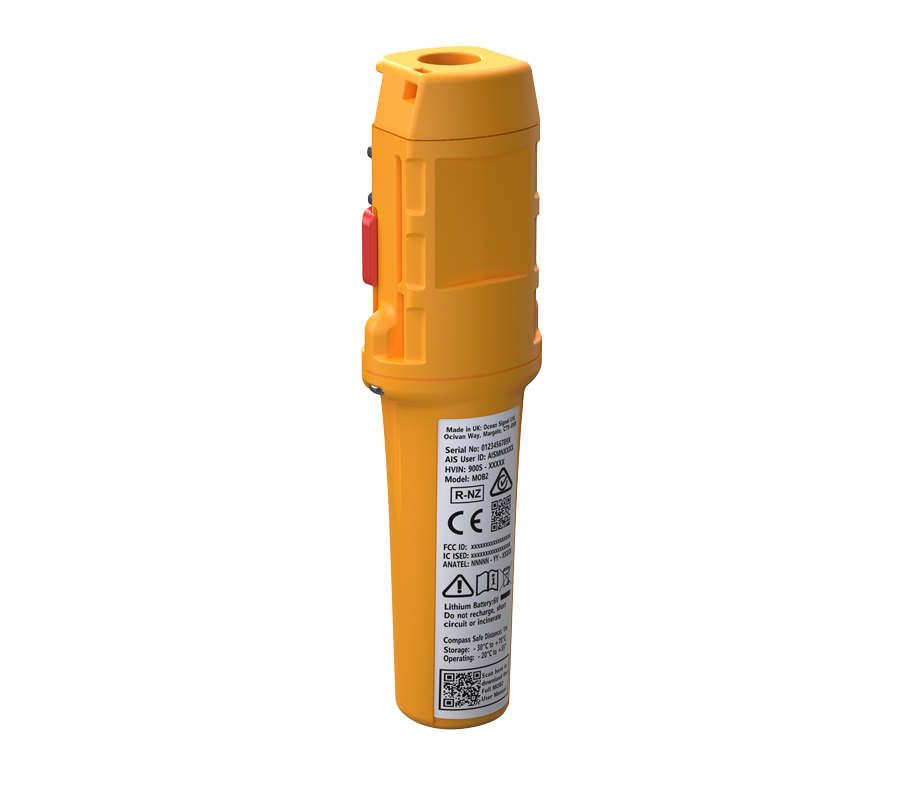
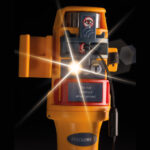
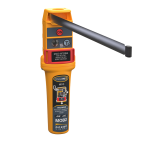
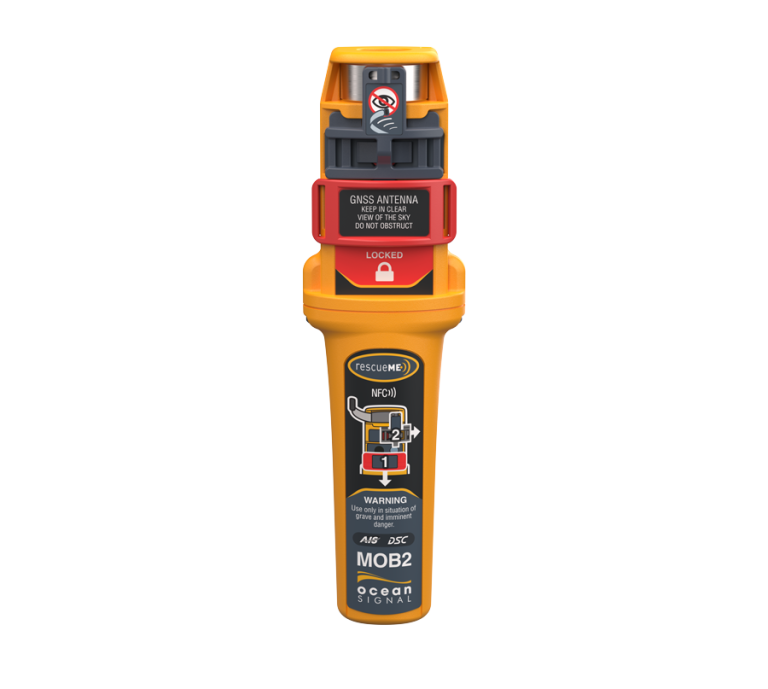
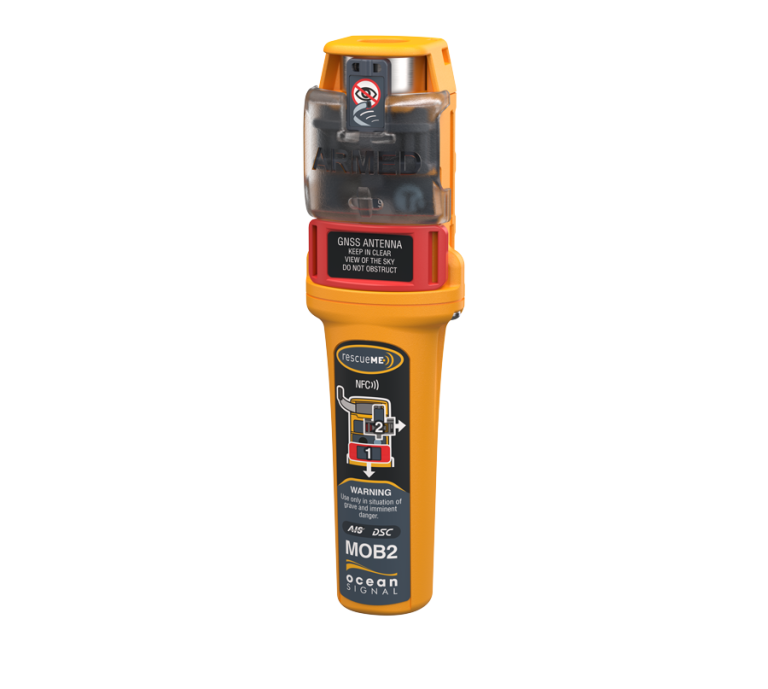
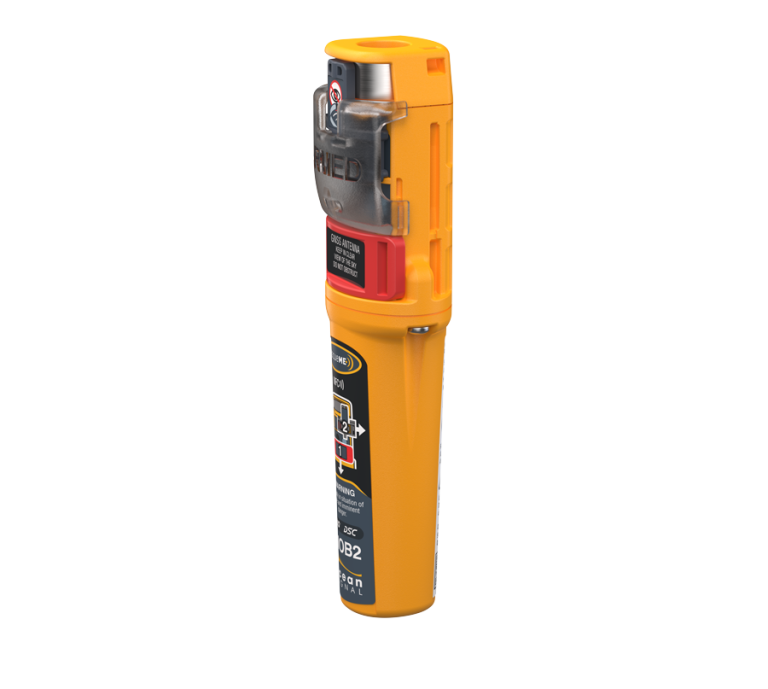
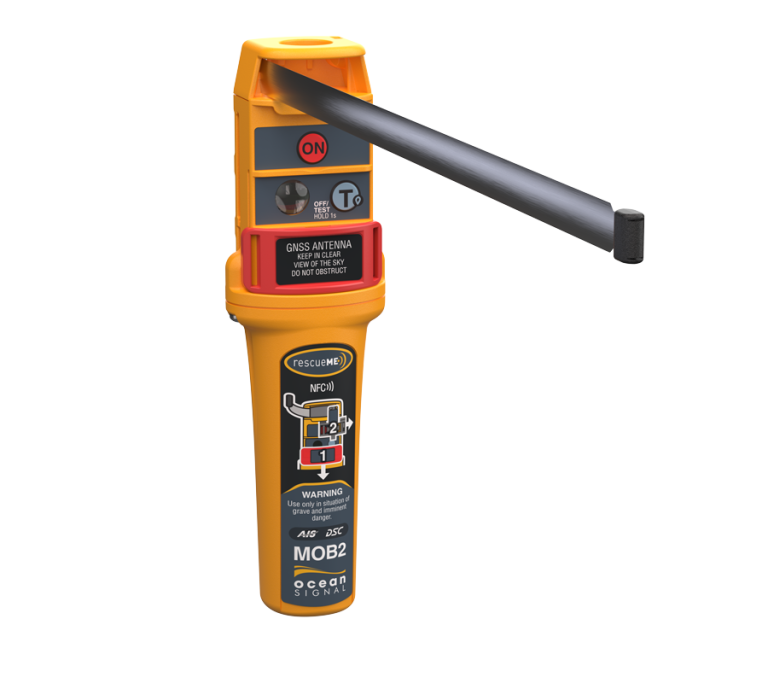
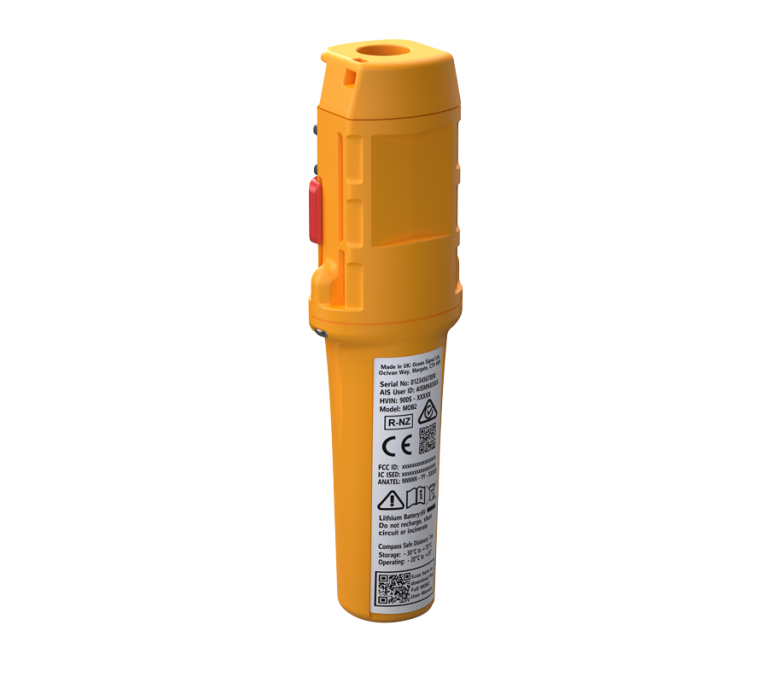
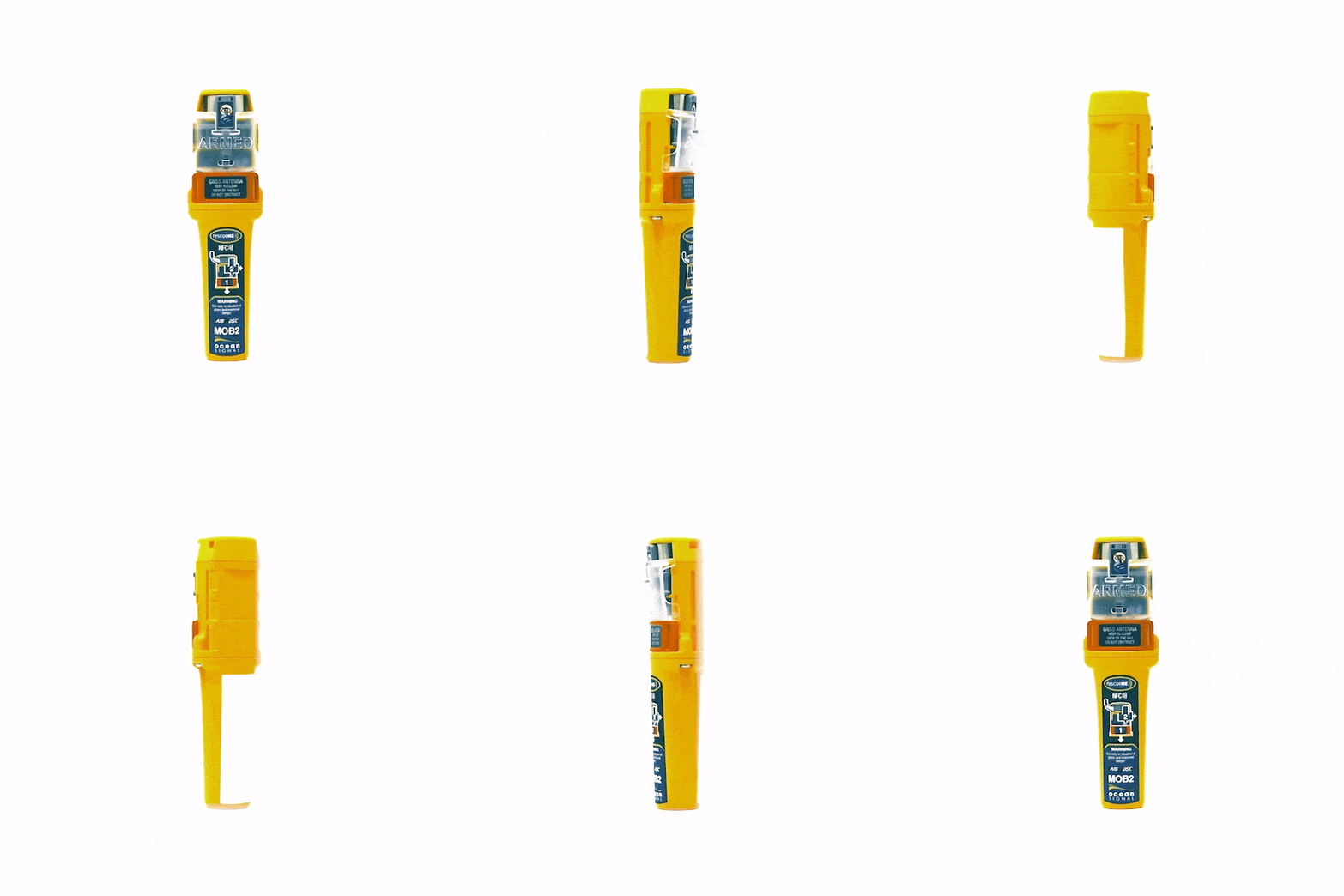
The Ocean Signal rescueME MOB2 is a compact Class M AIS man overboard beacon with VHF DSC. Fitted in a compatible inflatable lifejacket, it helps alert your crew and nearby equipped vessels and broadcasts your position once its GPS/Galileo receiver has a position fix.
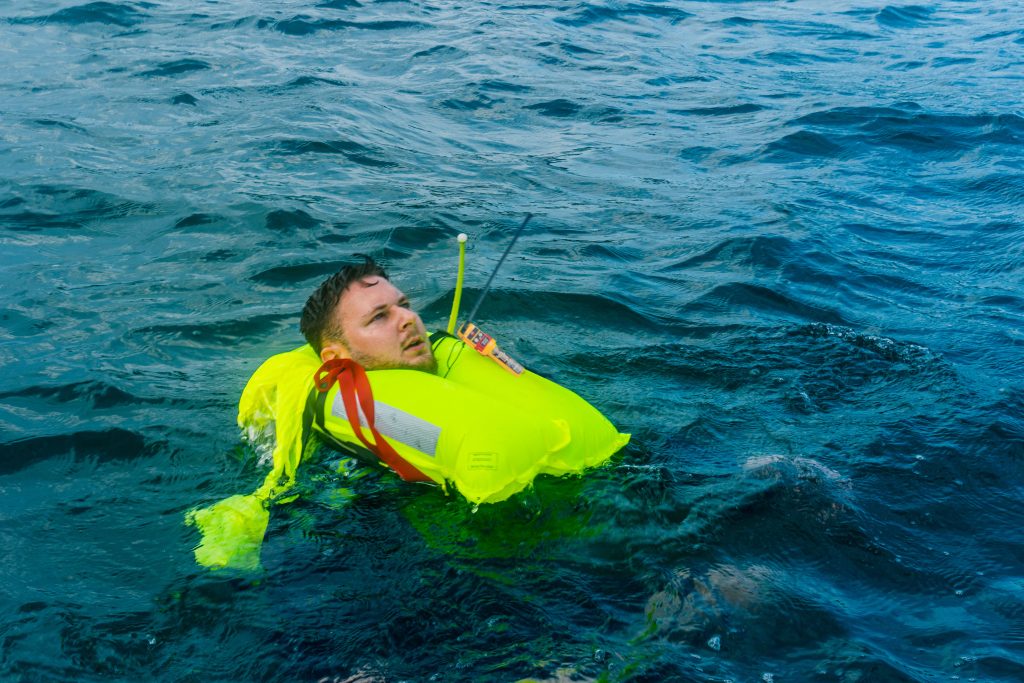
*Automatic activation requires correct installation and arming in a compatible inflatable lifejacket. MOB2 provides local radio alerting; it does not send a 406 MHz satellite distress alert.
Crew stories · rescueME ambassadors
See MOB2 on board.
Watch Calidris Crew and Hrimfare share how MOB2 fits into their onboard safety preparation.
Ocean Signal ambassador collaborations. If a reel does not load, use its Instagram or Facebook link below.
Calidris Crew
Life aboard Calidris Alba
Hrimfare
MOB2 · Safety Series, Episode 3
From person in the water to crew on board
How MOB2 helps your crew find you.
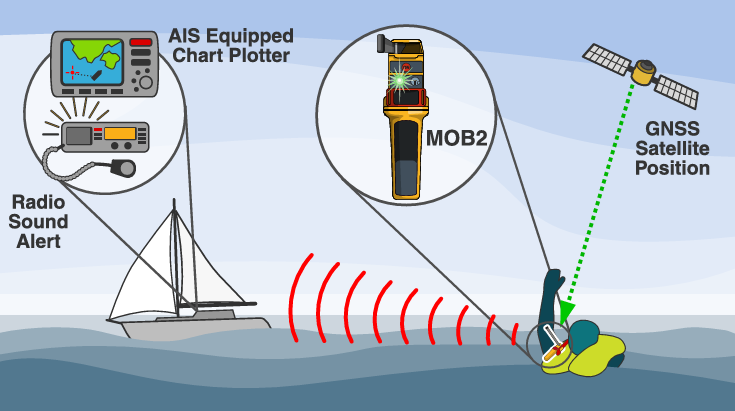
A lifejacket helps keep you afloat. MOB2 adds AIS position broadcasts and VHF DSC distress alerting for nearby equipped vessels.
1. Activate
A correctly fitted, armed MOB2 activates when the lifejacket inflates. Manual activation is also available.
2. Alert and locate
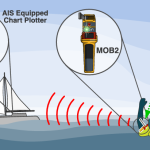
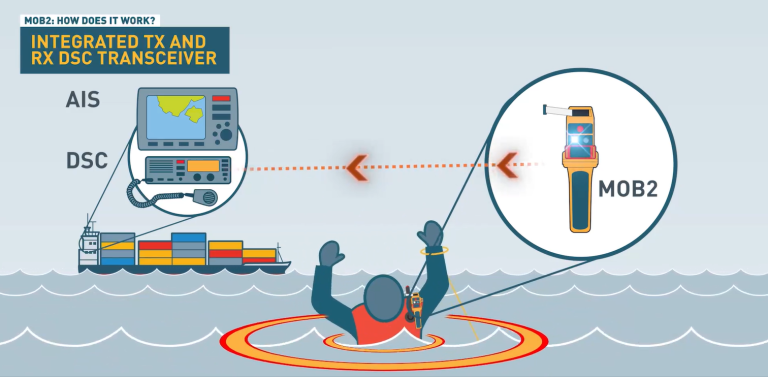
Once a GNSS position is acquired, AIS broadcasts your location to compatible receivers in range. DSC sends a distress alert to compatible VHF radios.
3. Guide the recovery
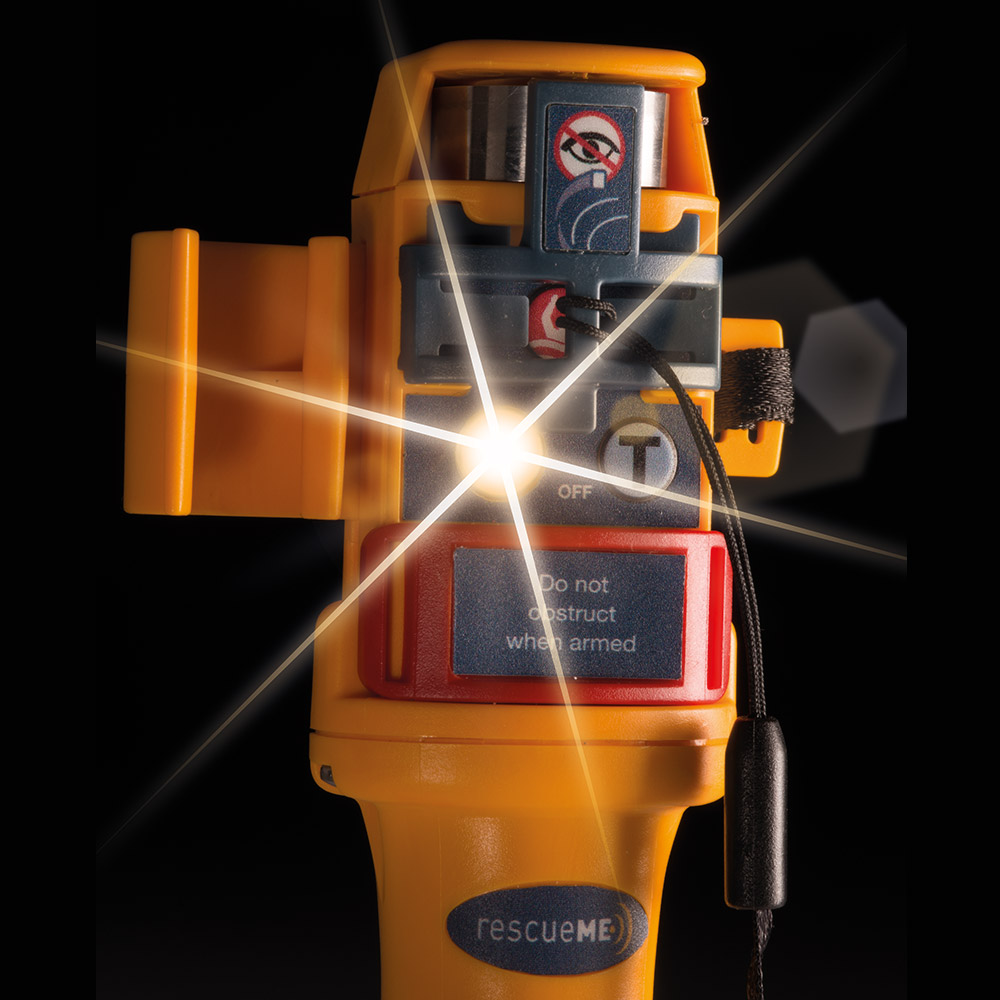
Updated AIS positions help a responding crew navigate towards you. A white strobe aids visibility; the infrared strobe requires suitable detection equipment.
Make it part of a practised recovery plan. MOB2 helps with alerting and locating; your crew still needs a way to bring a person aboard, including someone unable to help themselves.
Local reception matters. Range depends on sea conditions, antenna height and installation. Equipment must be compatible and switched on. An alert cannot guarantee rescue.
How does MOB2 work?
Watch MOB2 in action.
See how rescueME MOB2 helps alert nearby equipped vessels and gives your crew a position to navigate towards.
Carry it where it counts
Ready when your lifejacket inflates.
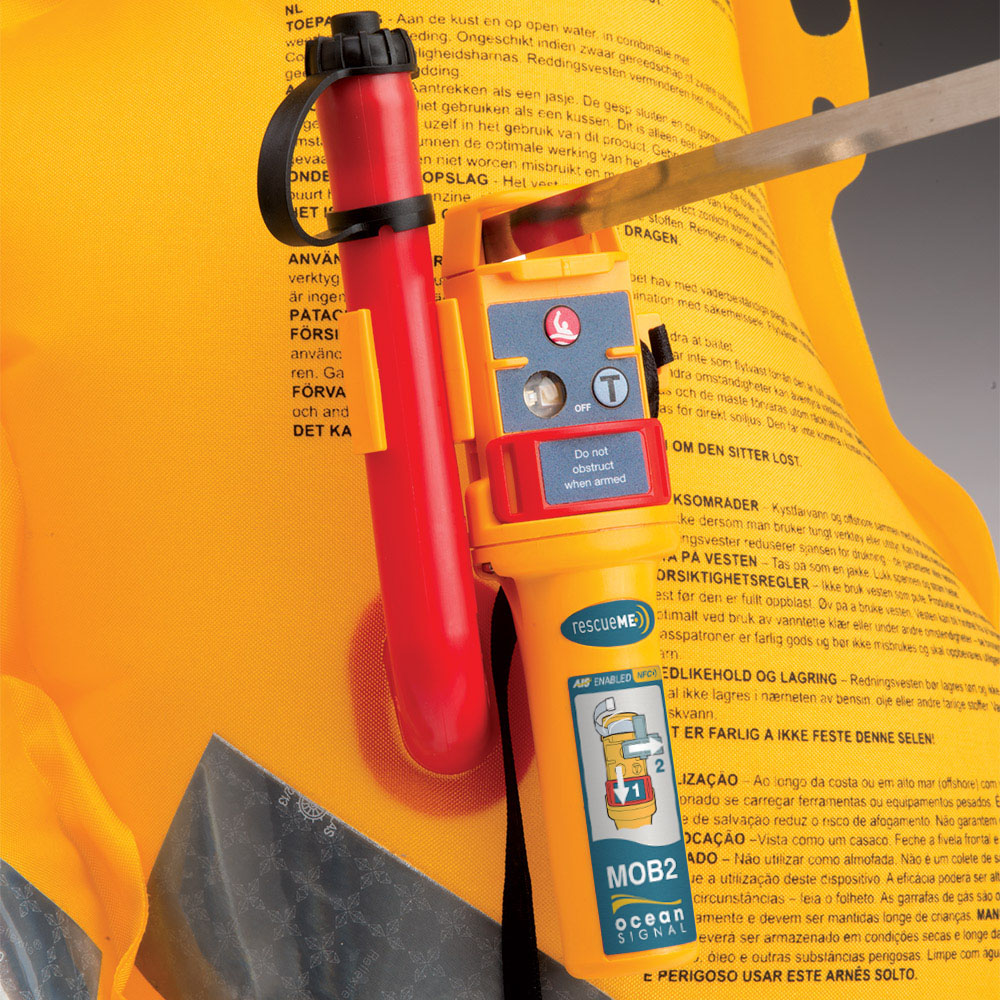
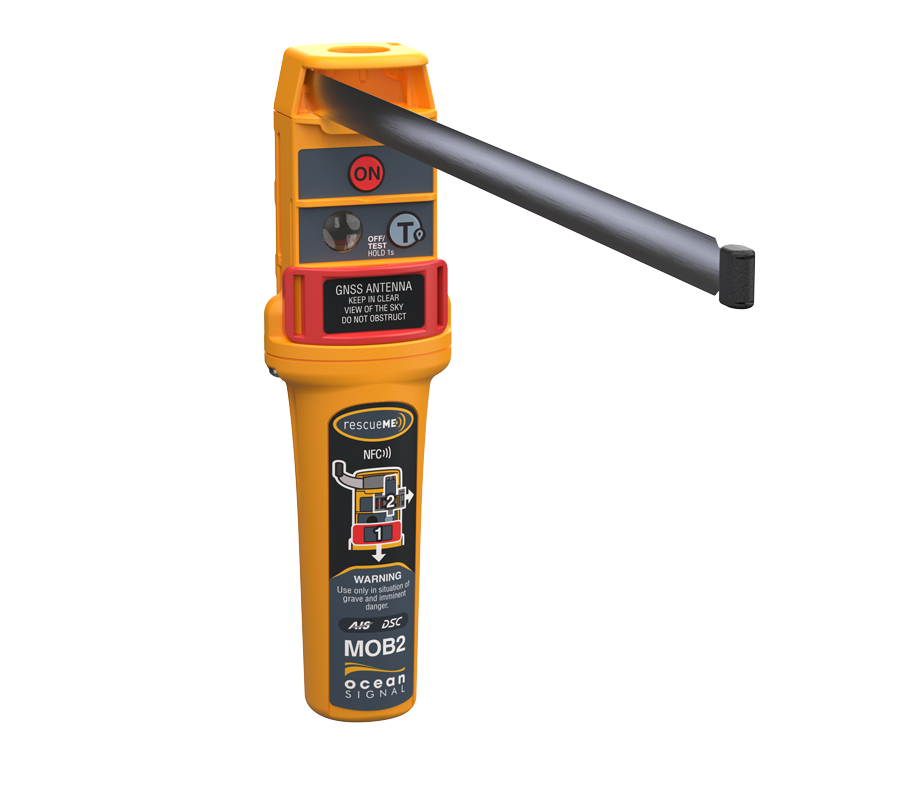
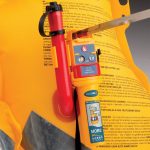
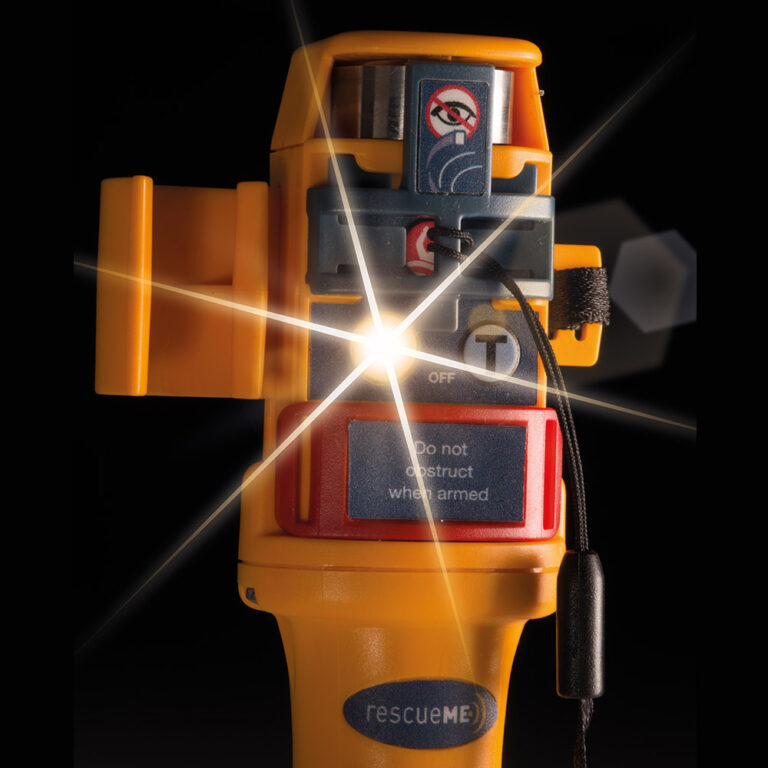
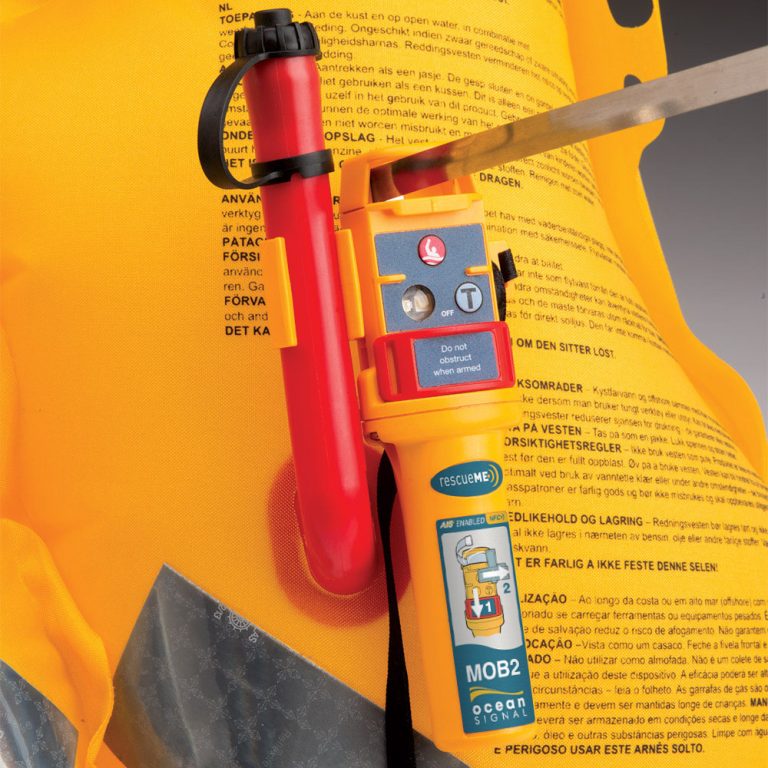
Fit the beacon before you leave the dock. The activation tape links the MOB2 to the lifejacket bladder, so inflation can deploy the antenna and activate the beacon.
- Check the fit. Confirm compatibility and fitting instructions with your lifejacket manufacturer.
- Install and arm. Follow the MOB2 manual, including tape routing, secure tethering and the armed position.
- Brief your crew. Practise the recovery procedure and learn how the beacon appears on your equipment.
Getting wet alone does not activate MOB2. Its automatic function relies on the lifejacket installation and inflation.
Two ways to get noticed
AIS position. DSC alert.
Class M capability.
AIS (Automatic Identification System) shows a position on compatible navigation equipment. DSC (Digital Selective Calling) can trigger a distress alarm on a compatible VHF radio.
MOB2 includes a DSC transmitter and receiver, enabling it to receive a DSC acknowledgement. MOB1 has a DSC transmitter only and is not Class M compliant.
Check that your vessel’s equipment supports the relevant AIS messages and DSC calls, and confirm local requirements before use.
What happens with DSC?
The current MOB2 manual specifies open-loop, all-ships DSC as the supplied setting: it alerts compatible DSC radios within range.
Closed-loop operation can be configured to address your vessel or group first. If it is not acknowledged within 12 minutes, MOB2 changes to all-ships DSC.
Acknowledgement capability depends on the receiving radio and call type. DSC functions are subject to country regulations.
Reviews & expert coverage
MOB2 in the sailing press.
Explore a dedicated product review, a buying guide and reporting on MOB2 and Class M from sailing publications.
Product review
Attainable Adventure Cruising
John Harries’ dedicated MOB2 review introduces his approach to AIS and DSC for crew-overboard recovery.
Full review requires paid membership.
Buying guide
Yachting World
Highlights MOB2’s compact shape, lifejacket-triggered activation and NFC battery checks, while noting that initial setup takes care.
Class M explainer
Practical Boat Owner
Explains the role of Class M and DSC acknowledgement, with rescueME MOB2 among the devices featured.
Launch coverage
Powerboat & RIB
Reports on MOB2’s introduction at METSTRADE, covering its compact format, AIS and DSC capabilities, and NFC connectivity.
Choose it for crew-overboard recovery
For the people on board.
Coastal cruising
Add a personal locating device to a compatible lifejacket, with your boat’s AIS and DSC equipment prepared to receive it.
Racing and delivery crews
Equip individual crew members and include beacon reception, testing and recovery in your pre-departure checks.
Offshore passages
Use MOB2 for local crew-overboard alerting as part of your wider safety plan, alongside suitable satellite distress equipment.
Sailing solo or travelling beyond nearby vessels? Consider the PLB3 below for 406 MHz satellite distress alerting as well as AIS.
NFC · Ocean Signal mobile app
Know your beacon before you need it.
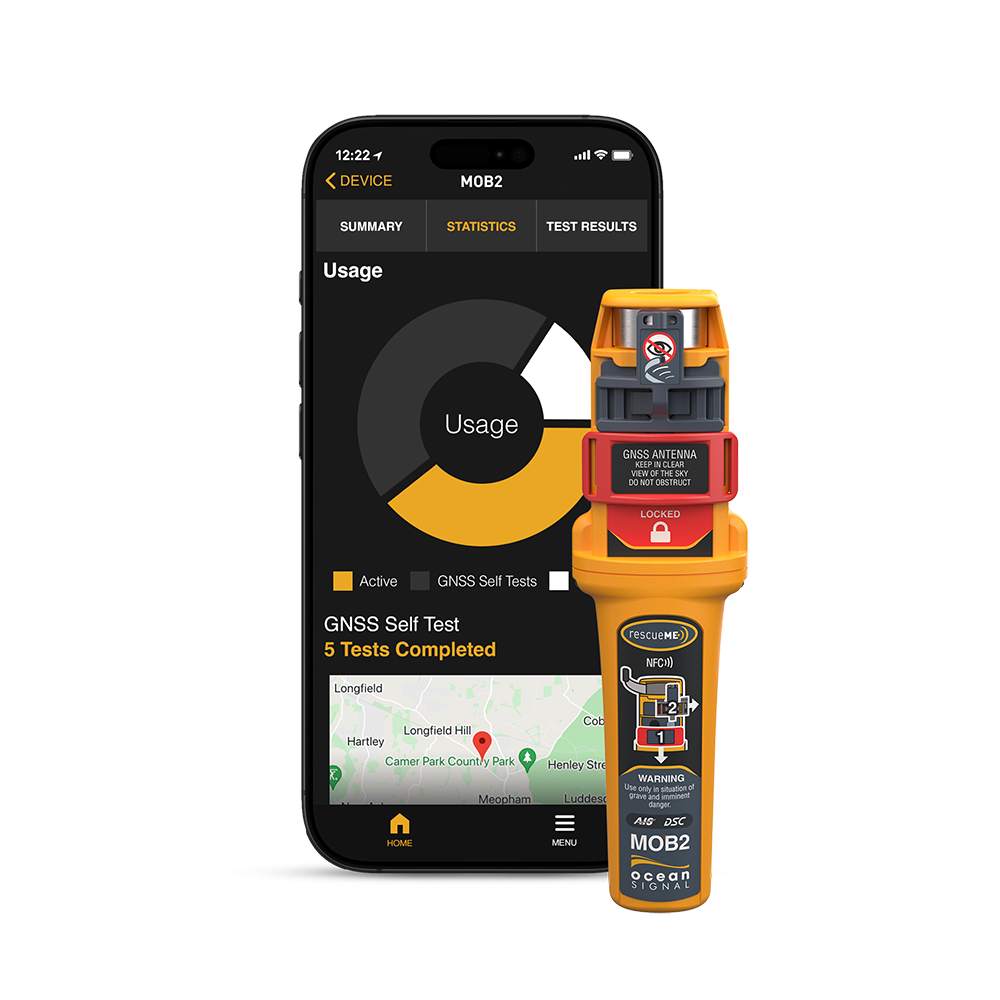
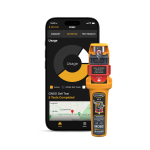
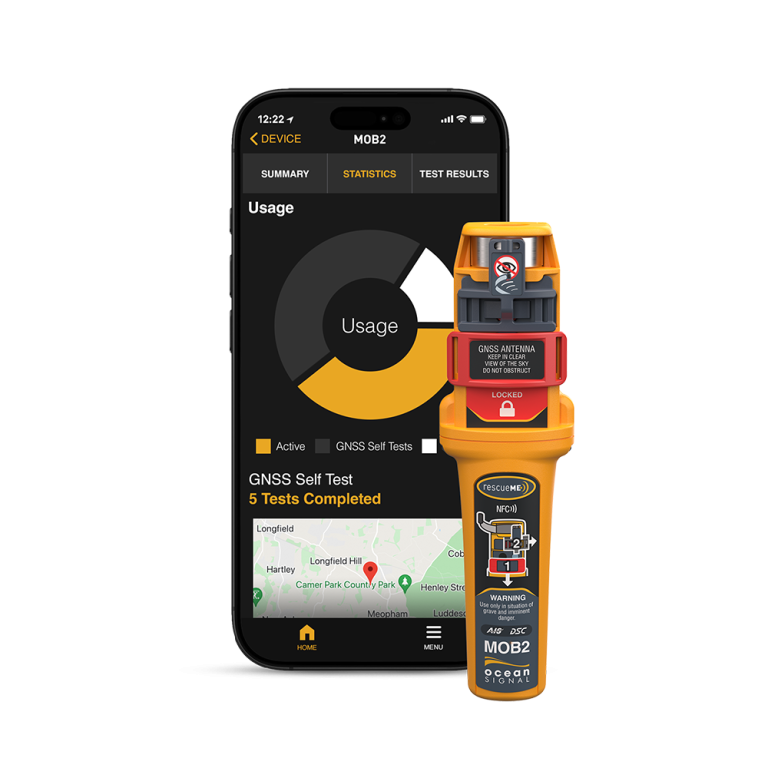
Hold a compatible NFC-enabled phone close to MOB2 to review battery information and stored test results in the Ocean Signal app.
Use the app to enter your vessel’s MMSI and manage supported settings. Check the current manual before changing the DSC operating mode.
No mobile signal is needed to transmit an MOB2 emergency alert. AIS and DSC use marine VHF radio. The phone connection is for setup and checks, not live rescue tracking.
Local crew recovery or satellite distress alerting
MOB2 or PLB3? Choose the alerting you need.
Both can transmit AIS position information. The key choice is whether you want Class M DSC alerting or a personal satellite distress beacon.
| Your priority | rescueME MOB2 | rescueME PLB3 |
|---|---|---|
| Primary role | Local man overboard alerting and locating | Personal distress alerting through satellites, plus local AIS |
| AIS position broadcasts | Yes | Yes |
| VHF DSC transmitter and receiver | Yes · Class M | No |
| 406 MHz satellite distress alert | No | Yes · Cospas-Sarsat |
| 121.5 MHz homing and RLS | No | Yes |
| Lifejacket activation | With correct compatible fitting and arming | With correct compatible fitting and arming |
On smaller screens, swipe the table to compare. RLS confirms receipt of a satellite distress message and detected location; it does not confirm that a rescue is on its way.
Planning for more than one person?
Equip the rest of your crew.
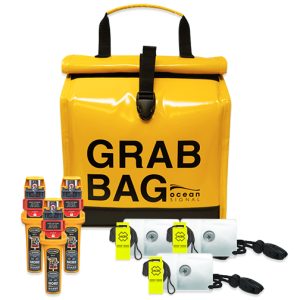
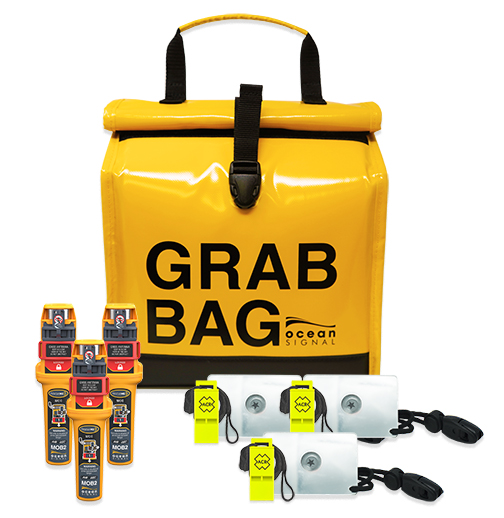
The MOB2 Sailing Safety Kit brings together three MOB2 beacons, an Ocean Signal grab bag, three signal mirrors and three whistles.
Prepare a beacon for each intended wearer and confirm the fit for each lifejacket. Keep the grab bag accessible as part of your onboard emergency plan.
The details that matter
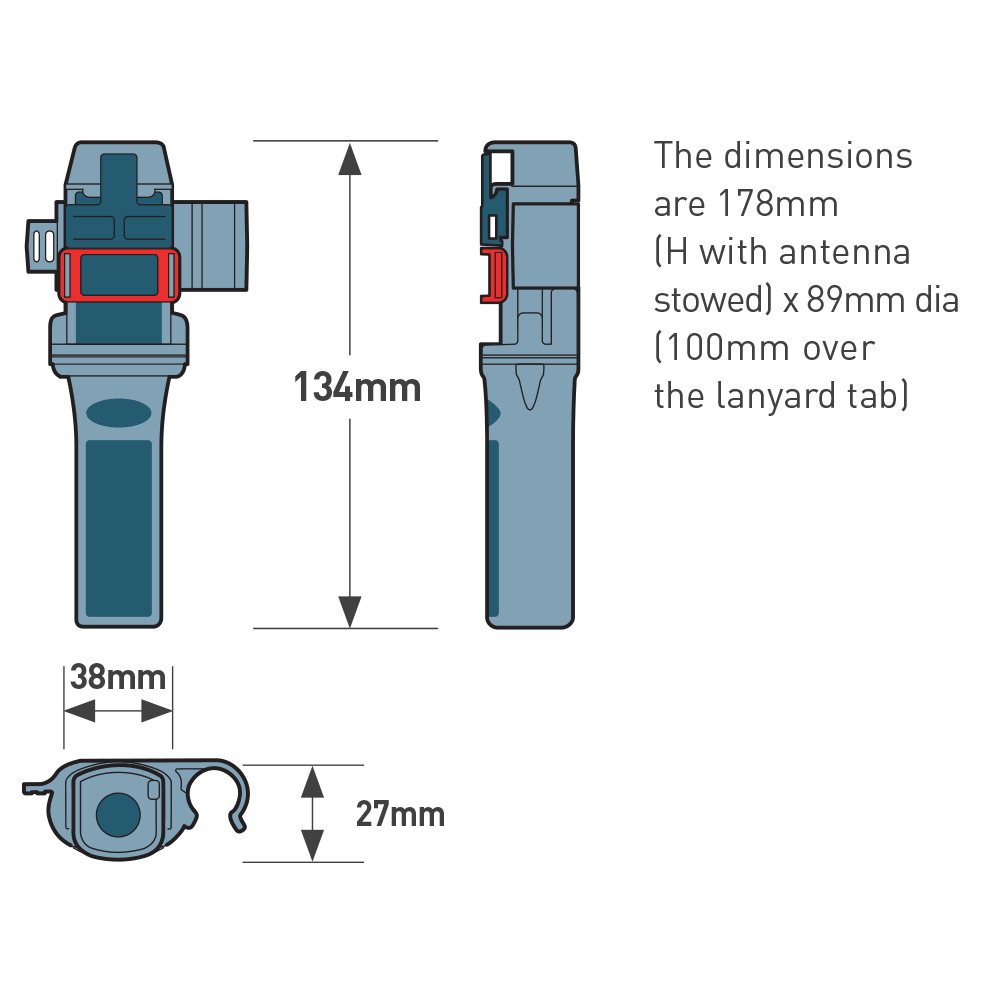
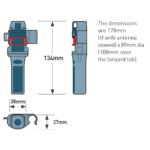
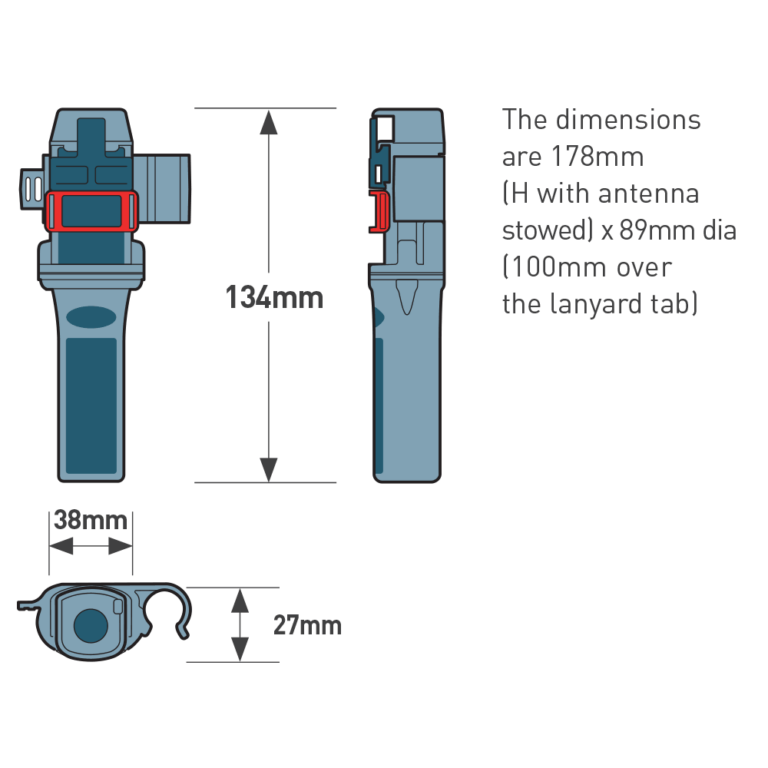
Compact enough for your lifejacket.
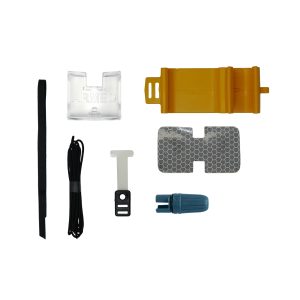
Included with your MOB2
- rescueME MOB2 beacon
- Oral tube bracket and activation tape
- Fixing buckle and adhesive buckle patch
- Cord, antenna winder and protective ARMED cover
- Quick Start Guide
Lifejacket not included. Your lifejacket design may need a different fitting method or accessory.
Before your next trip
Simple to own. Important to prepare.
Check the electronics
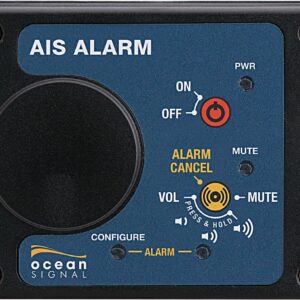
Confirm that your AIS display recognises MOB targets and your VHF radio supports the relevant DSC calls. Follow the prescribed test procedure.
Follow the test schedule
Use the manual’s functional/DSC and AIS/GNSS test modes. Testing too frequently can reduce the battery reserve available in an emergency.
Plan battery service
Replace the battery before its marked expiry date and after emergency use. Battery changes must be carried out by an authorised Ocean Signal centre.
Customer feedback
Trusted by Ocean Signal customers.
Feedback from Ocean Signal’s combined review feed covers products and service across the brand, including products other than MOB2.
Choosing, fitting and owning your beacon
Your MOB2 questions, answered.
Select a question to expand the answer.
Does MOB2 alert the coastguard through satellites?
MOB2 transmits AIS and DSC alerts over local VHF radio. It has no 406 MHz satellite transmitter. For personal satellite distress alerting as well as AIS, consider rescueME PLB3.
Will MOB2 activate automatically if I fall overboard?
It can activate when a compatible inflatable lifejacket inflates, provided MOB2 has been correctly fitted and armed. It is not activated simply by contact with water. Manual activation is also possible; read the full instructions before use.
Will it work with my lifejacket and chartplotter?
Check your exact lifejacket model with its manufacturer. Your AIS receiver/display and DSC VHF radio must support the relevant MOB messages and calls. Confirm equipment compatibility and carry out the manual’s tests before relying on the system.
Is MOB2 the same as pressing the MOB button on my chartplotter?
No. A chartplotter’s MOB waypoint records a position at the time it is marked; it does not track the person. Once MOB2 acquires a GNSS fix, it transmits updated positions by AIS to compatible receivers in range. Keep your crew’s visual lookout and practised recovery procedure.
How far away can other boats receive the alert?
AIS and DSC work within VHF radio range. Reception varies with sea conditions, antenna height, obstructions and the receiving equipment. Plan for local alerting and locating rather than a guaranteed distance.
Do I need to program my vessel’s MMSI?
The current manual recommends adding your vessel’s MMSI through the Ocean Signal app for DSC testing. MOB2 is supplied in open-loop DSC mode. Closed-loop operation requires the appropriate MMSI and configuration. Your vessel’s MMSI does not replace MOB2’s factory-assigned identity.
Does MOB2 need a phone or mobile coverage?
No phone or mobile network is required for emergency AIS and DSC transmissions. A compatible NFC-enabled phone is used for setup, battery information and stored test results.
What is the difference between MOB1 and MOB2?
MOB2 adds a DSC receiver as part of its Class M capability, plus NFC app connectivity and an infrared strobe alongside the white strobe. MOB1 has a DSC transmitter but no DSC receiver. Consult local rules when choosing or continuing to use an older beacon.
How long does the battery last?
The specification gives more than 24 hours of emergency operation at −20°C and a five-year battery storage life. Follow the expiry date on the unit. An authorised service centre must replace the battery after emergency use or before expiry.
Give your crew a position to follow.
Choose rescueME MOB2 for compact, lifejacket-integrated AIS and DSC man overboard alerting. Fit it correctly, check your equipment and make it part of your crew’s recovery plan.
DSC availability and use are subject to national regulations. Contact Ocean Signal if you need help choosing the right product for your location.