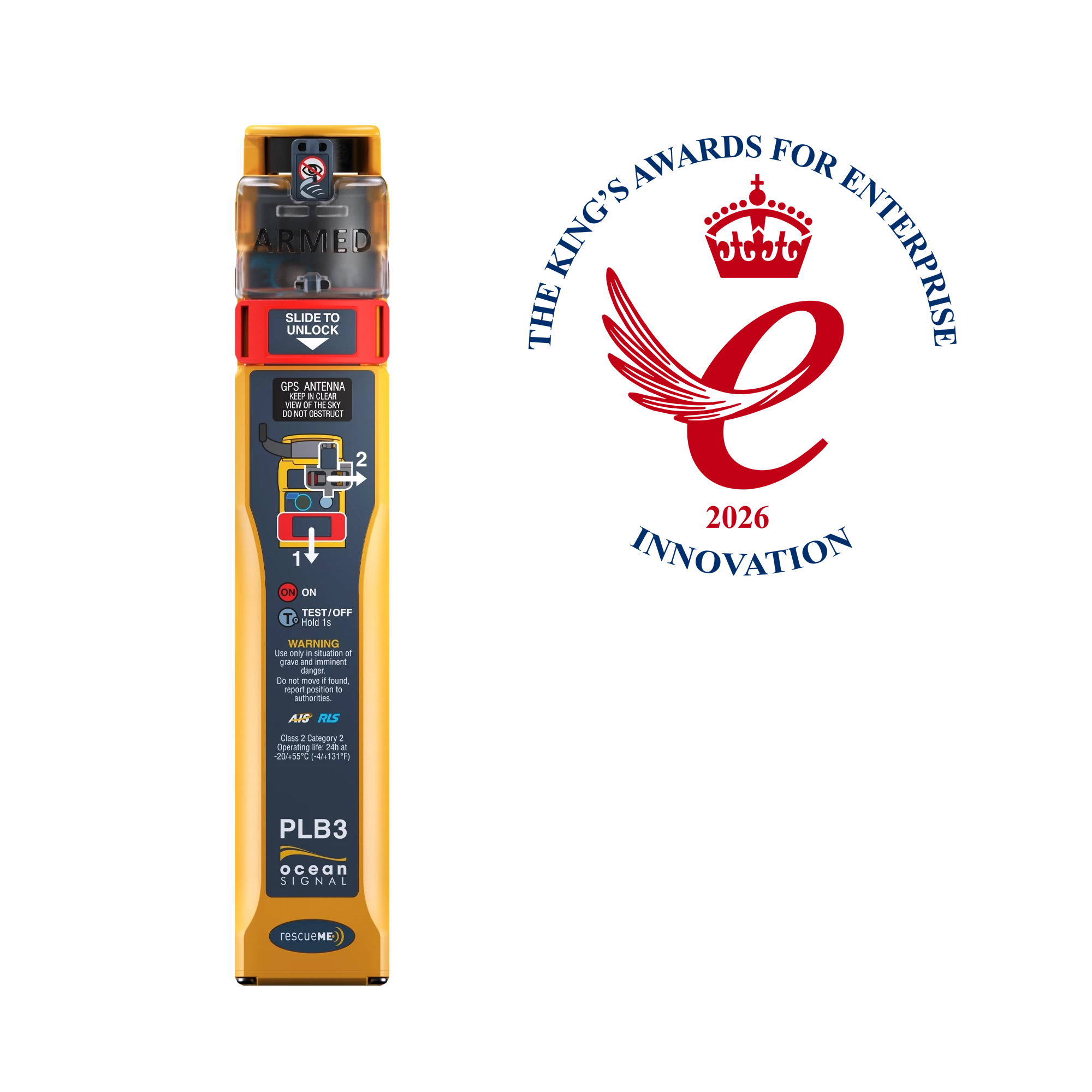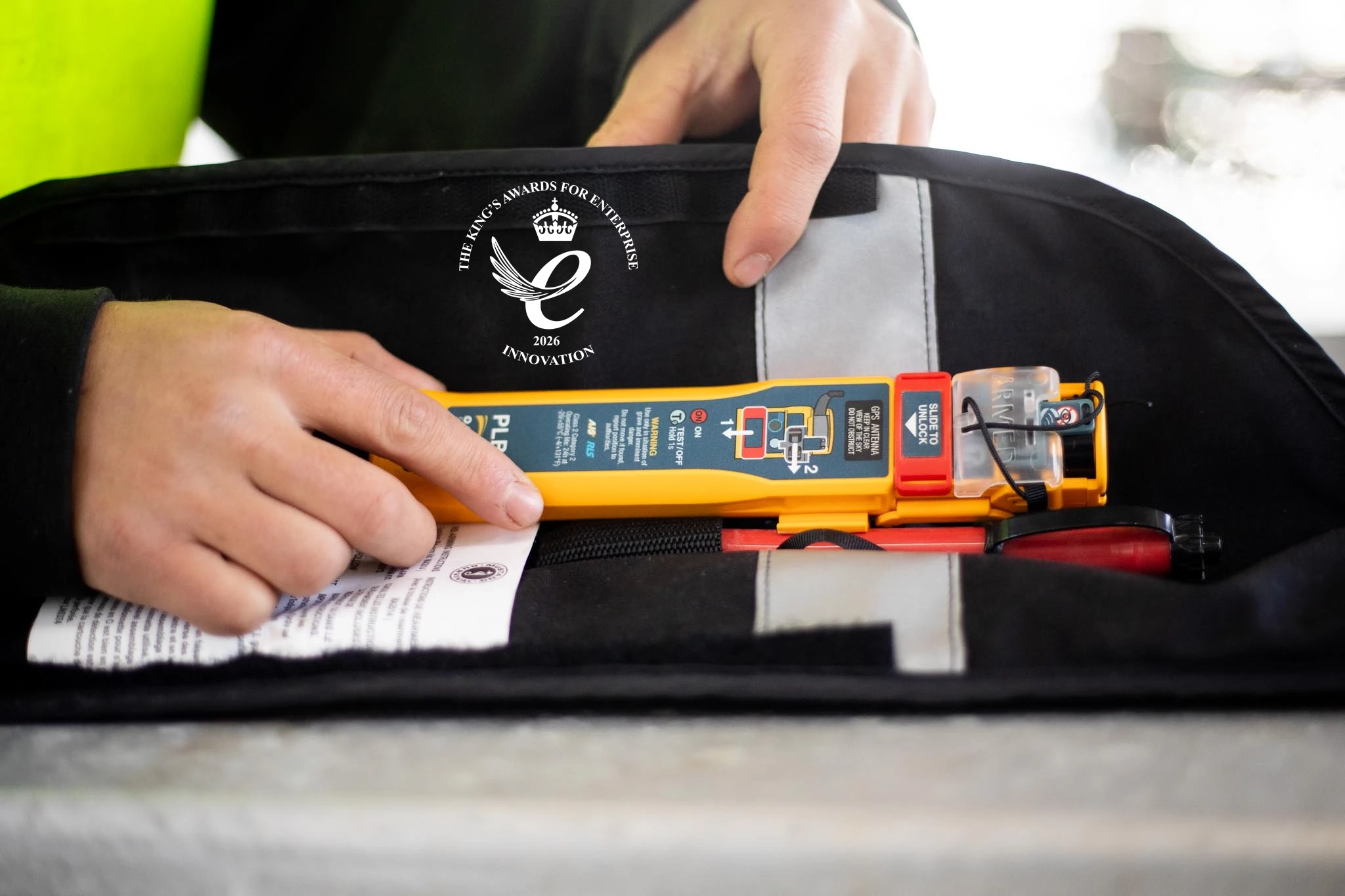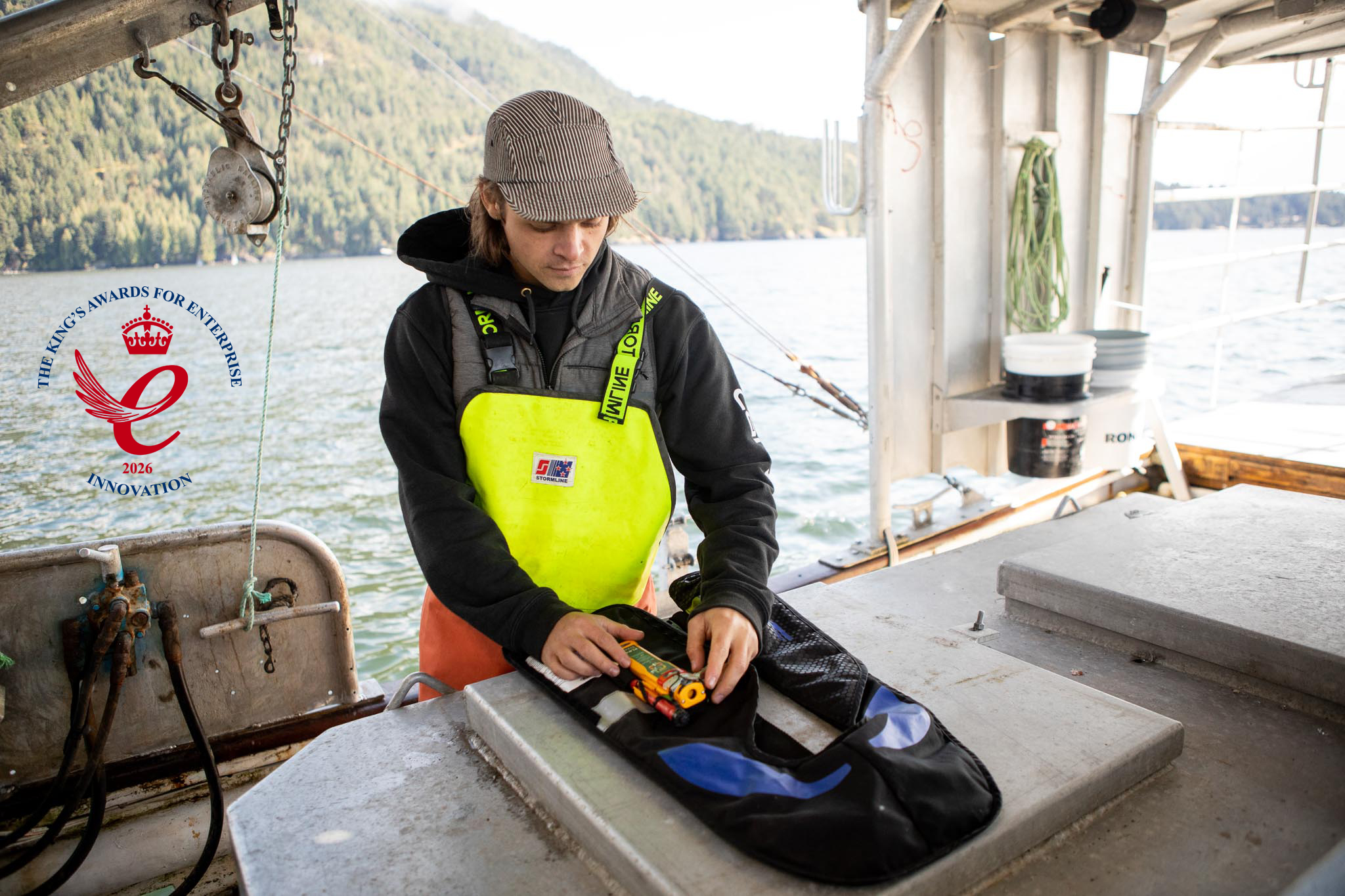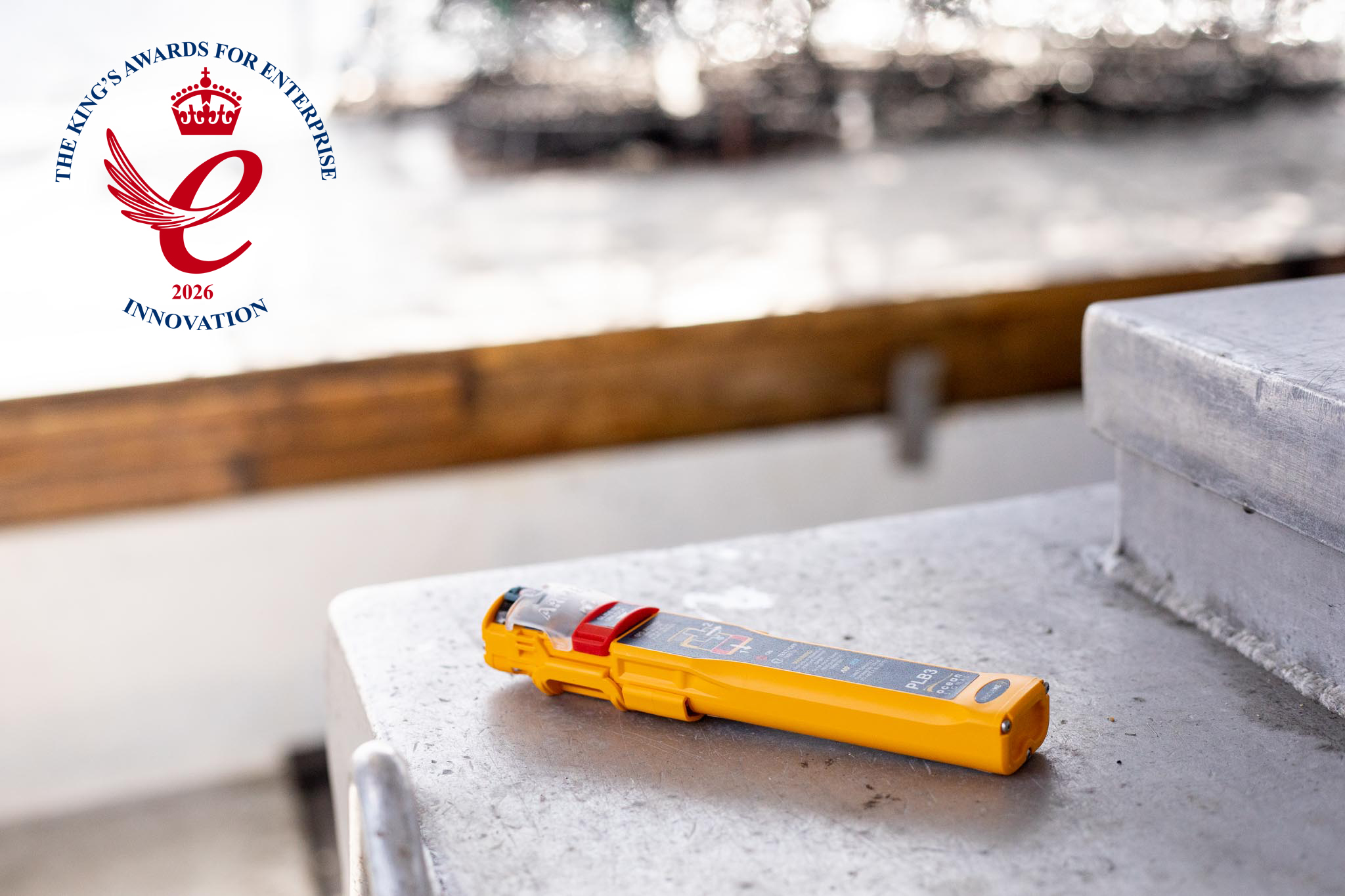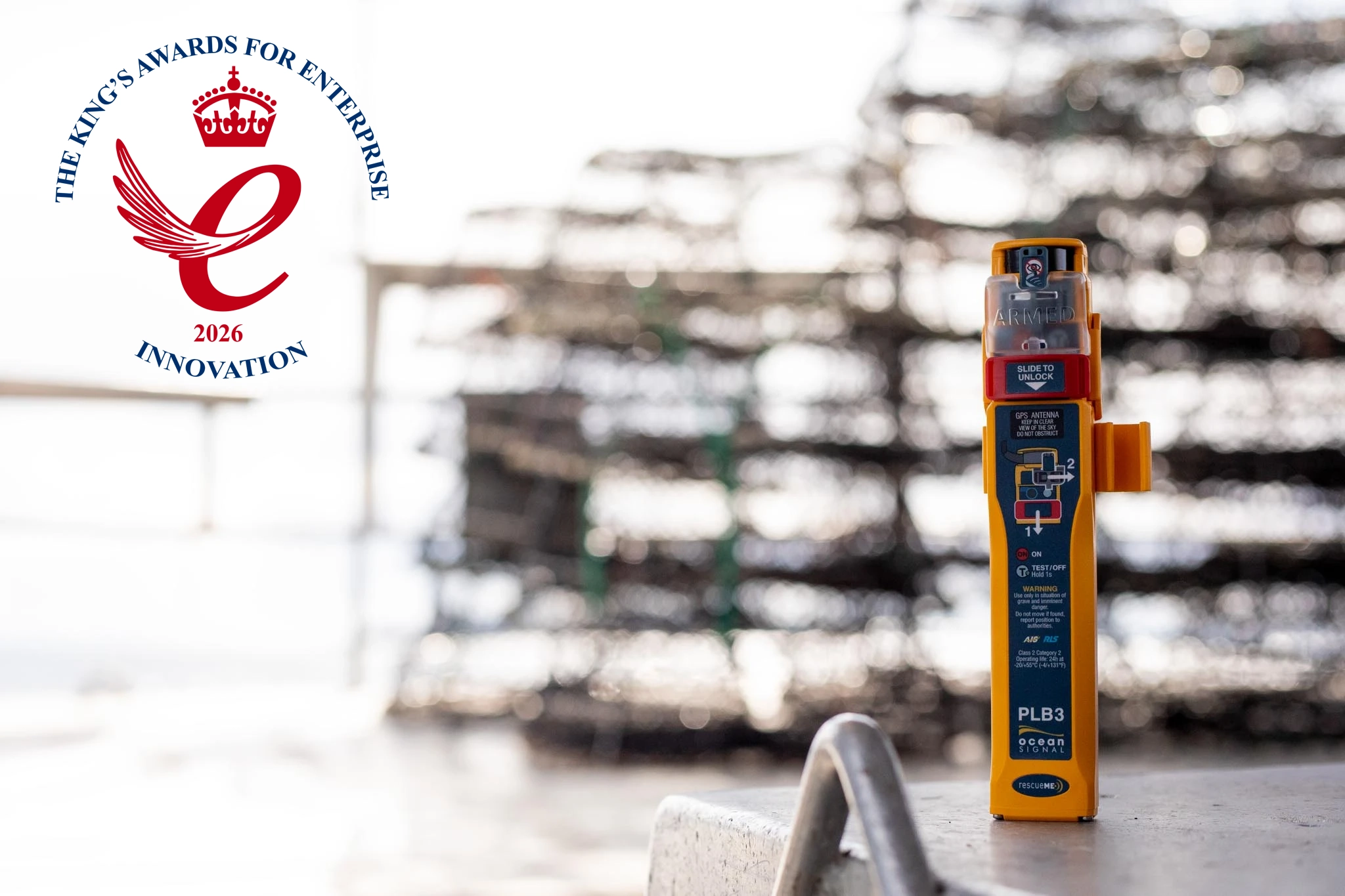
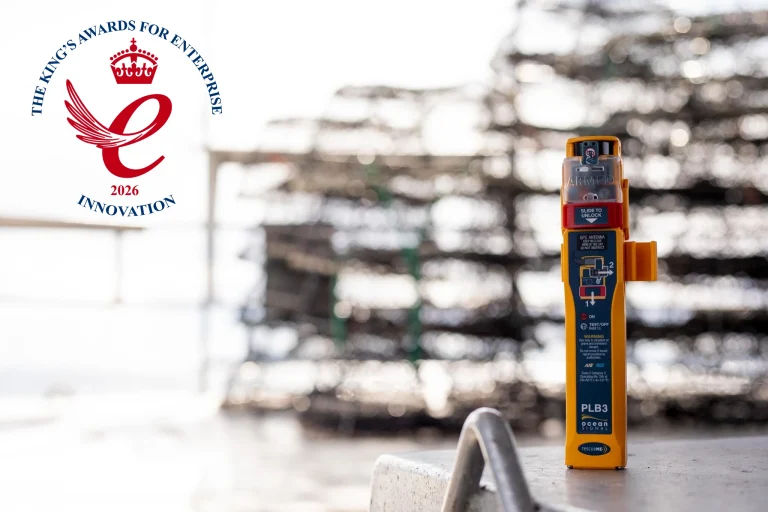




rescueME PLB3 AIS Personal Locator Beacon

4.8/5 Ā· Ocean Signal customer reviews

For land, sea and air. Satellite rescue alerting + local AIS visibility.

  • Lifejacket activation1 + manual activation
  • RLS: confirms your alert was received
  • No subscription Ā· No mobile signal required
  • 24+ hours Ā· 121.5 MHz homing Ā· NFC app

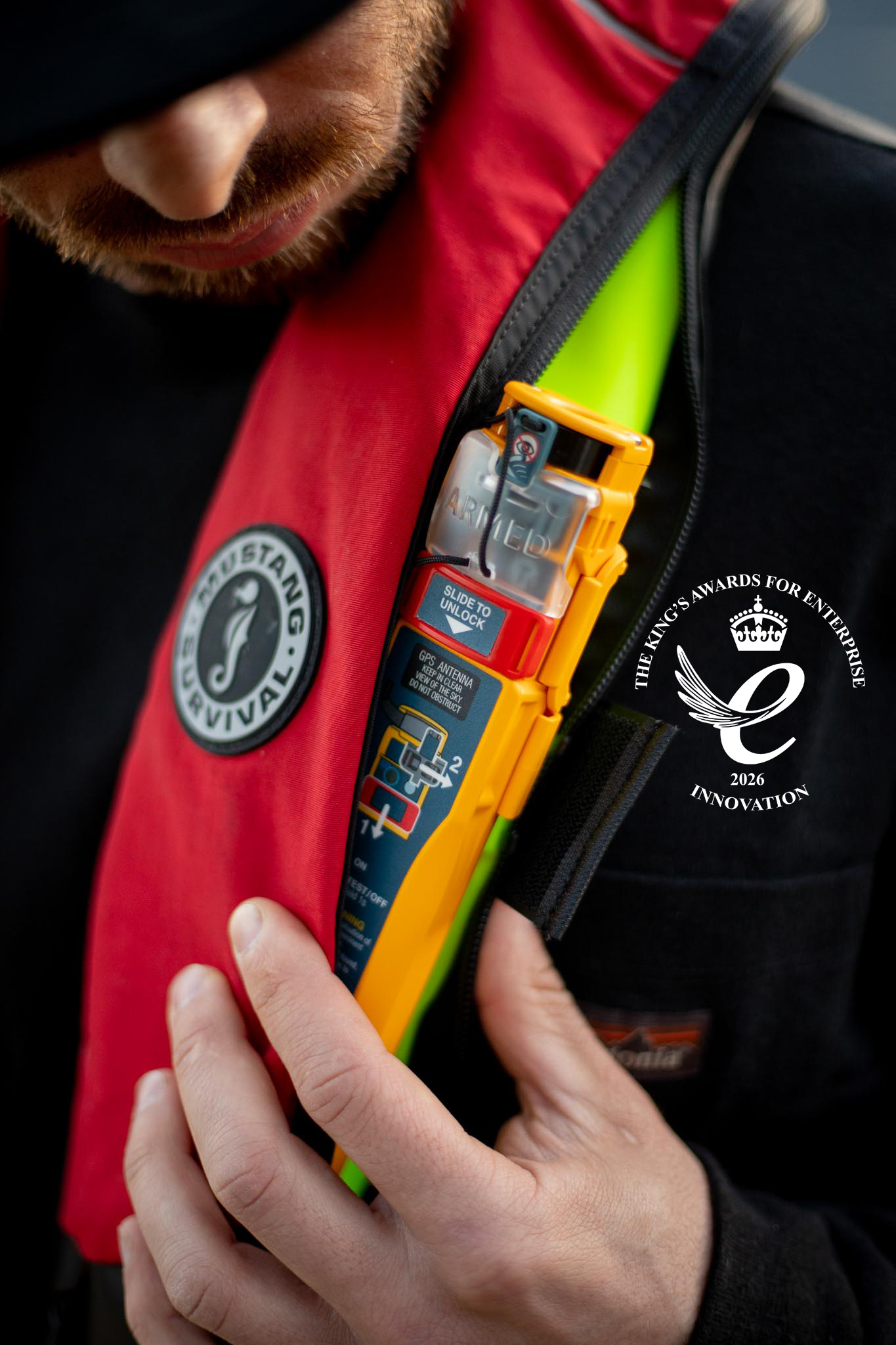
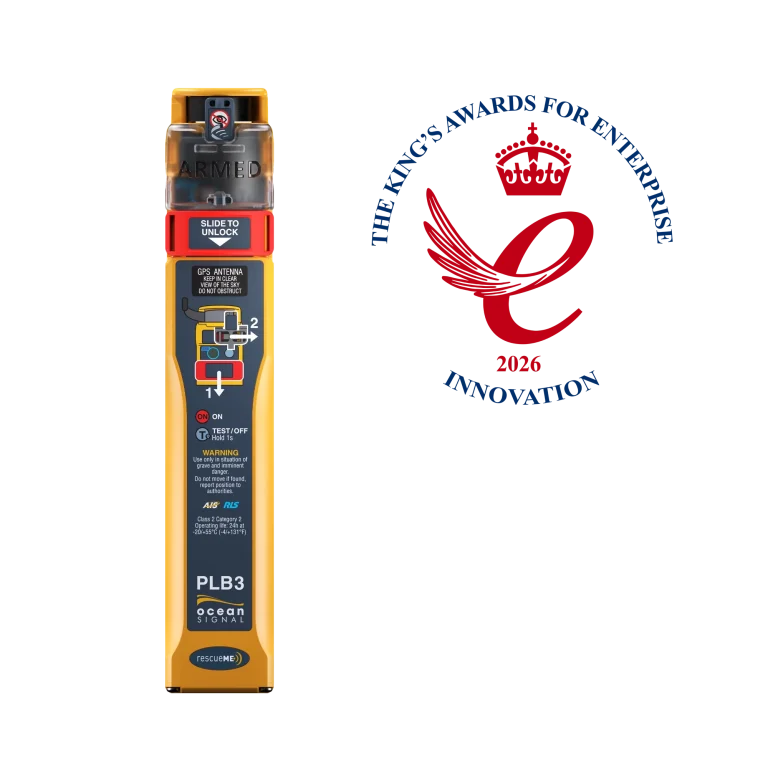
PBO 5/5 Ā· šŸ† DAME 2022 Ā· King’s Award 2026

1 Requires correct fitting and arming in a compatible inflatable lifejacket.

Find a dealer

🟢 In Stock | Next-Day Shipping — order before 11:30 AM

Trust badge logo Trust badge logo Trust badge logo

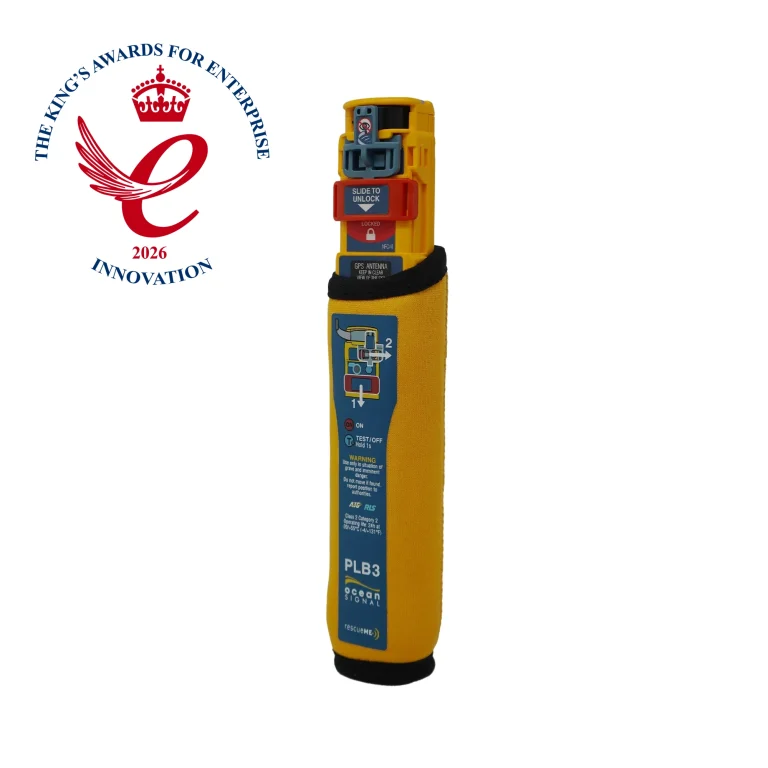
FREE PLB3 Floatation Pouch: Add a PLB3 Floatation Pouch and use code PLB3Pouch at checkout.
Made in the UK šŸ‡¬šŸ‡§ | 2-5-year warranty (Registered) | Free ReturnsĀ 

SKU: 732S-03668

Categories: Life Jacket Compatible, Personal Locator Beacons, Personal Locator Beacons, rescueME

rescueME PLB3 AIS Personal Locator Beacon

One PLB. For land, sea and air.
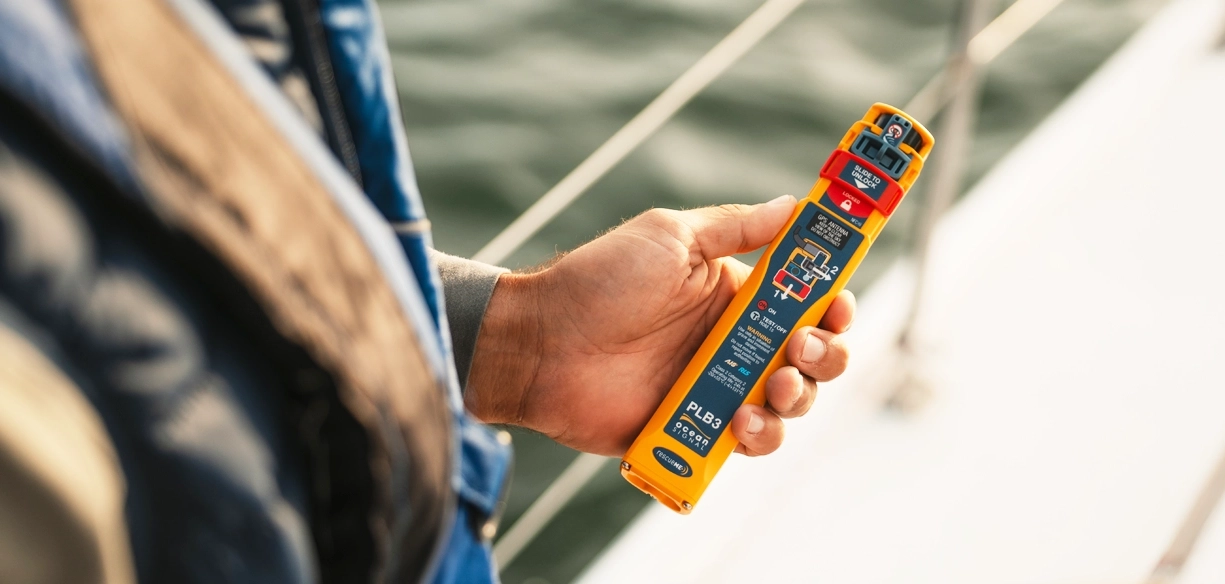
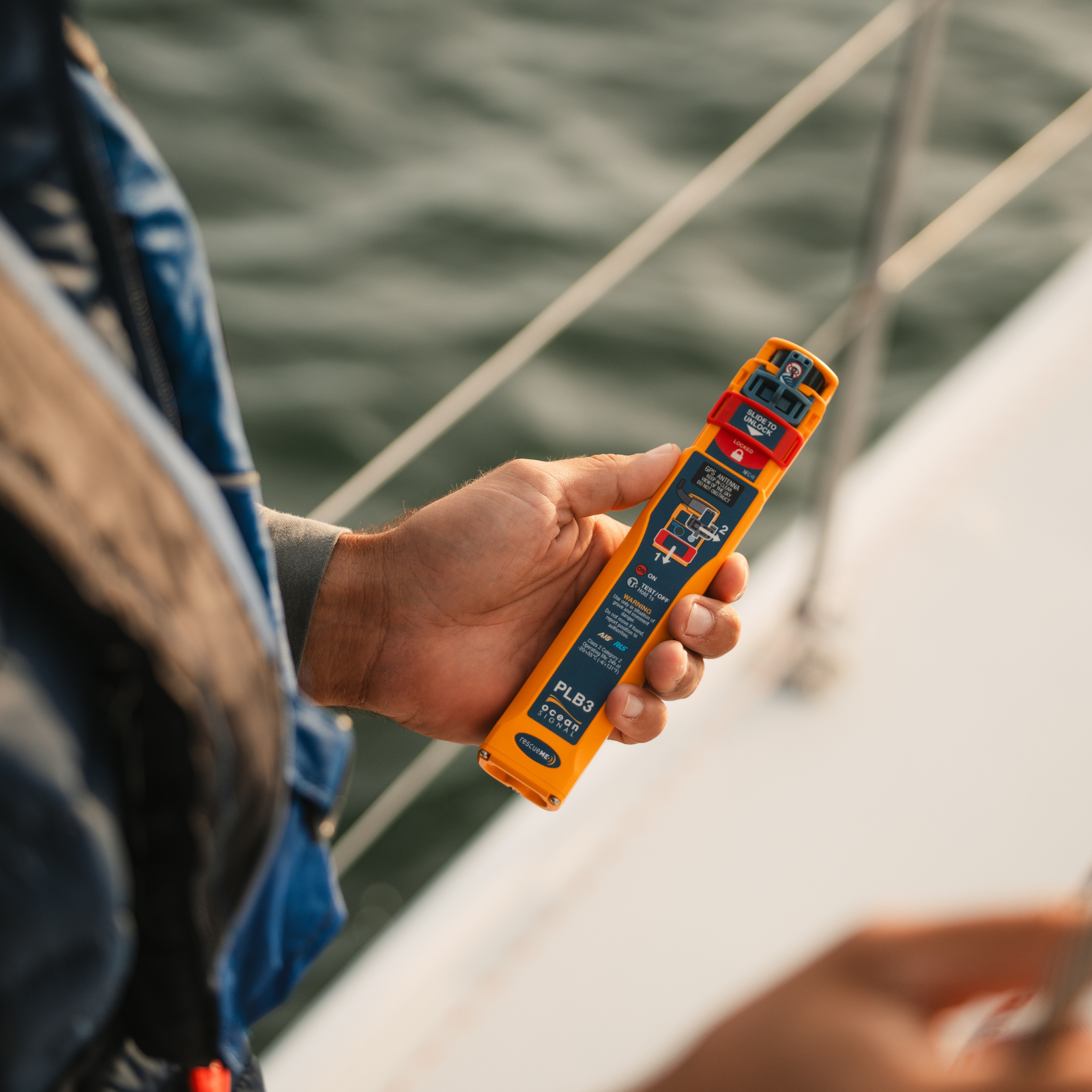
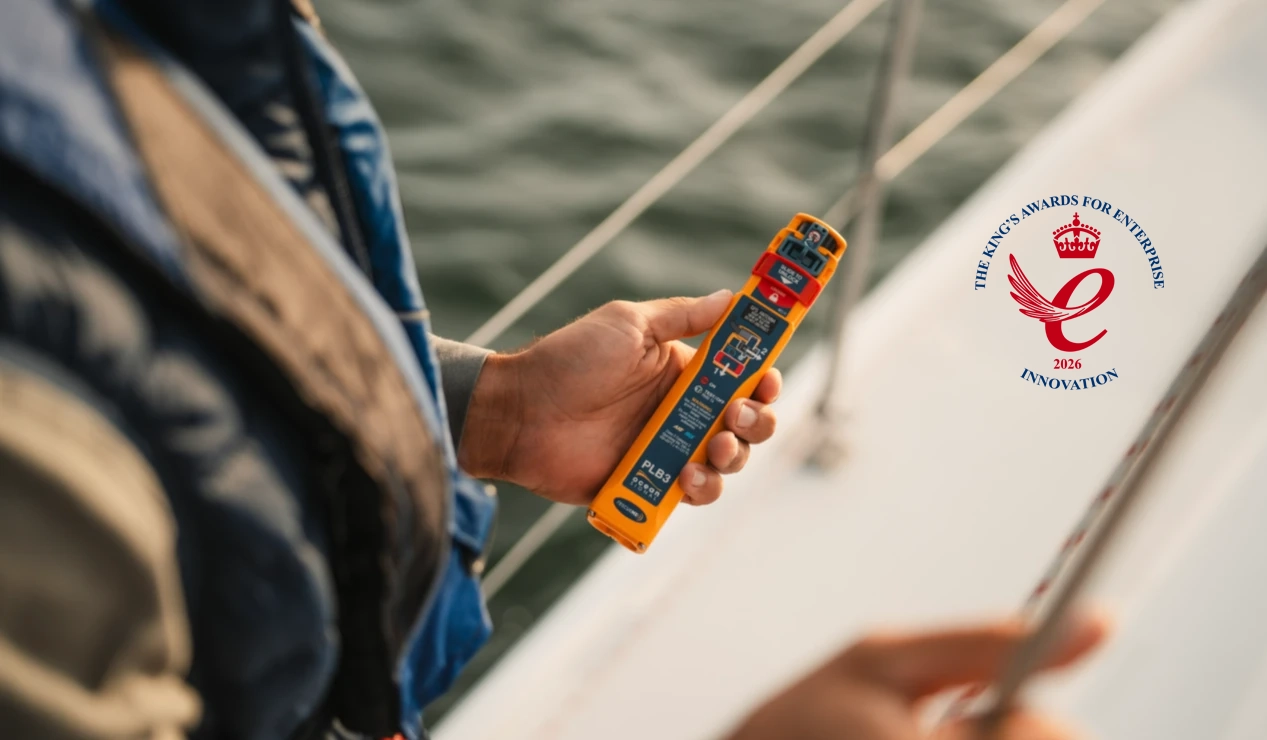
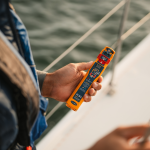
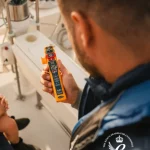
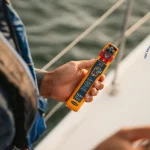
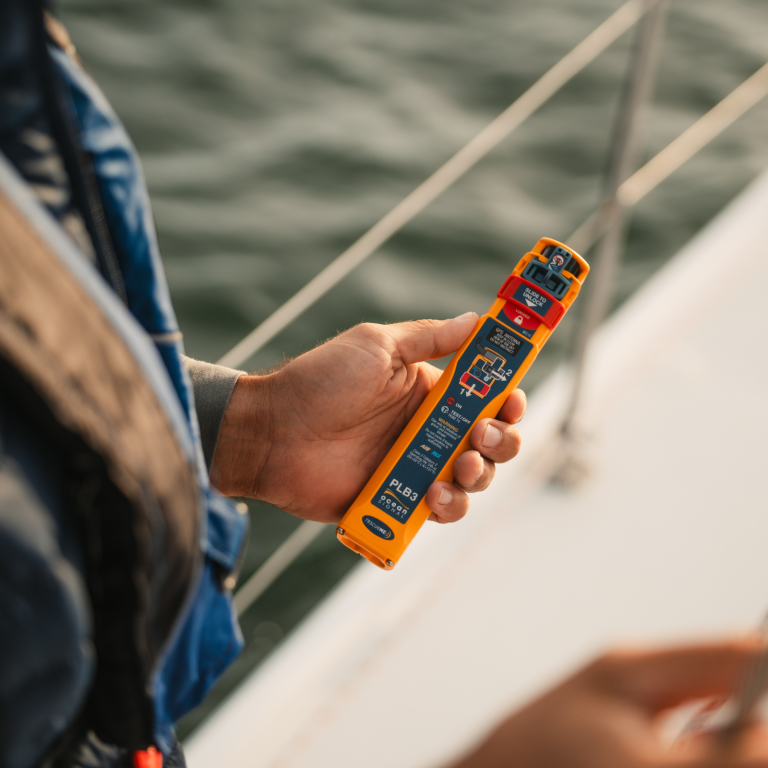
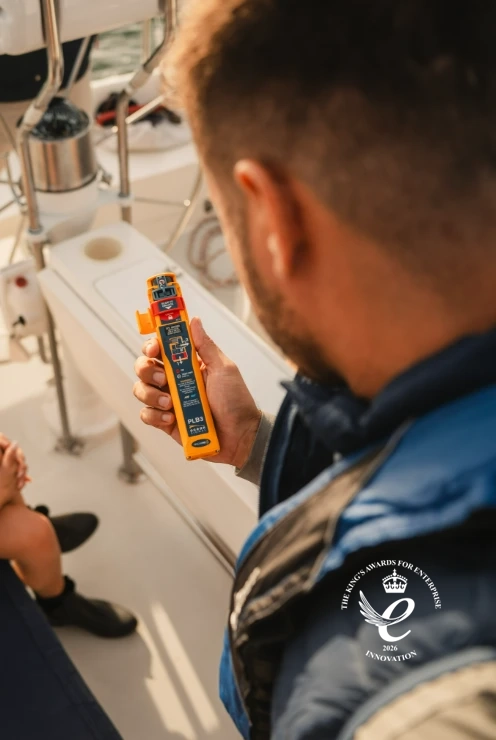
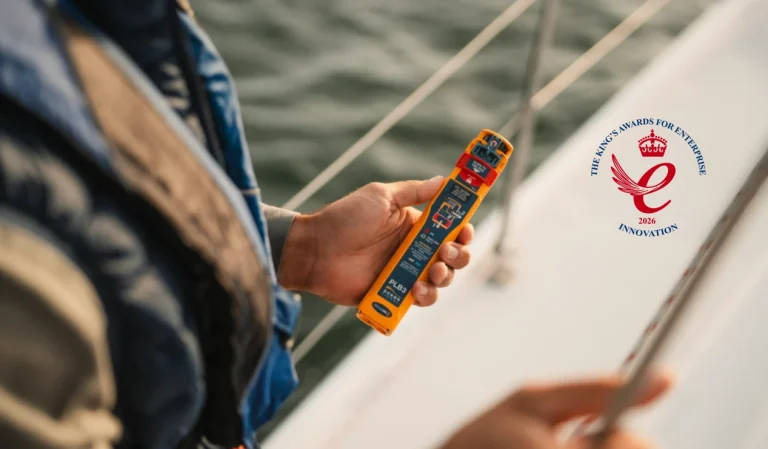
rescueME PLB3 held on board a sailing yacht

Ocean Signal rescueME PLB3 is an AIS Personal Locator Beacon combining 406 MHz satellite distress alerts through Cospas-Sarsat with local AIS broadcasts. It can activate through a correctly fitted compatible inflatable lifejacket, or be carried independently and activated manually. No subscription or mobile signal is required.

Who is the PLB3 for?

From days afloat to remote trails and flying, carry a dedicated way to call for help in a life-threatening emergency.

Hiker in alpine terrain with a rescueME PLB3 attached to an orange backpack

LAND

Hikers & explorers

For hiking, hillwalking and remote adventures beyond mobile coverage. Manually activate your personal beacon when you need emergency help.

Use the supplied belt/webbing clip as instructed and secure the lanyard.

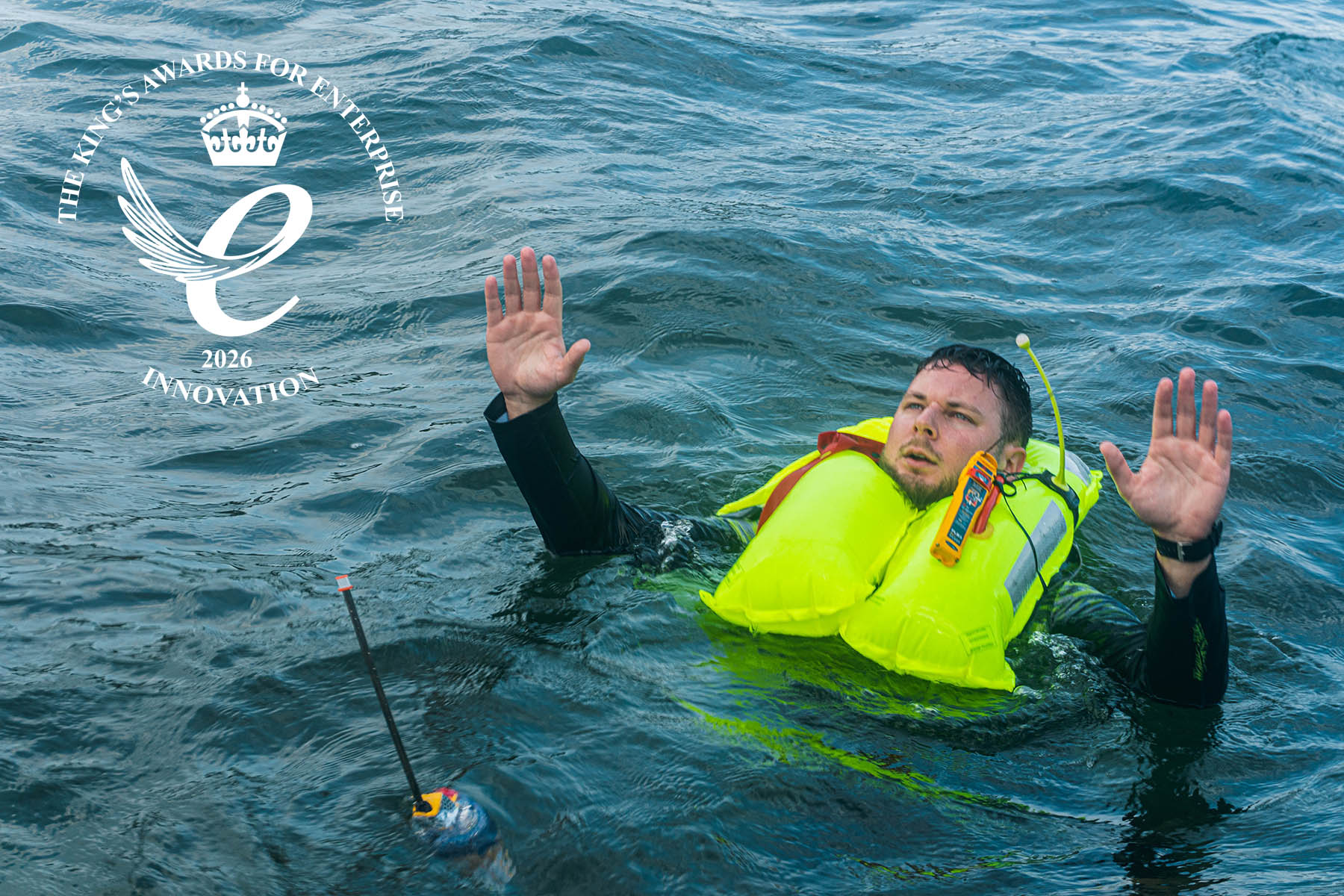
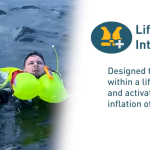
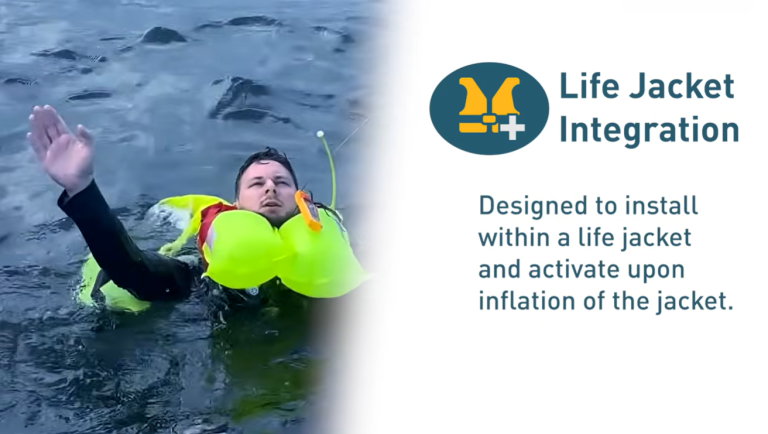
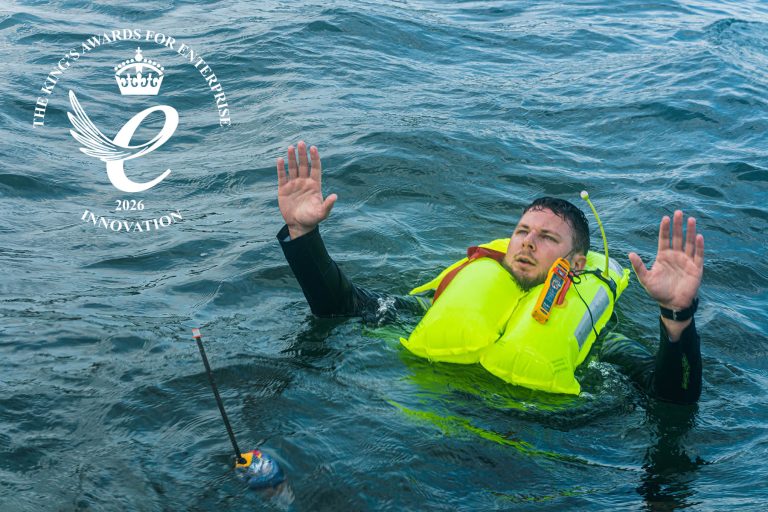
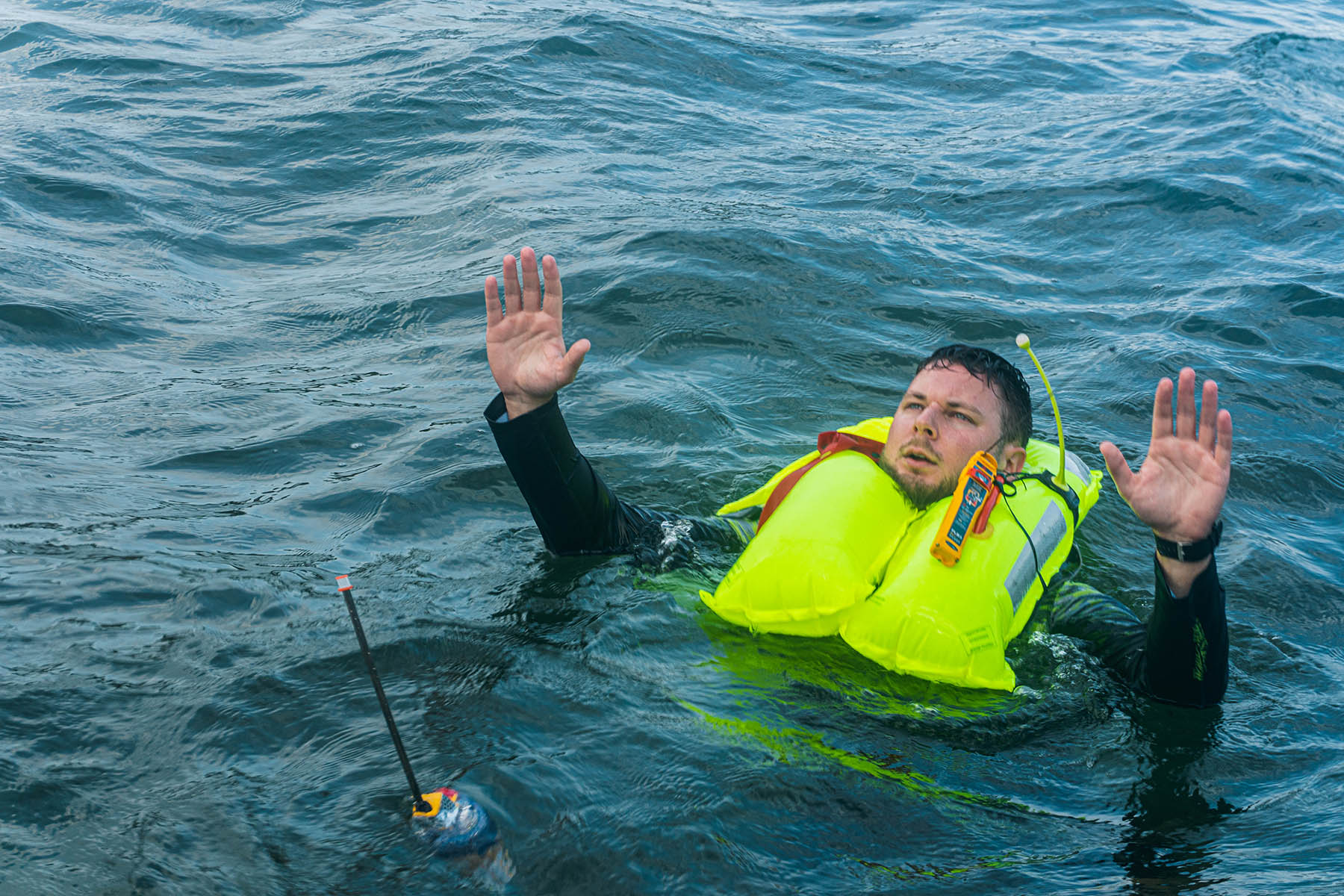
In-water demonstration with an inflated lifejacket and deployed PLB3 antenna

Water

Sailors & crews

For sailing, boating and offshore adventures. Satellite alerting reaches the rescue network; AIS shares your position with nearby equipped vessels.

Compatible lifejacket integration can trigger activation on inflation.

Two pilots wearing lifejackets in a light-aircraft cockpit

AIR

Pilots & aircrew

For ferry flying, remote terrain and oceanic flights. Activate the PLB3 manually, or automatically on inflation when correctly fitted to a compatible inflatable lifejacket.

Personal survival equipment alongside your aircraft’s required emergency equipment.

Combined satellite + AIS alerting

Satellite rescue alerting. Local AIS visibility.
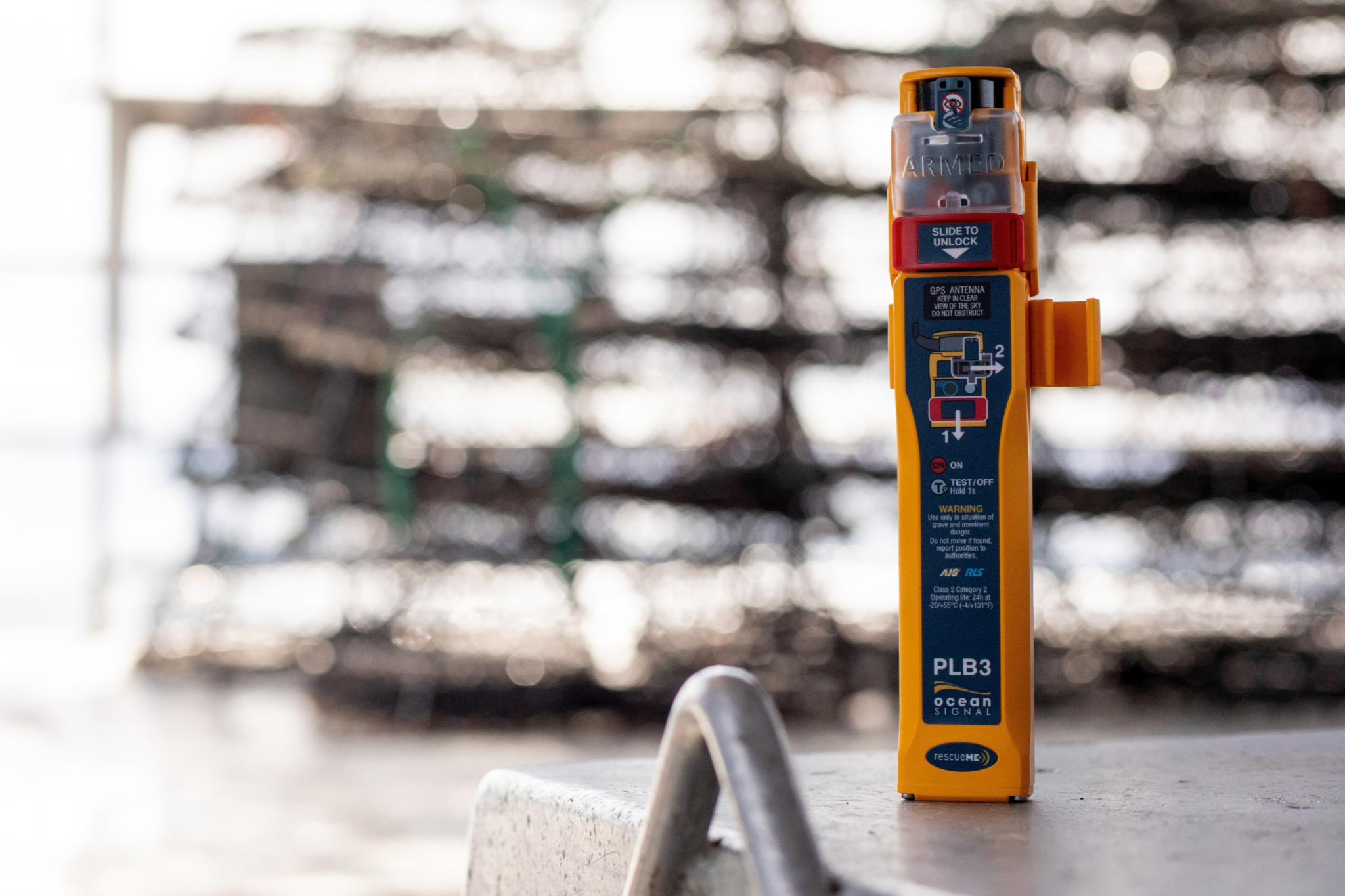
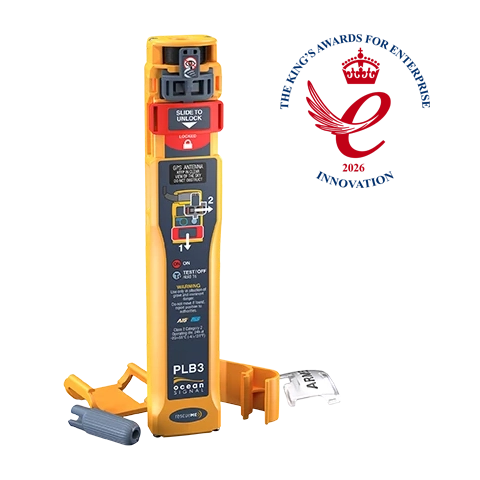
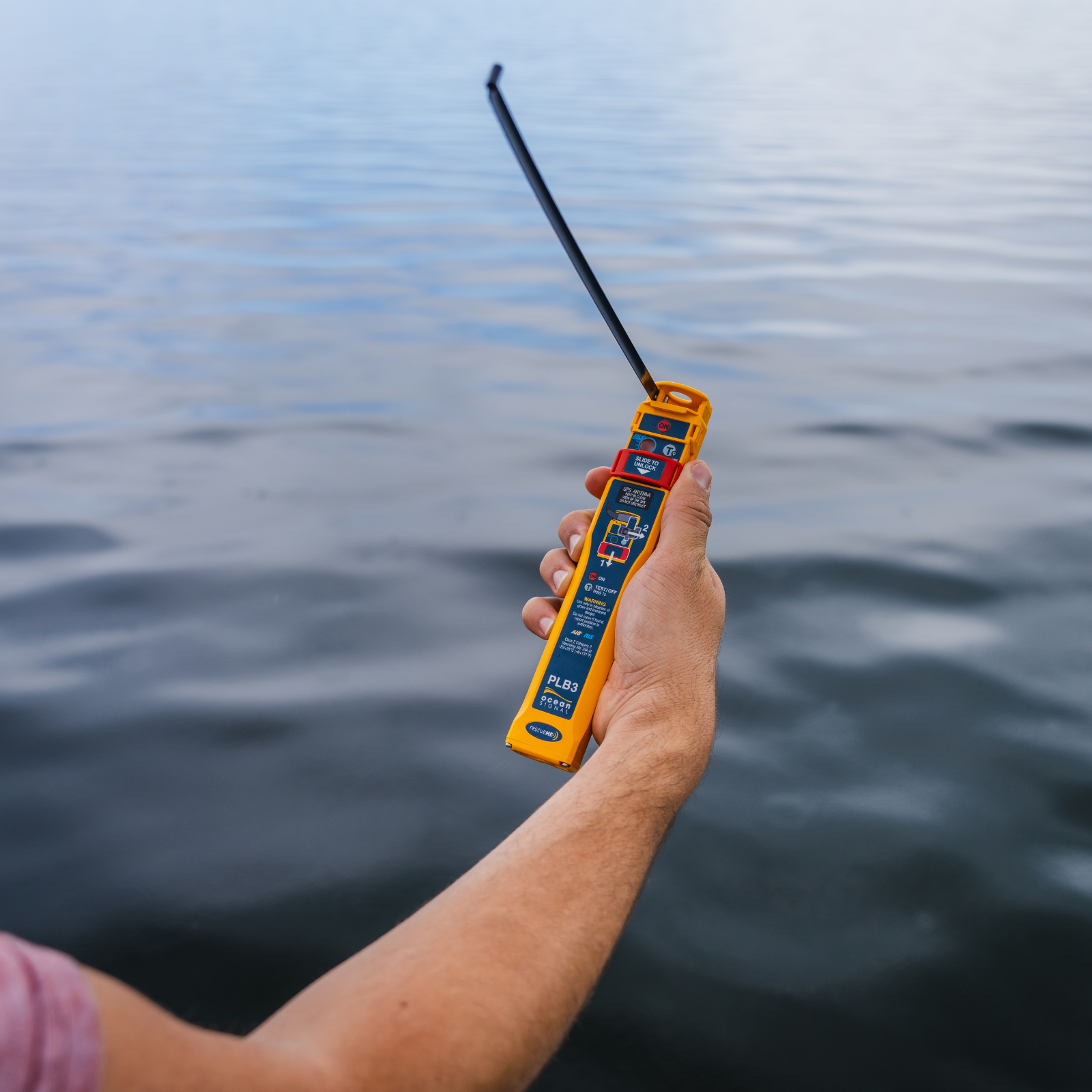
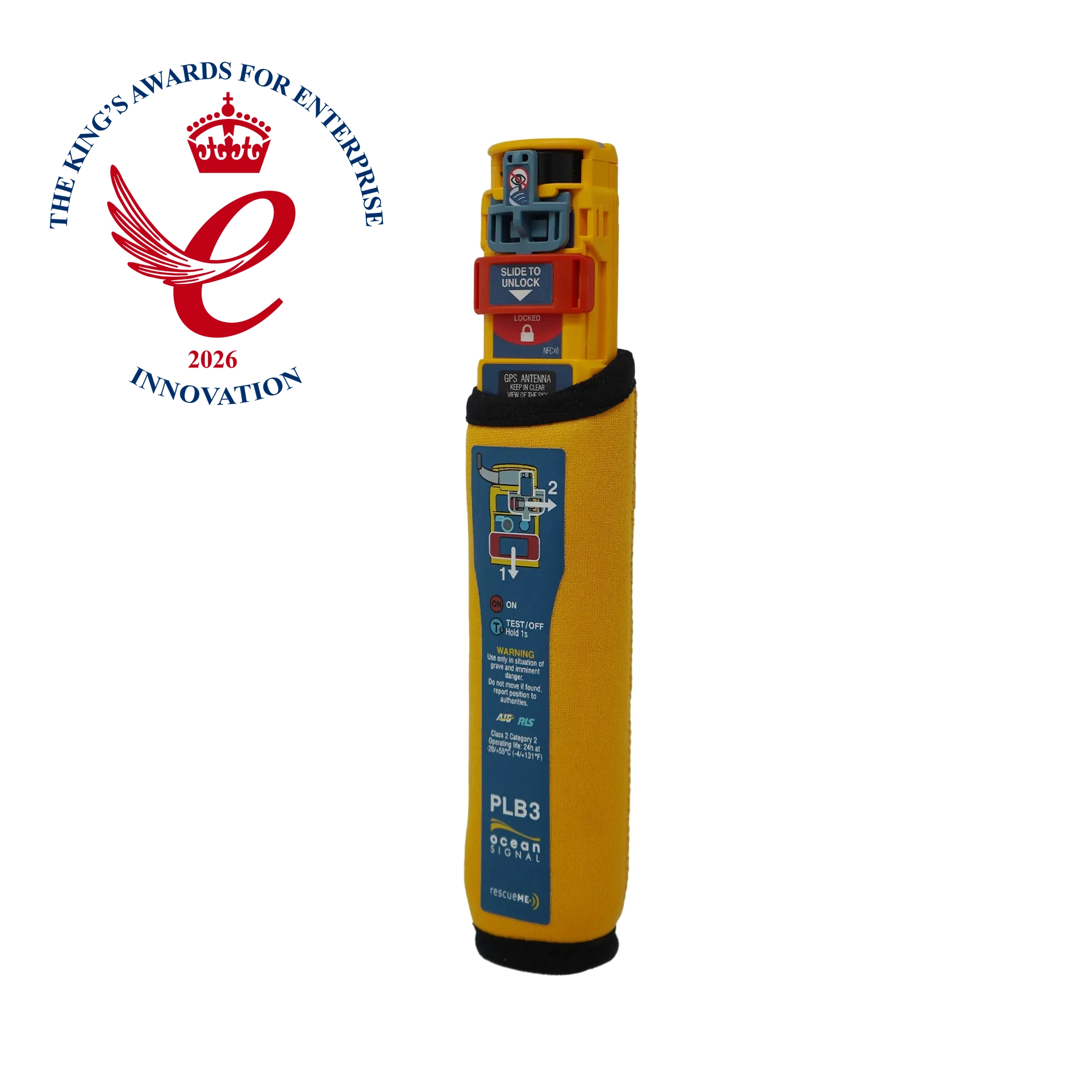
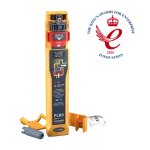
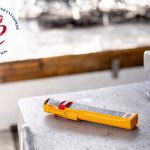
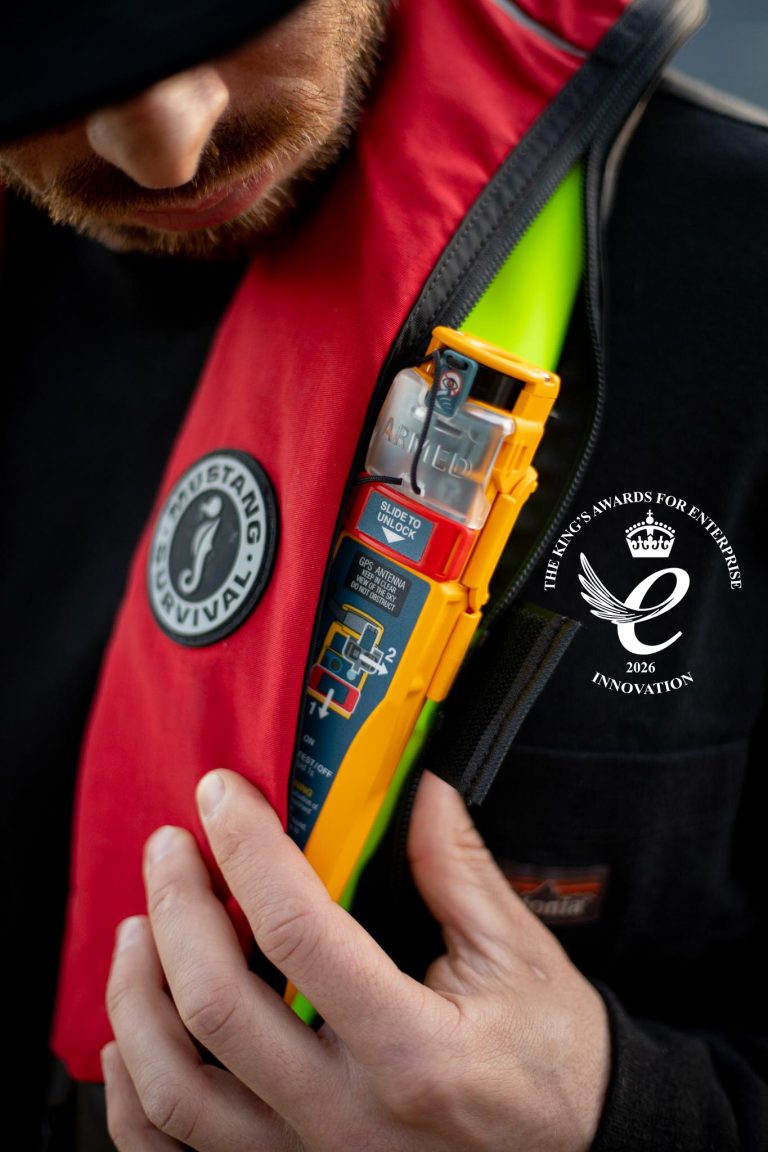
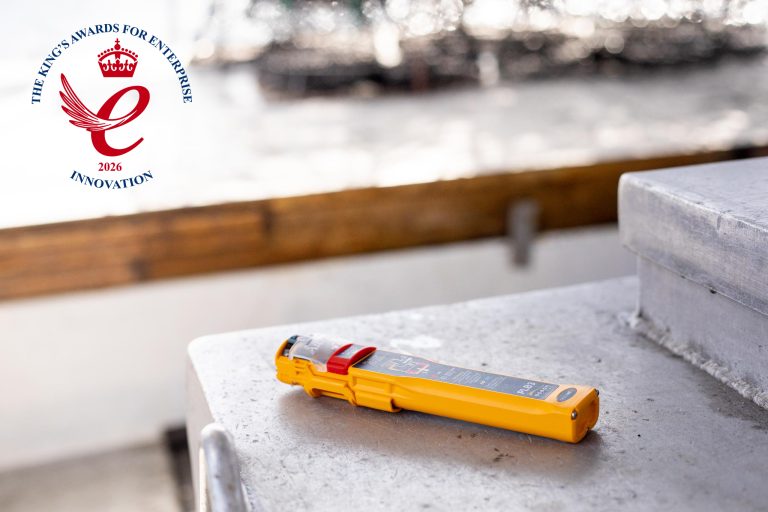
Ocean Signal rescueME PLB3 AIS personal locator beacon, front view by the water

Satellite alerts reach rescue authorities through Cospas-Sarsat. AIS (Automatic Identification System) broadcasts your position to nearby vessels with compatible receiving equipment, within radio range.

  • 406 MHz + AIS
    Global distress alerting and local position broadcasts.
  • Return Link Service (RLS) acknowledgement confirms that your distress alert was received and your location detected.
  • Lifejacket integration
    Semi-automatic activation with a correctly fitted, armed compatible lifejacket.

RLS does not confirm rescue dispatch. Availability depends on country configuration. AIS reception and alarms depend on range and equipment; PLB3 does not transmit DSC alerts.

Make your lifejacket part of your rescue plan

For automatic activation

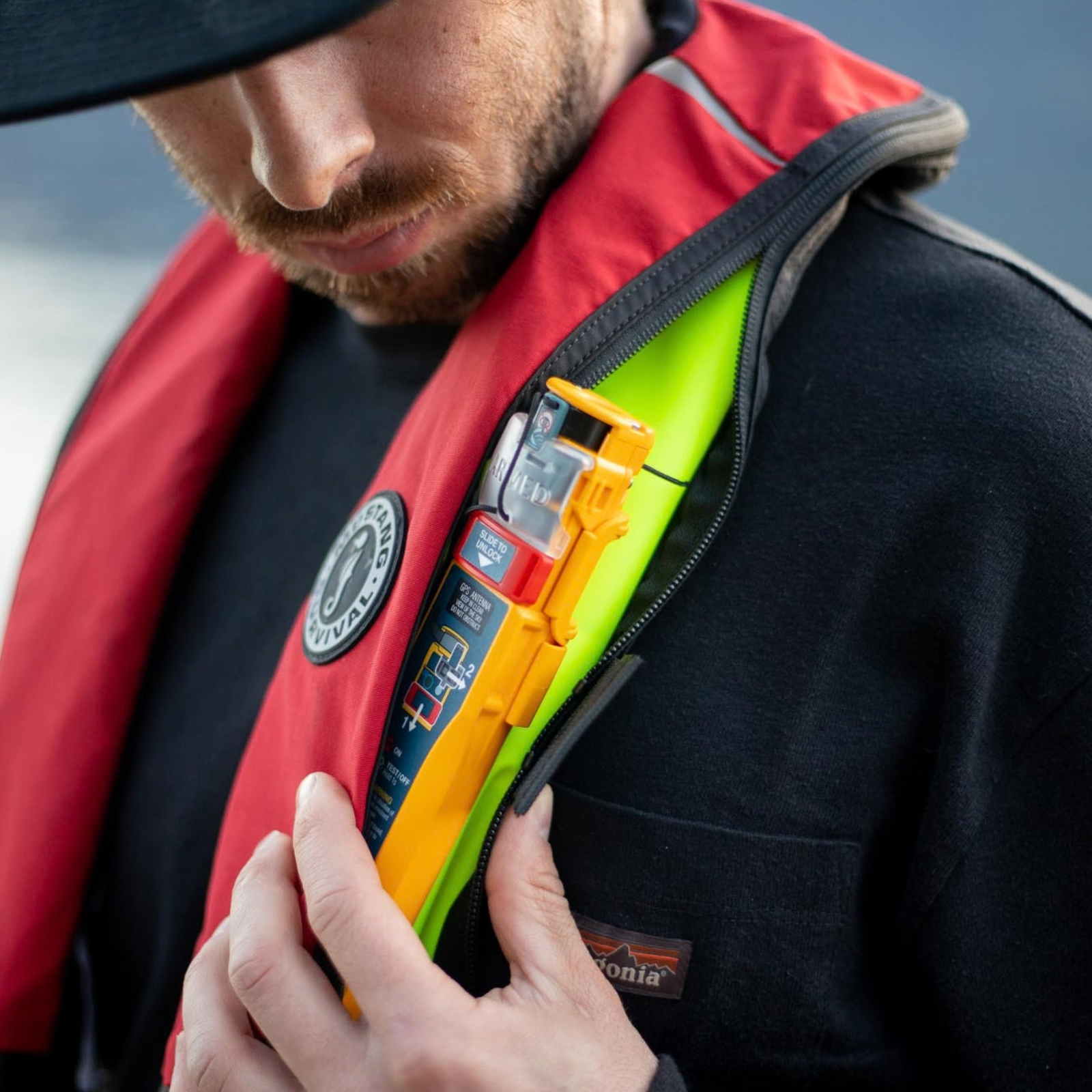
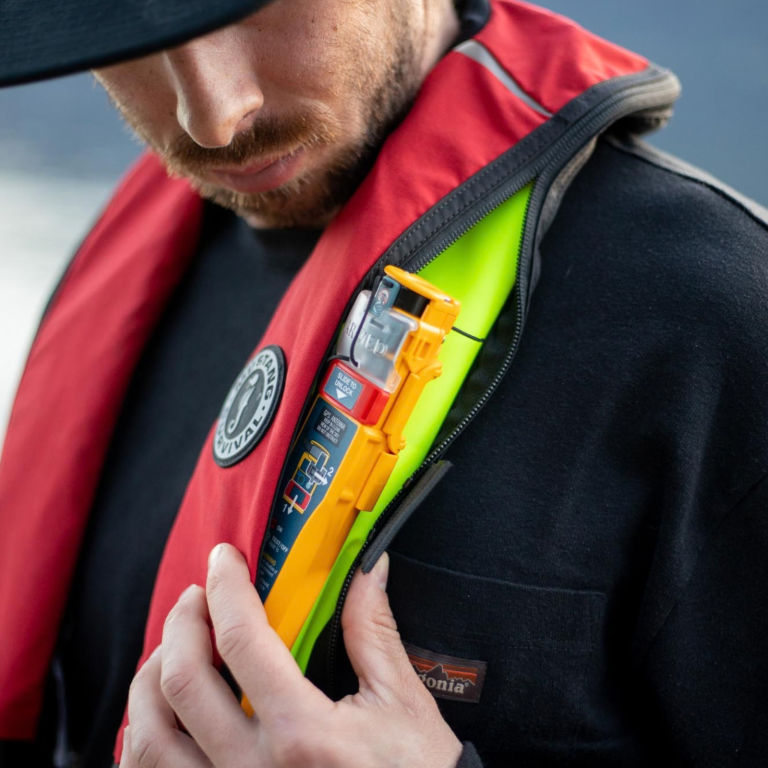
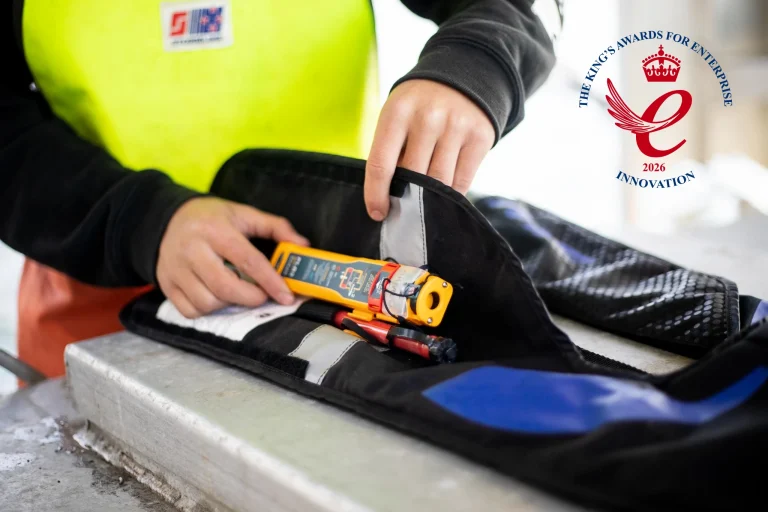
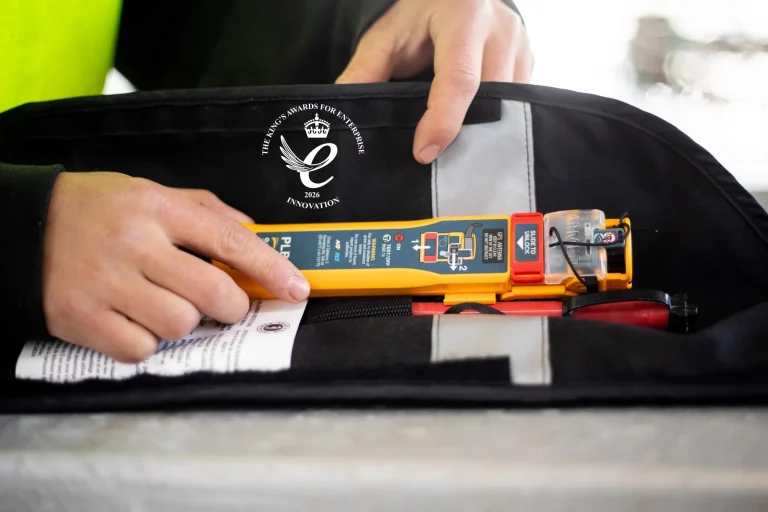
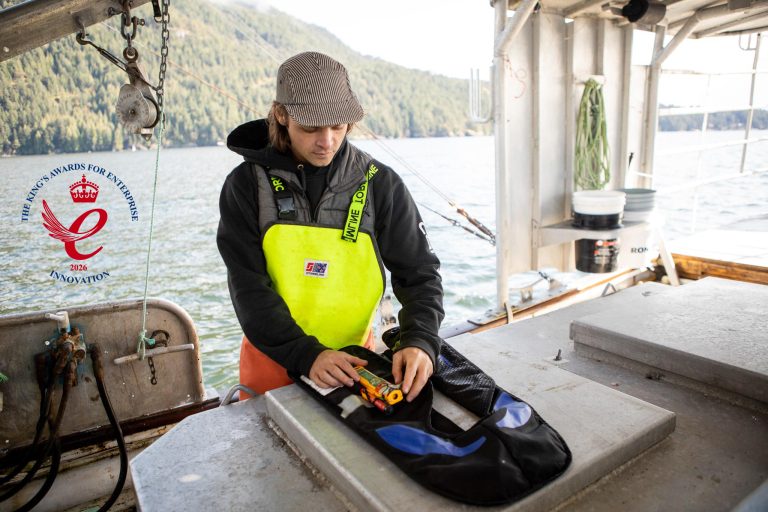
Fit PLB3 inside a compatible inflatable lifejacket. Once correctly fitted, packed and armed, inflation deploys the antenna and activates the beacon. Ocean Signal calls this semi-automatic activation.
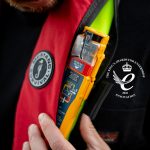
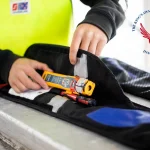
Hands positioning rescueME PLB3 beside a lifejacket oral inflation tube

1. Fit it to your lifejacket

Use the supplied clip to secure PLB3 to the lifejacket’s oral inflation tube. Fit the activation ribbon as directed in the PLB3 manual and your lifejacket manufacturer’s guidance.

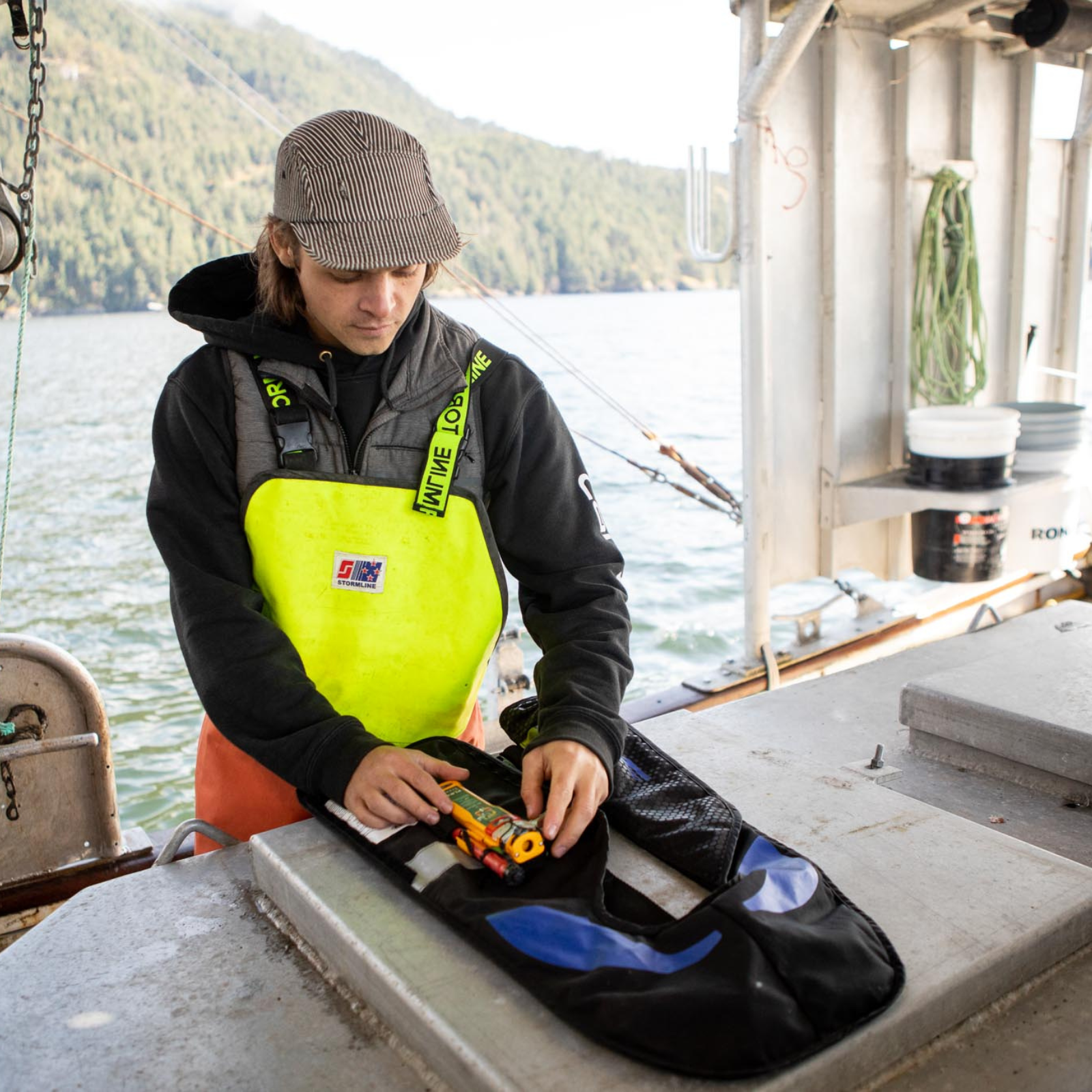
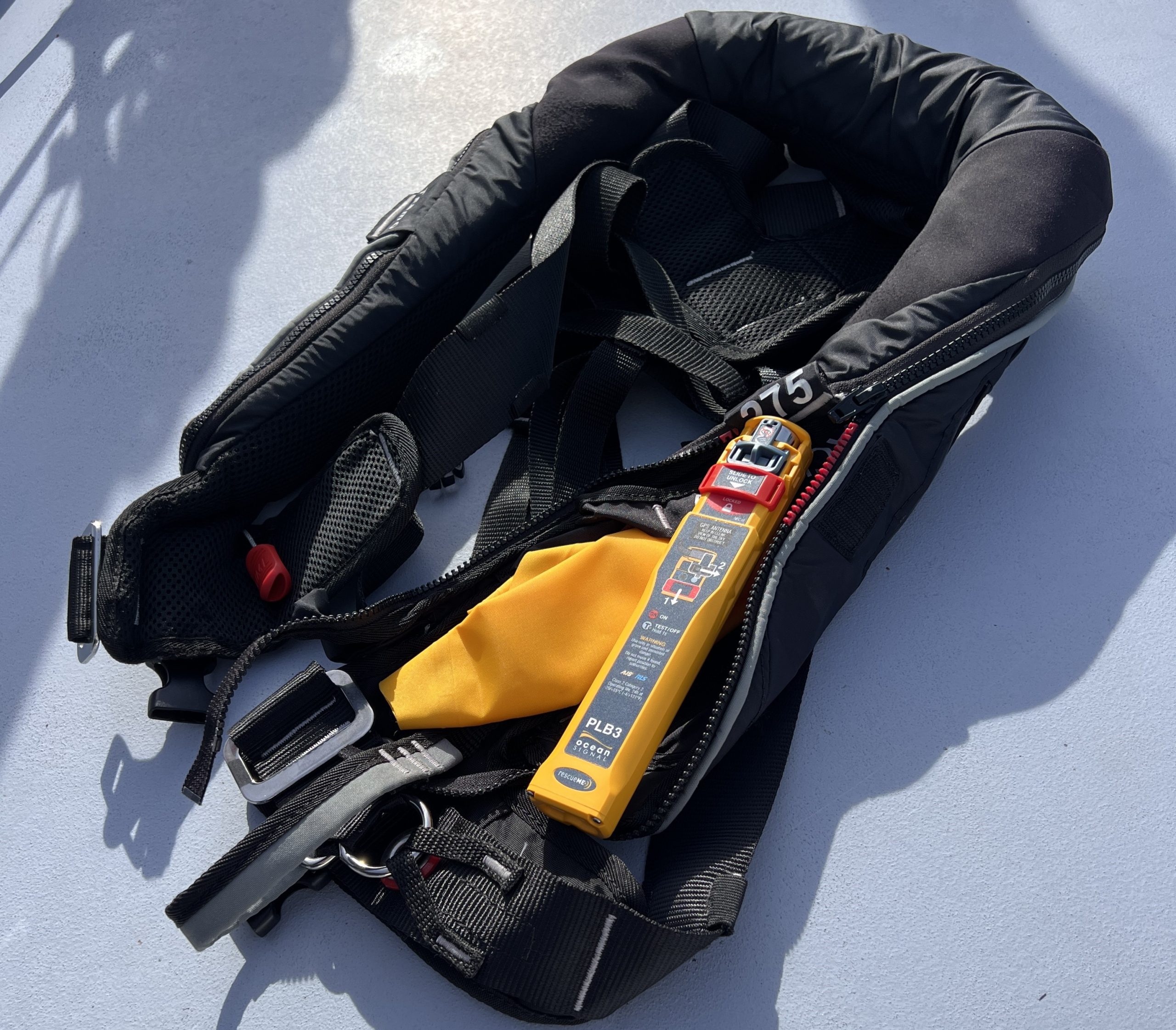
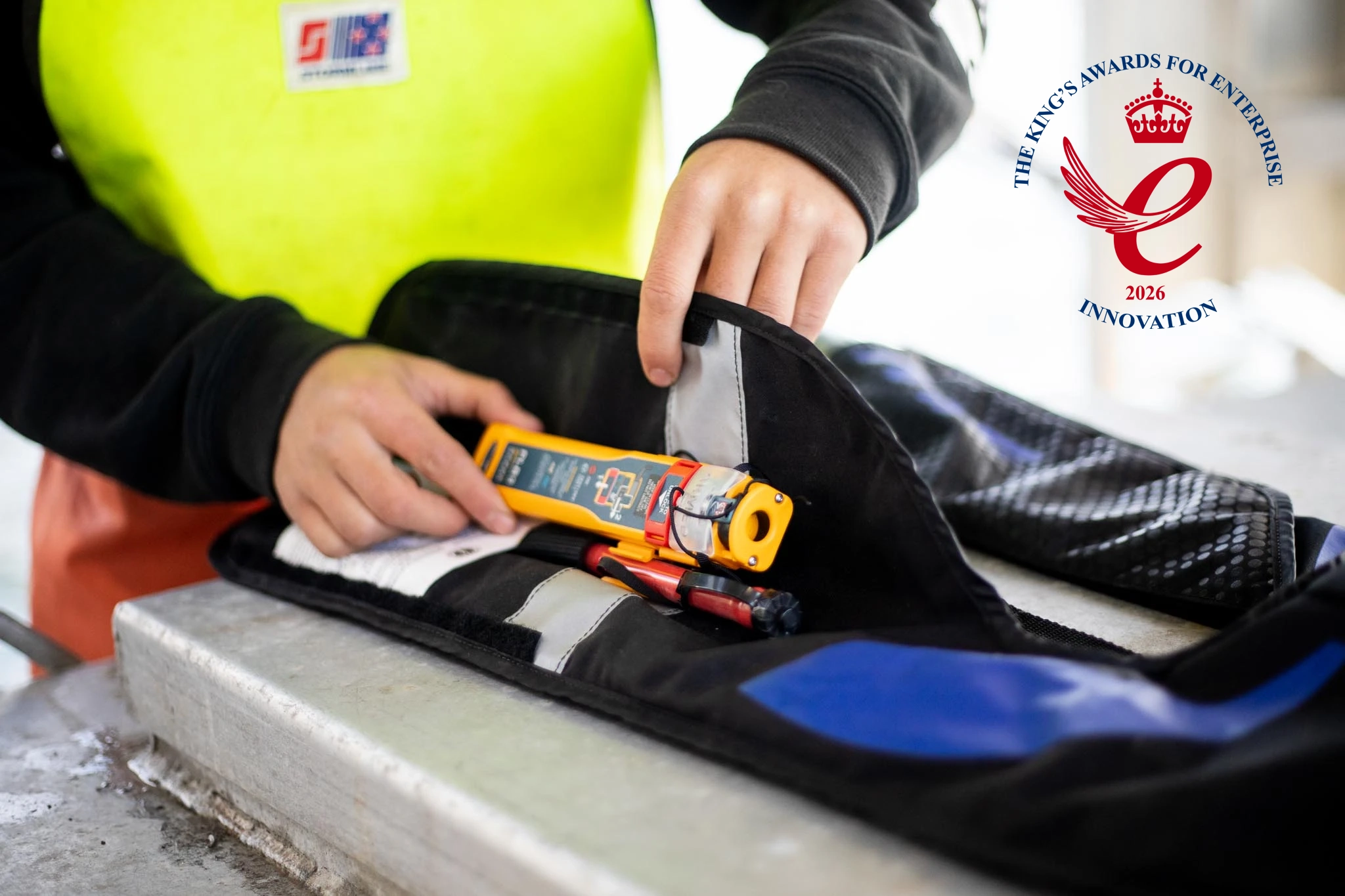
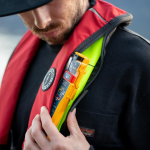
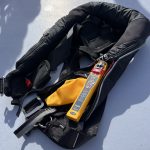
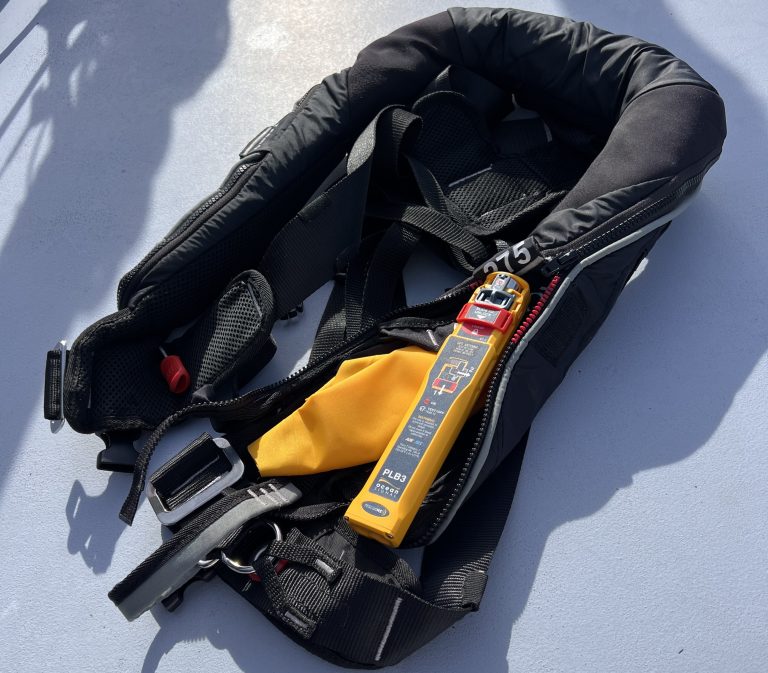
rescueME PLB3 fitted inside an open black and yellow lifejacket

2. Pack and arm it correctly

Follow the PLB3 and lifejacket manufacturer’s instructions for packing and arming before your first trip.

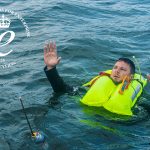
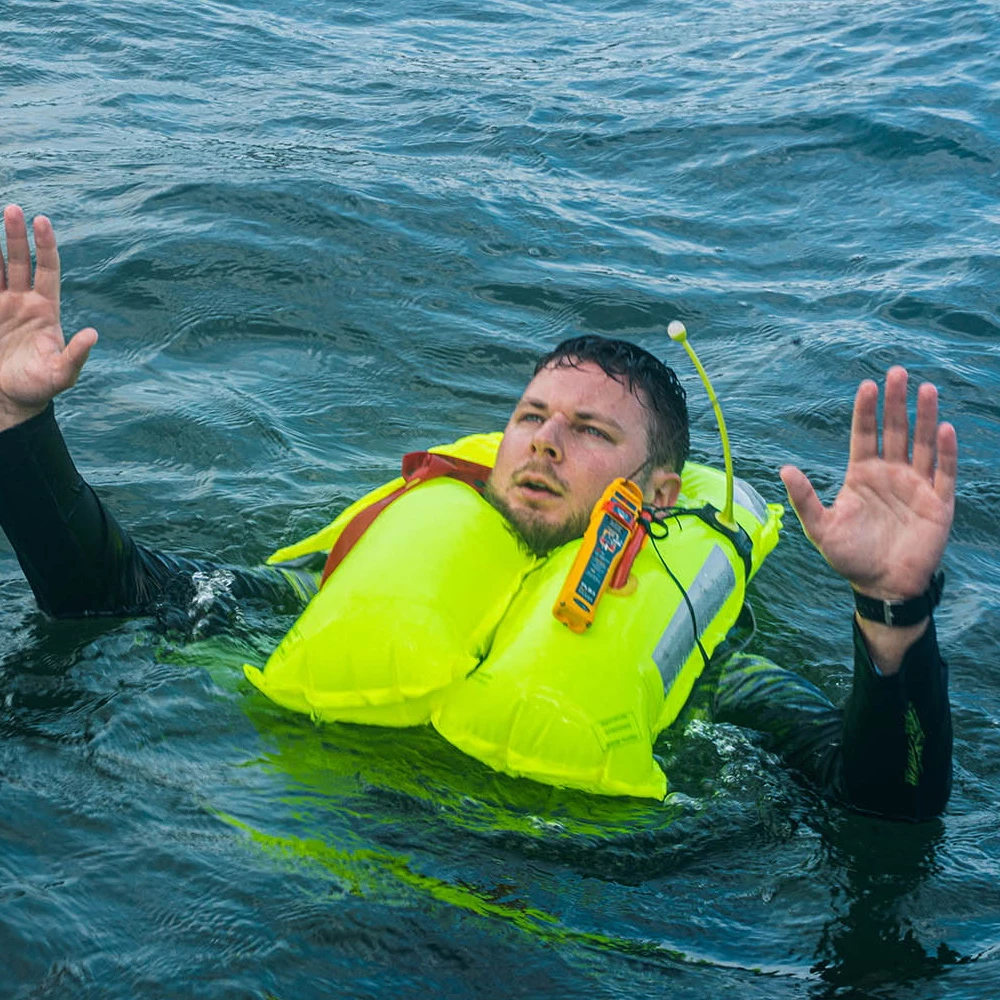
Official demonstration of rescueME PLB3 secured to an inflated lifejacket in the water

3. Wear it, ready for inflation

With PLB3 correctly fitted and armed, lifejacket inflation deploys the antenna and starts the beacon. Manual activation remains available if needed.

Carriage matters. PLB3 needs its flotation pouch to float. Operate it clear of the water, with the antenna upright and a clear view of the sky. It is not designed to operate floating unattended. Check the PLB3 flotation pouch.

Lifejacket compatibility Ā· Watch the installation video Ā· Read the fitting instructions

Take it anywhere. Just like a PLB should.

For manual activation too

A lifejacket is not needed to use PLB3. Secure it within reach using the supplied belt/webbing clip and lanyard. Manually activate it in a life-threatening emergency, on land or on the water.
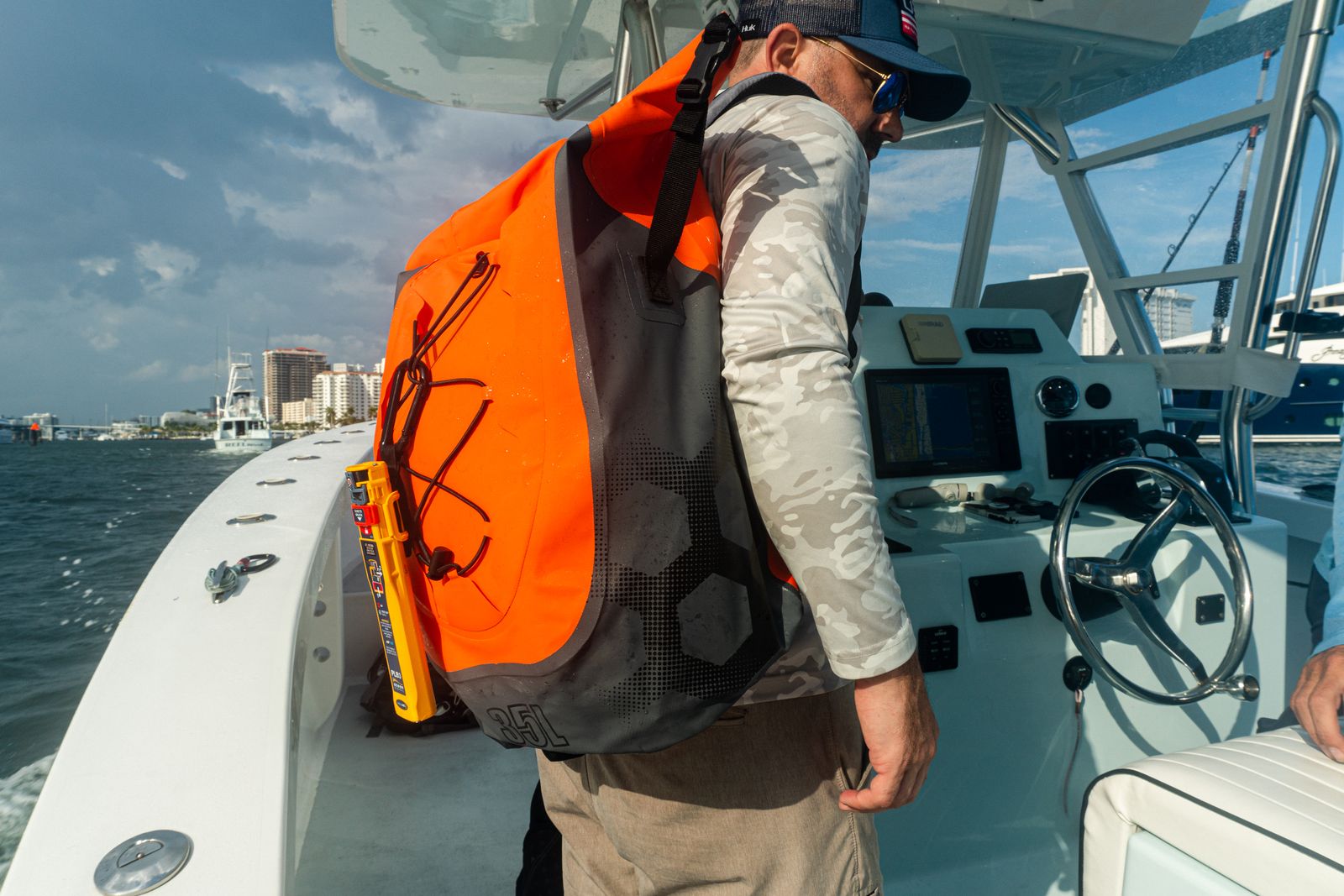
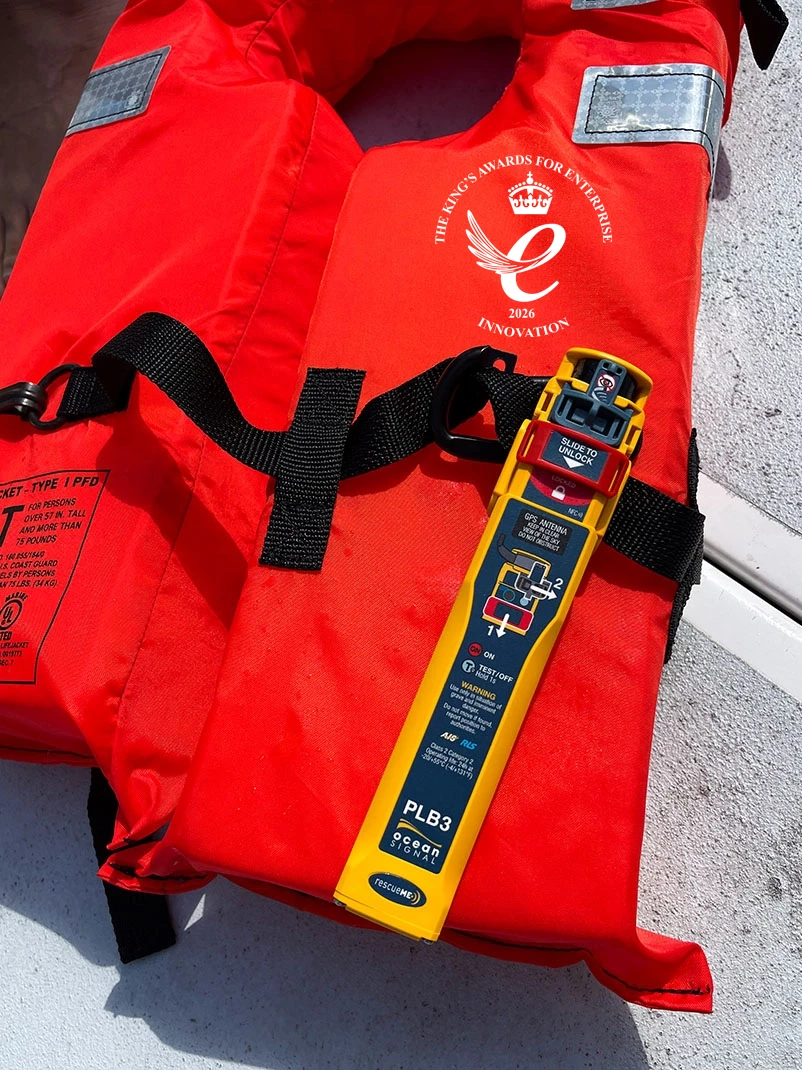
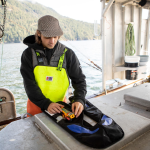
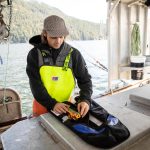
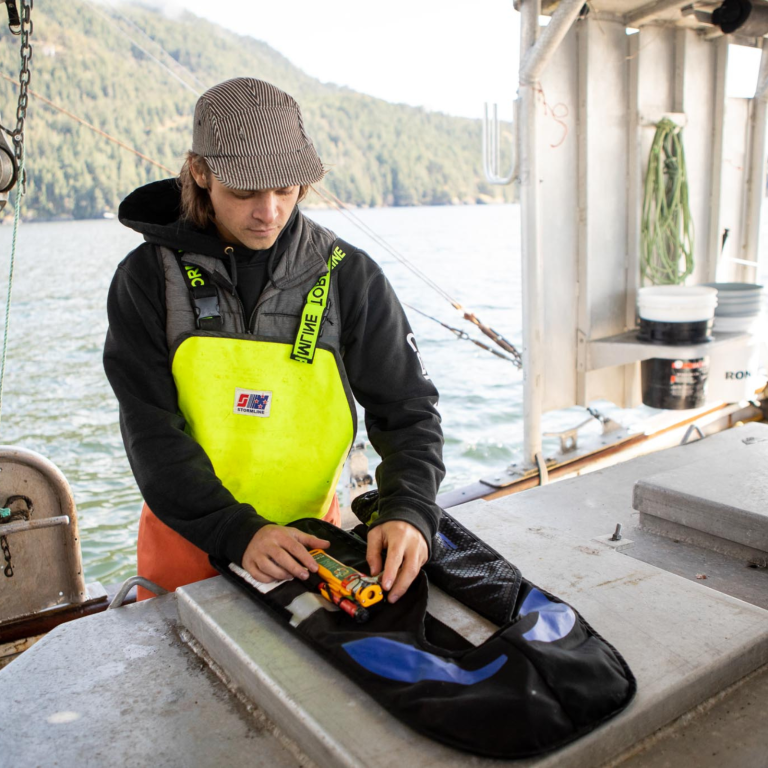
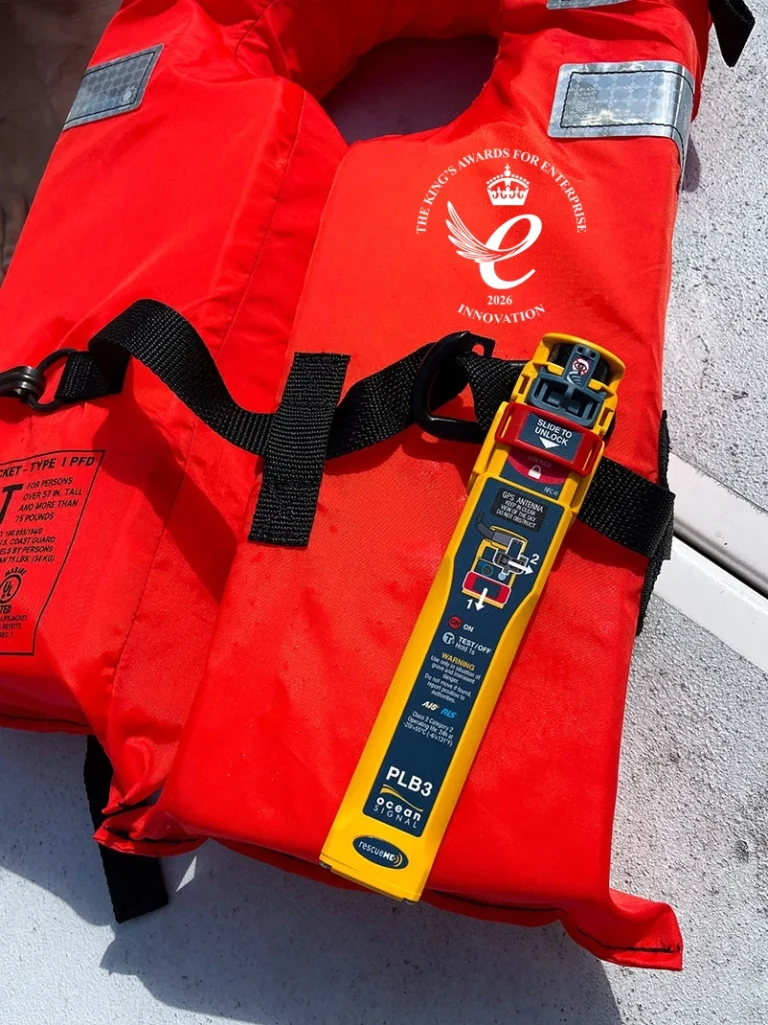
  1. rescueME PLB3 secured to the webbing of an orange bag carried on board a boat

    Carry it within reach

    Use the supplied belt/webbing clip and secure the lanyard. Keep PLB3 accessible and learn the controls before your first trip.

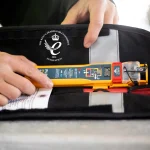
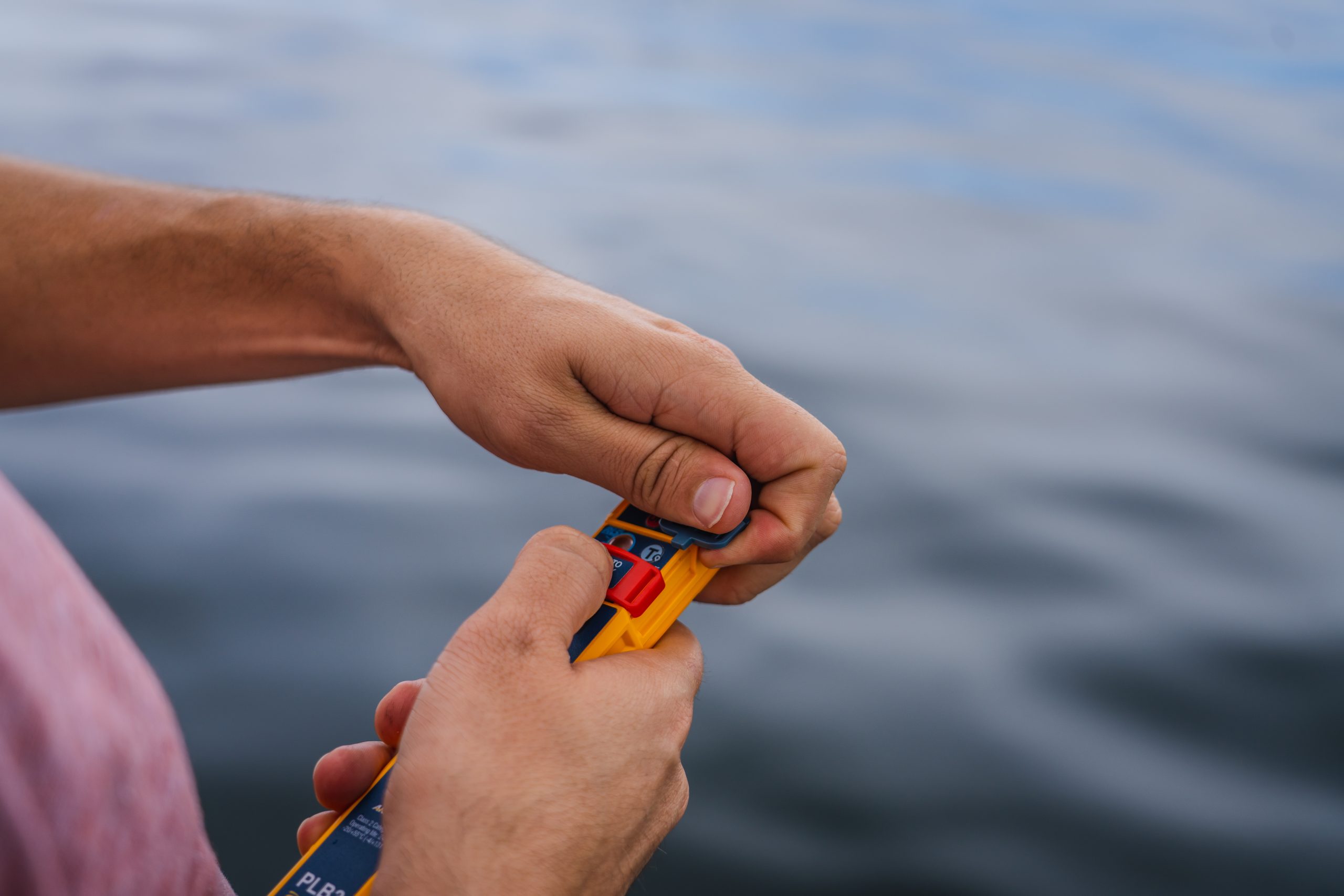
  2. Hands operating the arming and activation slides on an Ocean Signal rescueME PLB3

    Deploy and activate

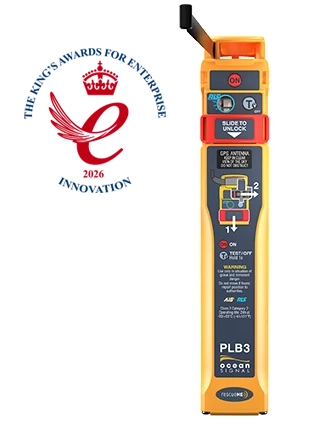
    In a life-threatening emergency, lower the red arming slide. Move the grey activation slide left or right to release the antenna and activate PLB3.

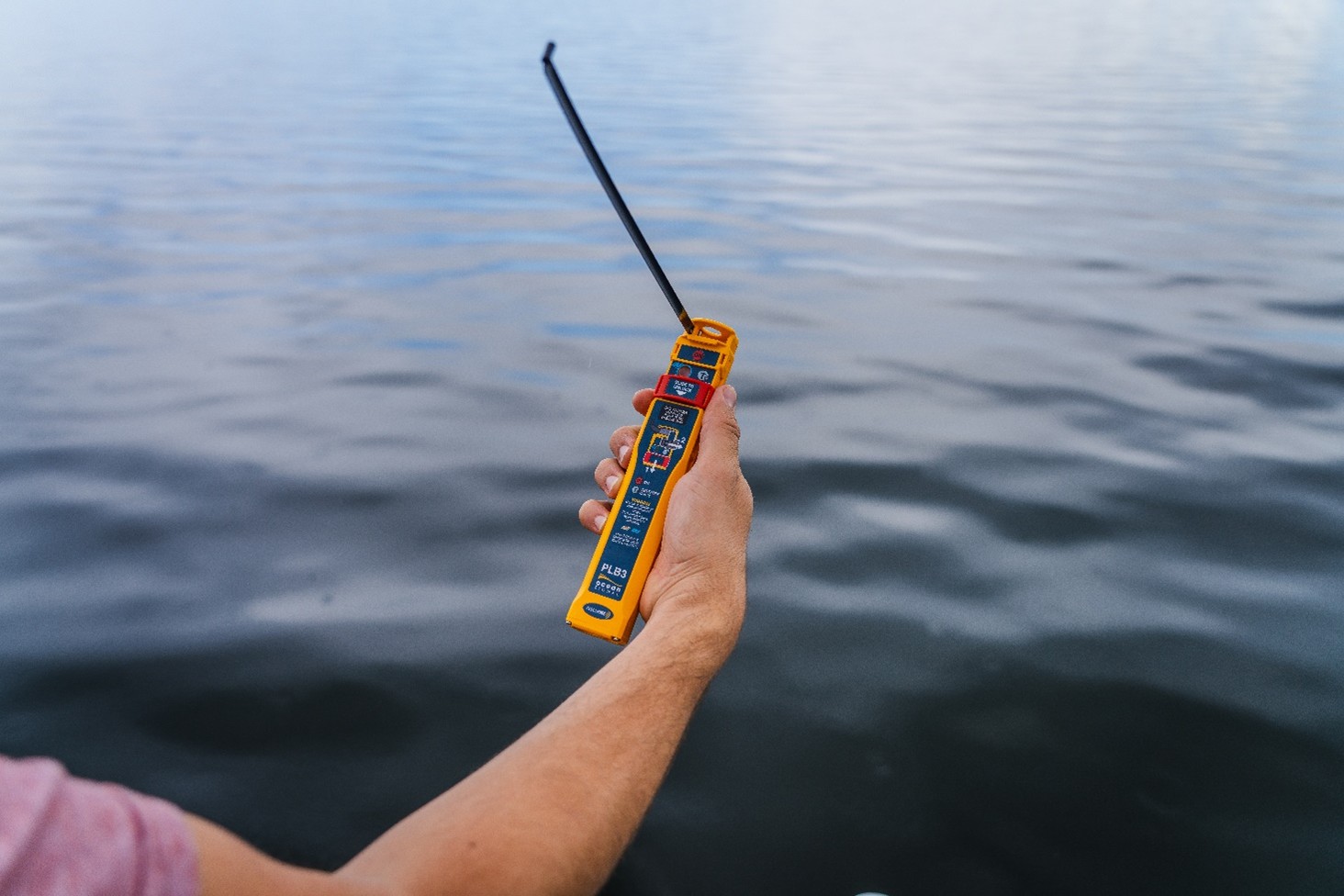
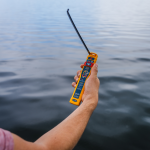
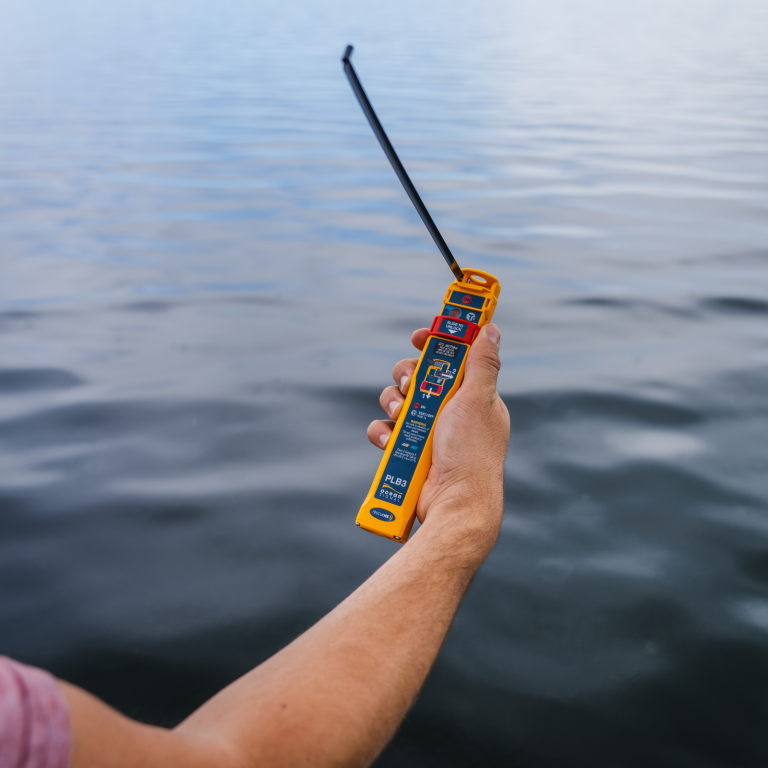
  3. rescueME PLB3 held clear of the water with its antenna deployed upright

    Keep a clear sky view

    Hold the antenna upright and keep the marked GNSS area unobstructed. Operate PLB3 clear of the water, with the clearest possible view of the sky.

The antenna releases quickly: keep it at least 30 cm from your eyes and face. If removing the activation slide does not start PLB3, use the ON key as described in the manual. Read the full operating instructions before use.

See manual activation in action

Watch Ocean Signal’s PLB3 manual activation guide before your first trip.

A little blue light. Meaningful reassurance.

Know your call for help got through.

When PLB3 receives the return confirmation from the satellite rescue system, it flashes blue in the RLS acknowledgement pattern. This confirms that your distress alert was received and your location detected.
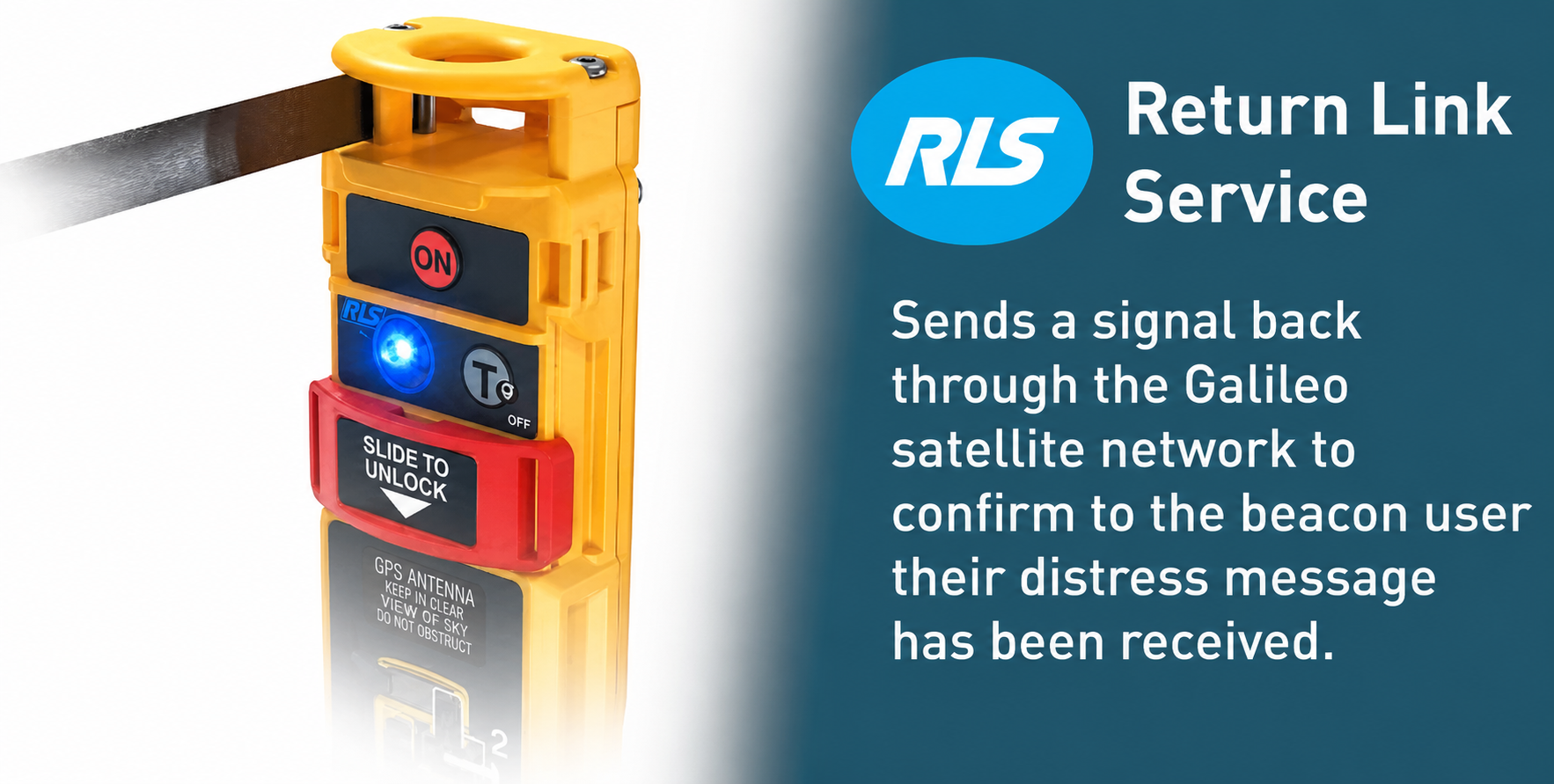
Close-up of the rescueME PLB3 blue Return Link Service light, with an explanation of the confirmation signal returned through Galileo satellites

That is Return Link Service (RLS): a confirmation sent back to your beacon, so you know your emergency signal got through.

RLS does not confirm rescue dispatch or an arrival time. Availability depends on country configuration. PLB3 uses several indicator sequences; read the manual to recognise the RLS acknowledgement.

Read the PLB3 manual: Return Link Service and indicators

Real-world PLB3 rescues

Proven when it matters most.

From solo sailing to catamaran racing. Real people. Real rescue accounts.
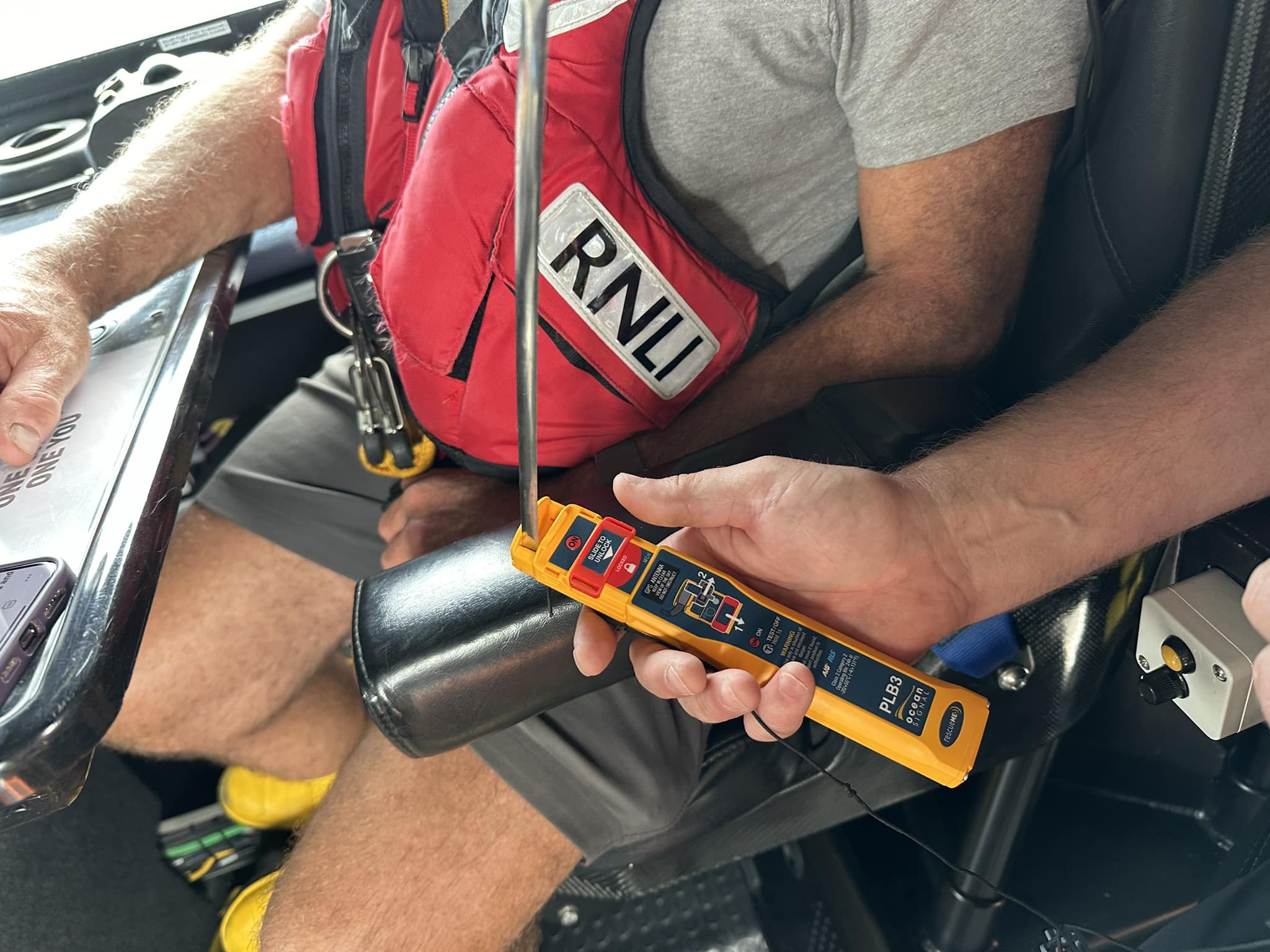
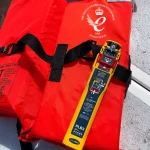
A rescueME PLB3 held beside an RNLI lifejacket in the photograph accompanying Peter Thomas’s survivor story
Photograph from Peter Thomas’s survivor story.

Overboard while sailing alone.

When Peter Thomas went overboard, his lifejacket inflated and his PLB3 antenna deployed. A passing powerboat recovered him, followed by the RNLI and other responding boats.

ā€œThe casualty’s life was almost certainly saved by the combination of his PLB and lifejacketā€

RNLI Exmouth, quoted in Peter’s account. An individual incident, not a guaranteed outcome.
Read Peter’s rescue story →

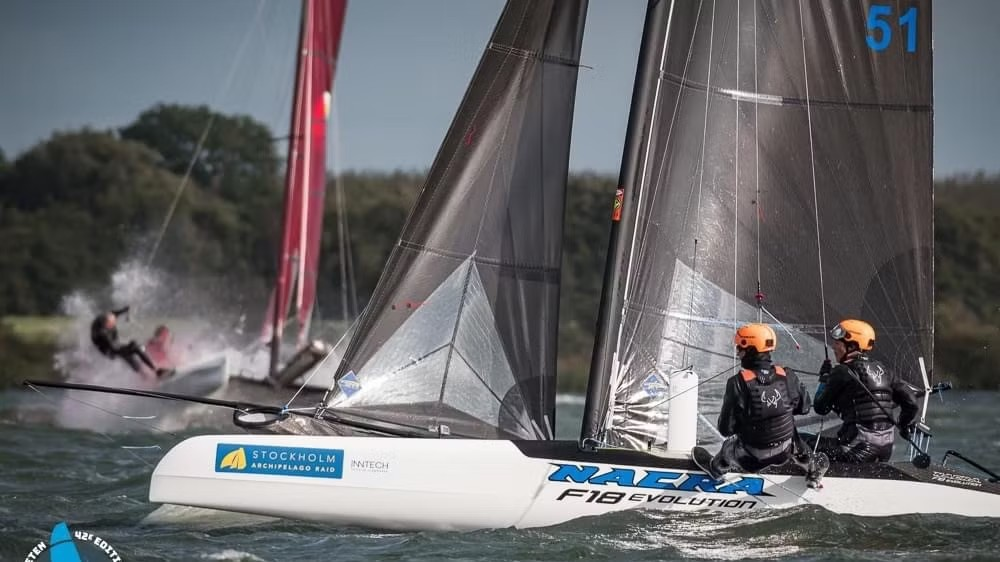
Two helmeted sailors on a Nacra F18 Evolution racing catamaran, pictured in Ocean Signal’s PLB3 rescue account
Catamaran racing photograph published with Ocean Signal’s rescue account.

Catamaran racing

Capsized. Separated. Both carried a PLB3.

After their racing catamaran capsized, Theodore Gijsbers and Maud Van Toorenburg became separated in rough water and were unable to climb back aboard. Each activated their own rescueME PLB3. Ocean Signal reports that a participating catamaran responded after receiving the AIS MOB alert and helped rescue them.

Read the catamaran rescue story →

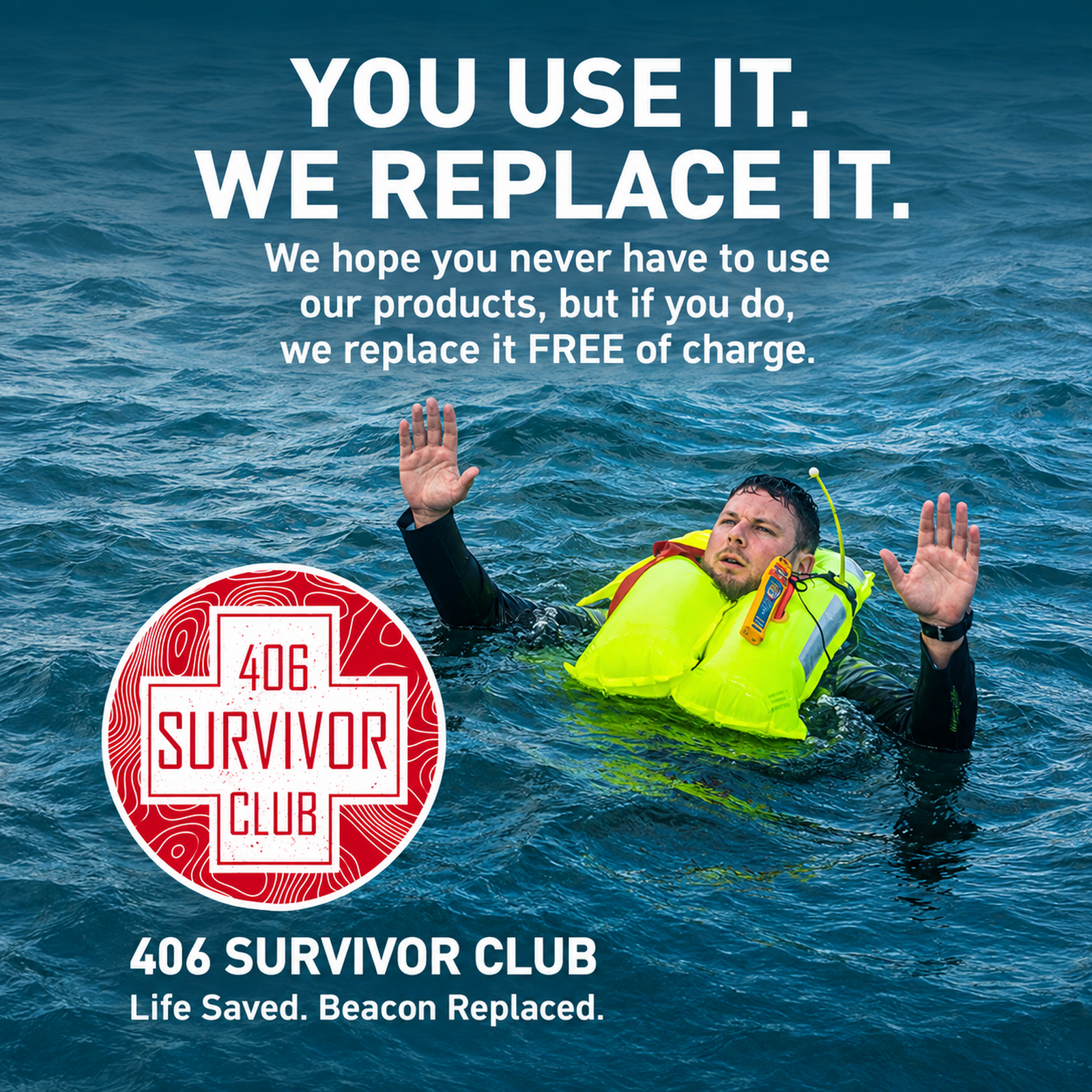
406 Survivor Club logo

Support beyond the rescue

What is the 406 Survivor Club?

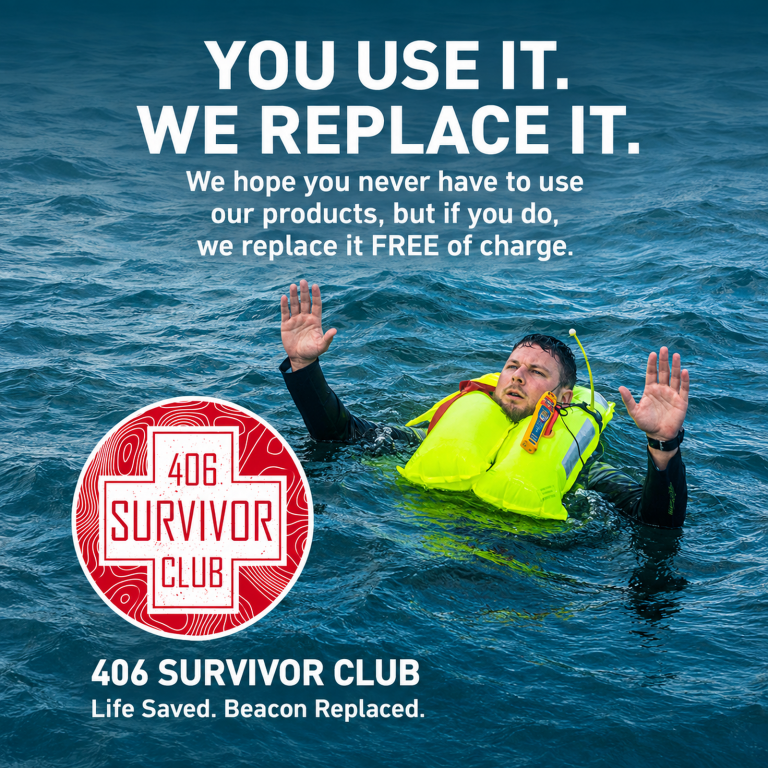
Use it in a lifesaving emergency. Apply for a free replacement.

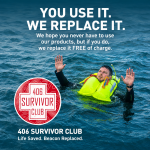
The 406 Survivor Club is Ocean Signal’s beacon replacement programme for PLB and EPIRB owners. If your PLB3 helps in a genuine lifesaving rescue, share your story and apply to have your used beacon replaced free of charge.

Replacement is subject to programme eligibility and verification. Contact Ocean Signal for the submission and beacon-return requirements.

Independent perspectives

What the reviewers say

Independent PLB3 reviews and marine coverage. Read the verdicts, including the fitting considerations and full context.

Practical Boat Owner

5/5 Ā· Recommended

ā€œa huge and welcome step forward in personal safety, especially offshore or at night.ā€

Praises the combined beacon; recommends learning the indicator sequences.

Yachting World

4/5 overall

ā€œhaving one device absolutely makes sense.ā€

Values simpler fleet maintenance; flags bulk and a tight lifejacket fit.

Read all publication reviews & coverage

Reviews, buying guides and announcements are labelled below. Scores belong to the publications. The Yachting World review and Yachting Monthly guide share a byline.

Safety equipment buying guide

Yachting Monthly

Featured safety equipment

ā€œideal for keeping devices to a minimum especially on fully crewed or commercial vesselsā€

Highlights combining both alerting systems in one device. Its buying advice also notes the premium price and potential fit limitations in some lifejackets.

Comparative review Ā· membership required

Attainable Adventure Cruising

John Harries compares PLB3 with MOB1, examining the balance between satellite capability, local alerting, size and ownership. The introduction cautions against choosing on feature count alone.

Equipment feature

Powerboat & RIB

Explores PLB3 alongside the GlobalFix V5 EPIRB, explaining the combination of local AIS and satellite distress signalling and the option of lifejacket installation.

Award reporting

SAIL Magazine

Reports PLB3’s overall win at the 2022 DAME Design Awards, covering the combination of satellite, AIS and locating technologies recognised by the jury.

Product launch news

Marine Industry News

Covers the UK and European launch of the DAME-winning PLB3 and explains its satellite, AIS and lifejacket-integration features.

Distributor product announcement

The Skipper

Introduces CH Marine’s PLB3 offering, with an overview of the beacon’s combined alerting systems, lifejacket use and NFC ownership checks.

Updated buying guide

More from Yachting World

The personal beacon guide includes PLB3 in its combined AIS and PLB selection, with reasons to buy and fitting considerations alongside other beacon types.

Ready for the journey ahead

No subscription fees. Ever.

Dedicated emergency signalling without a monthly airtime plan.
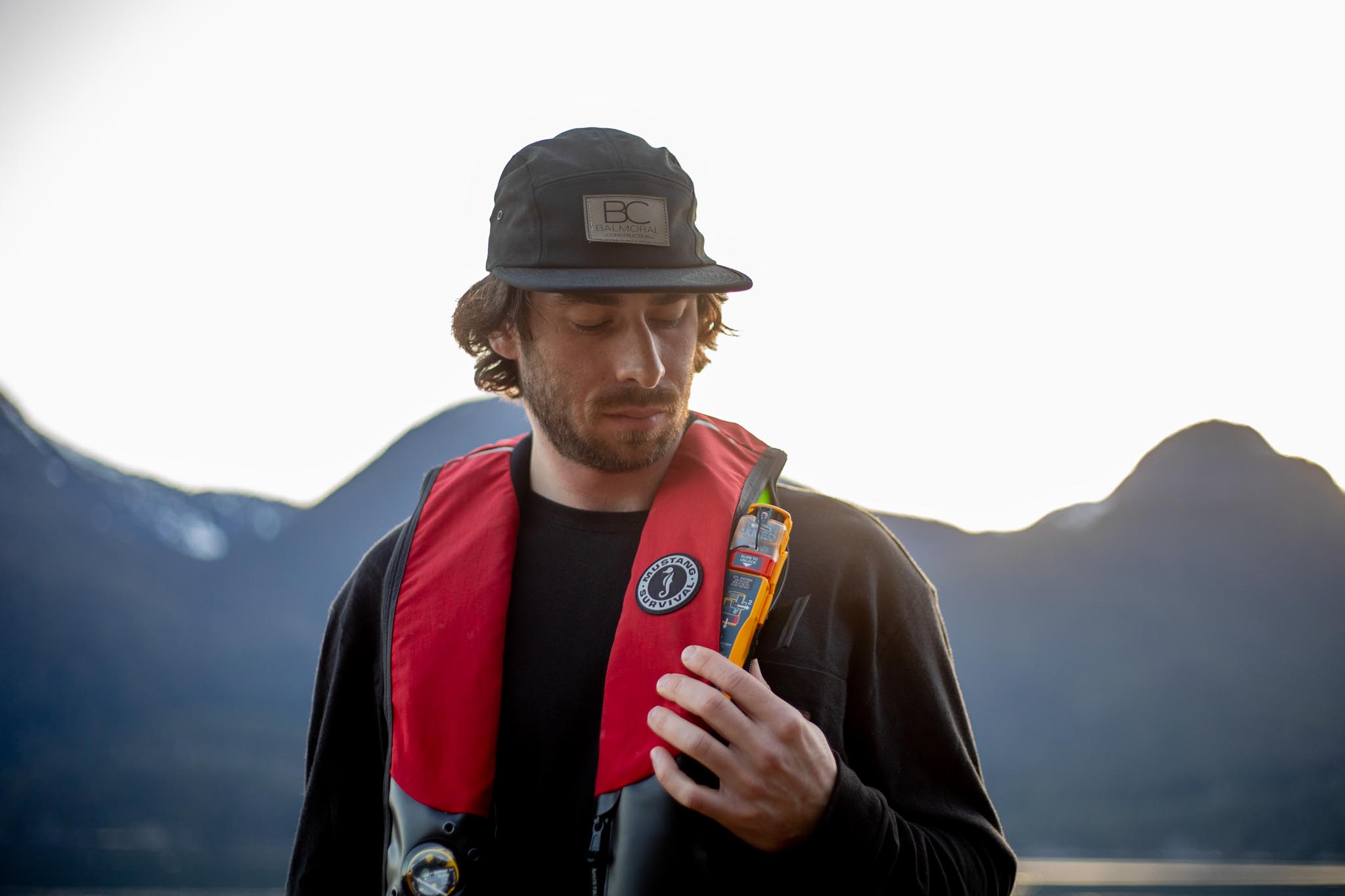
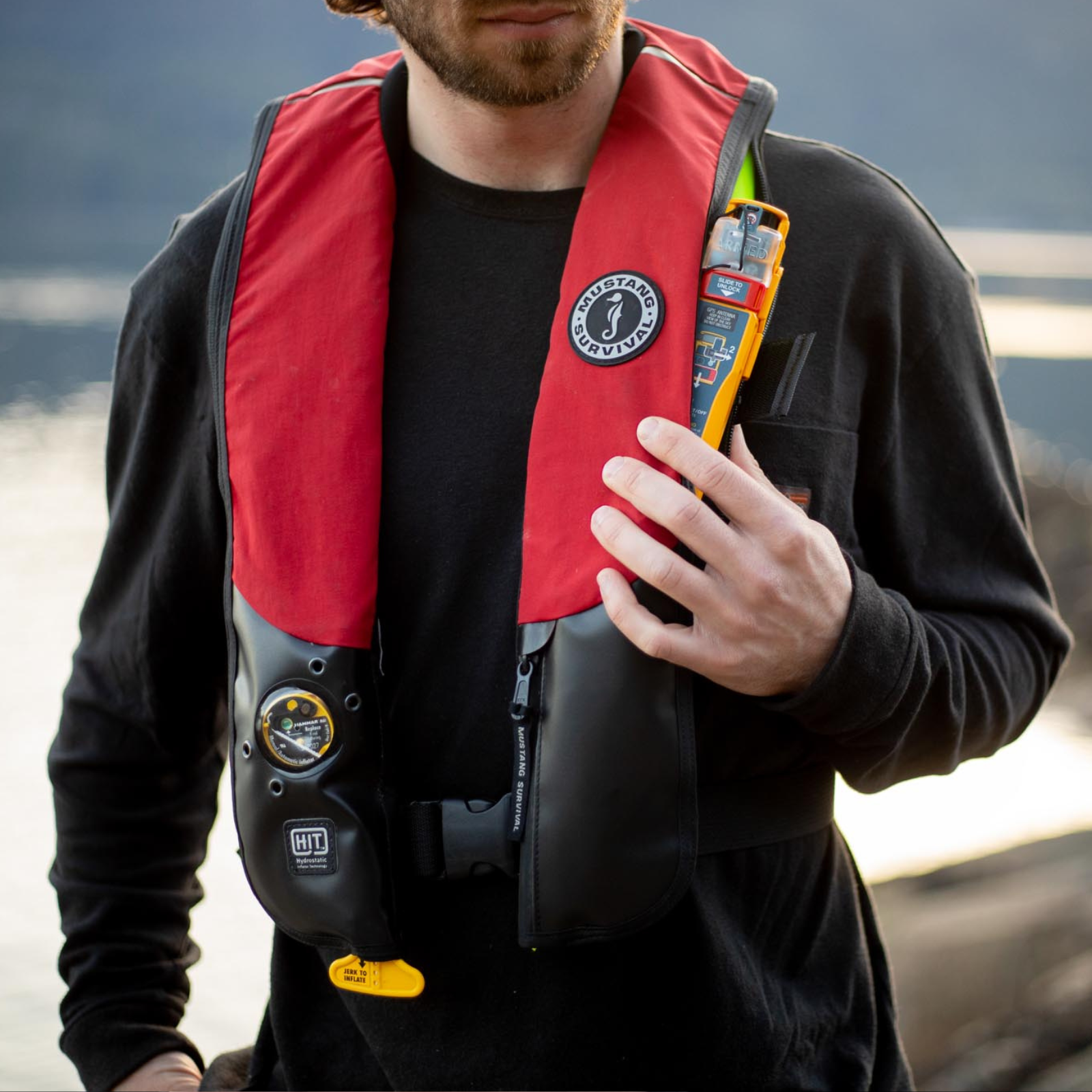
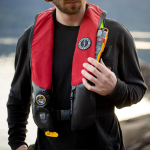
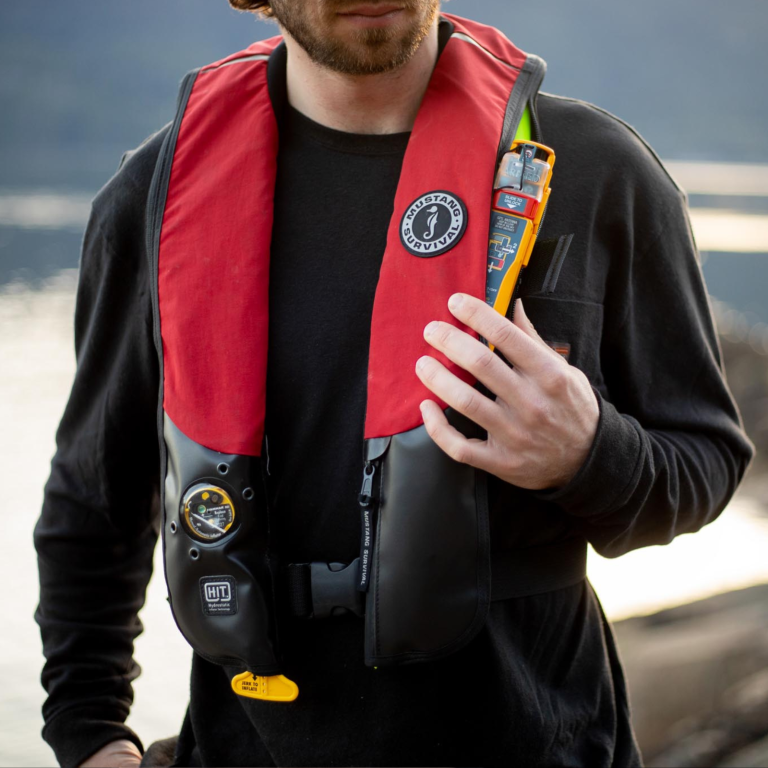
Sailor wearing a red Mustang lifejacket with rescueME PLB3 beside a mountain lake

No airtime plan

406 MHz and AIS distress signalling work independently of your phone and mobile coverage.

24+ hours

Operating duration of over 24 hours at āˆ’20°C, once activated.

Check before you go

Use prescribed self-tests and NFC app access to review battery usage and test history.

Battery replacement and servicing remain part of ownership. Follow the expiry label and the manual’s test schedule.

See the NFC app and ownership checks
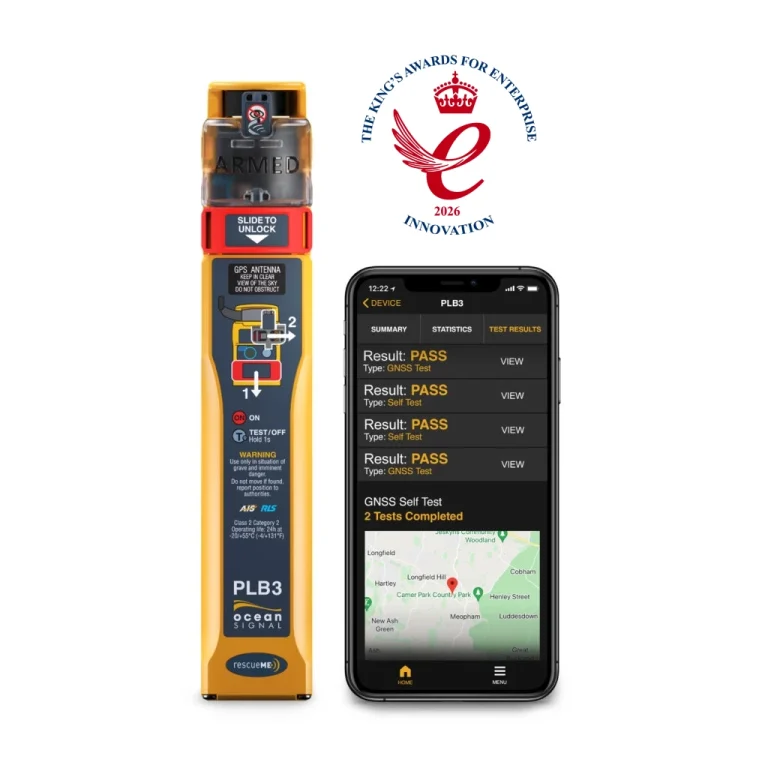
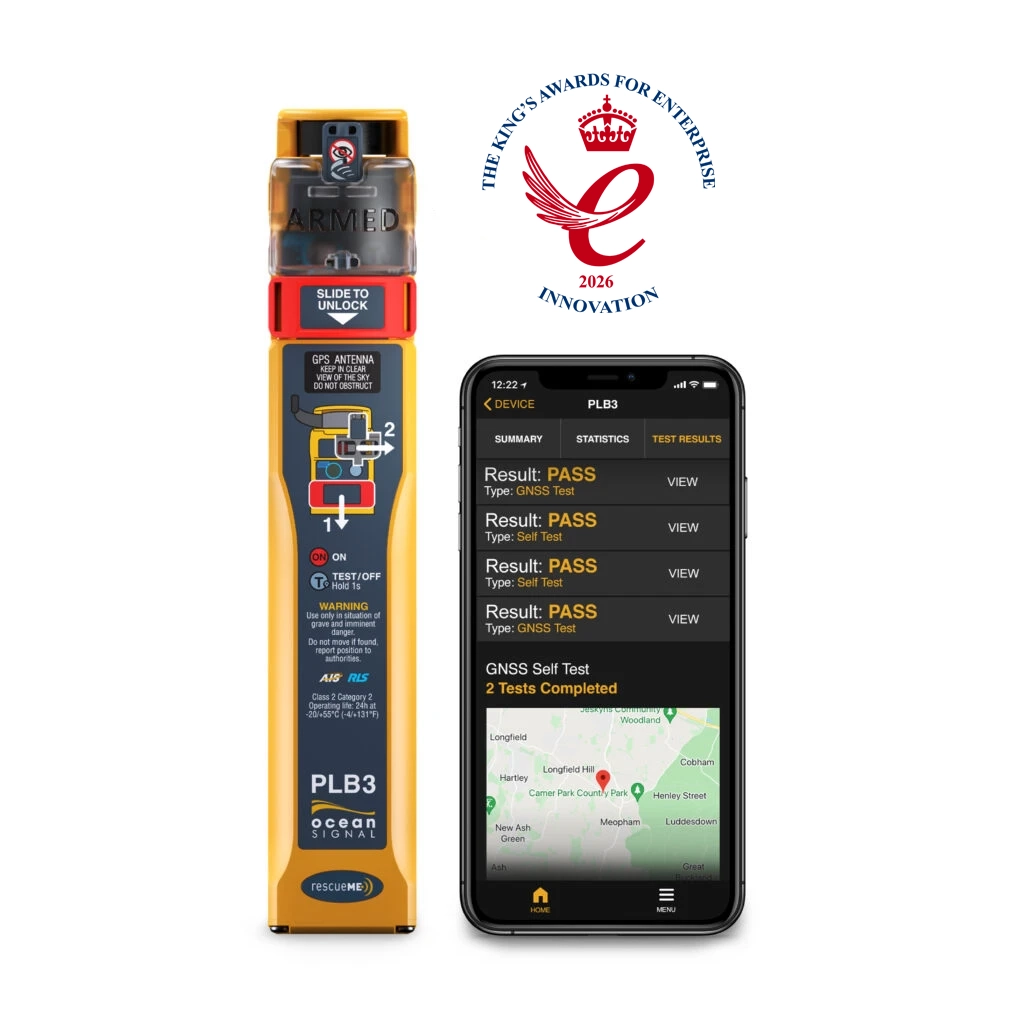
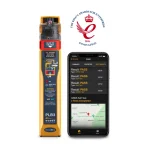
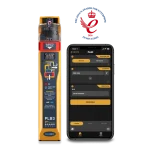
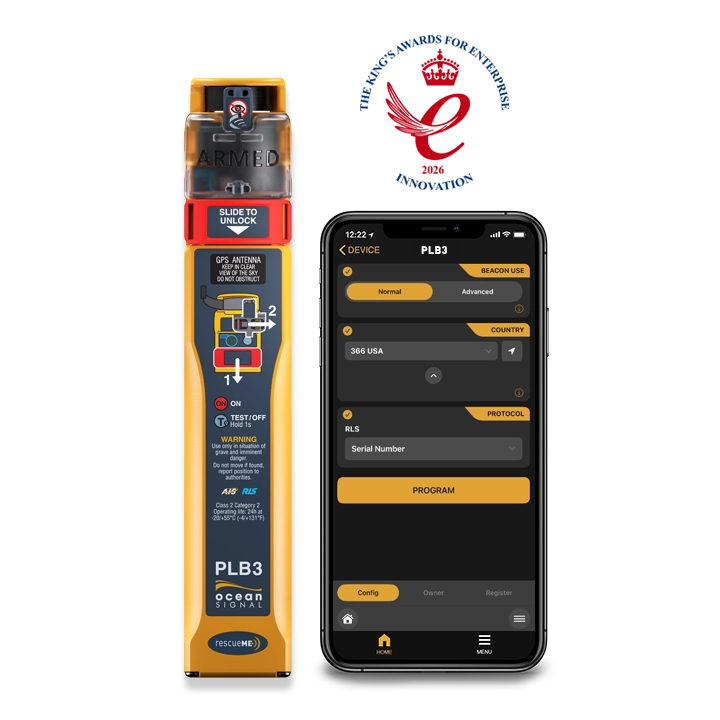
Ocean Signal rescueME PLB3 beside its NFC beacon app

Know your beacon before you need it.

A compatible NFC phone and the free Ocean Signal app let you read battery usage and test results. NFC reads use phone power.

The app is not live tracking, two-way messaging or remote activation. Follow the manual’s test schedule.

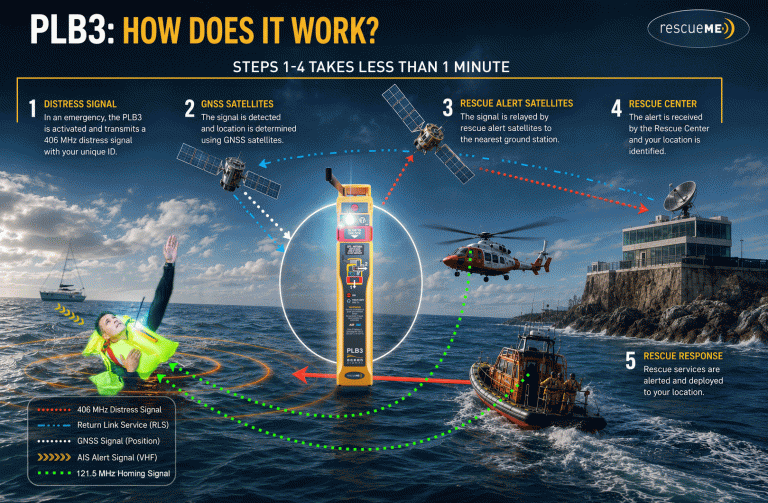
From alert to location

How the rescueME PLB3 helps rescuers find you

Satellite alerting, local AIS and close-range locating signals each play a different role.
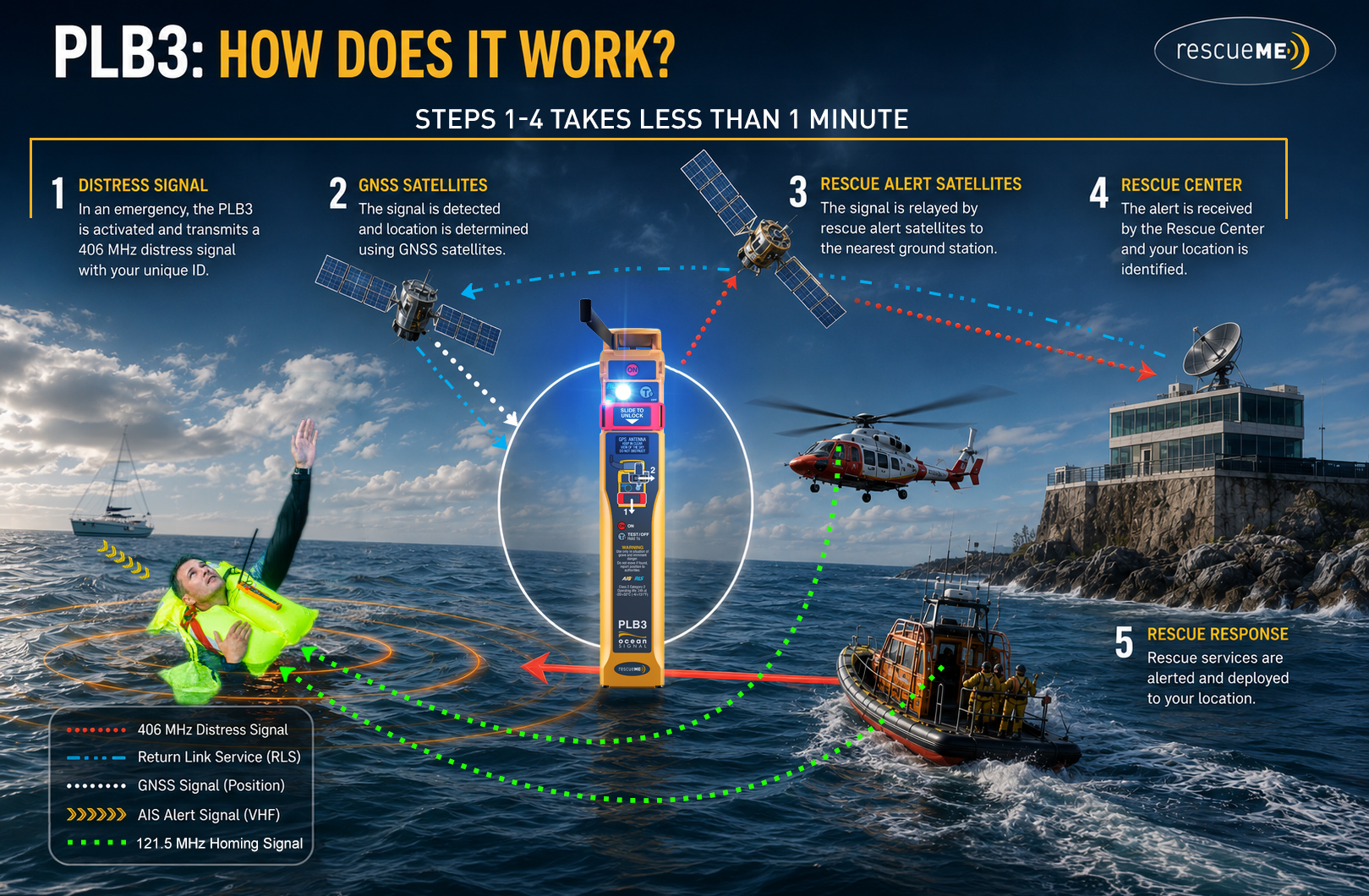
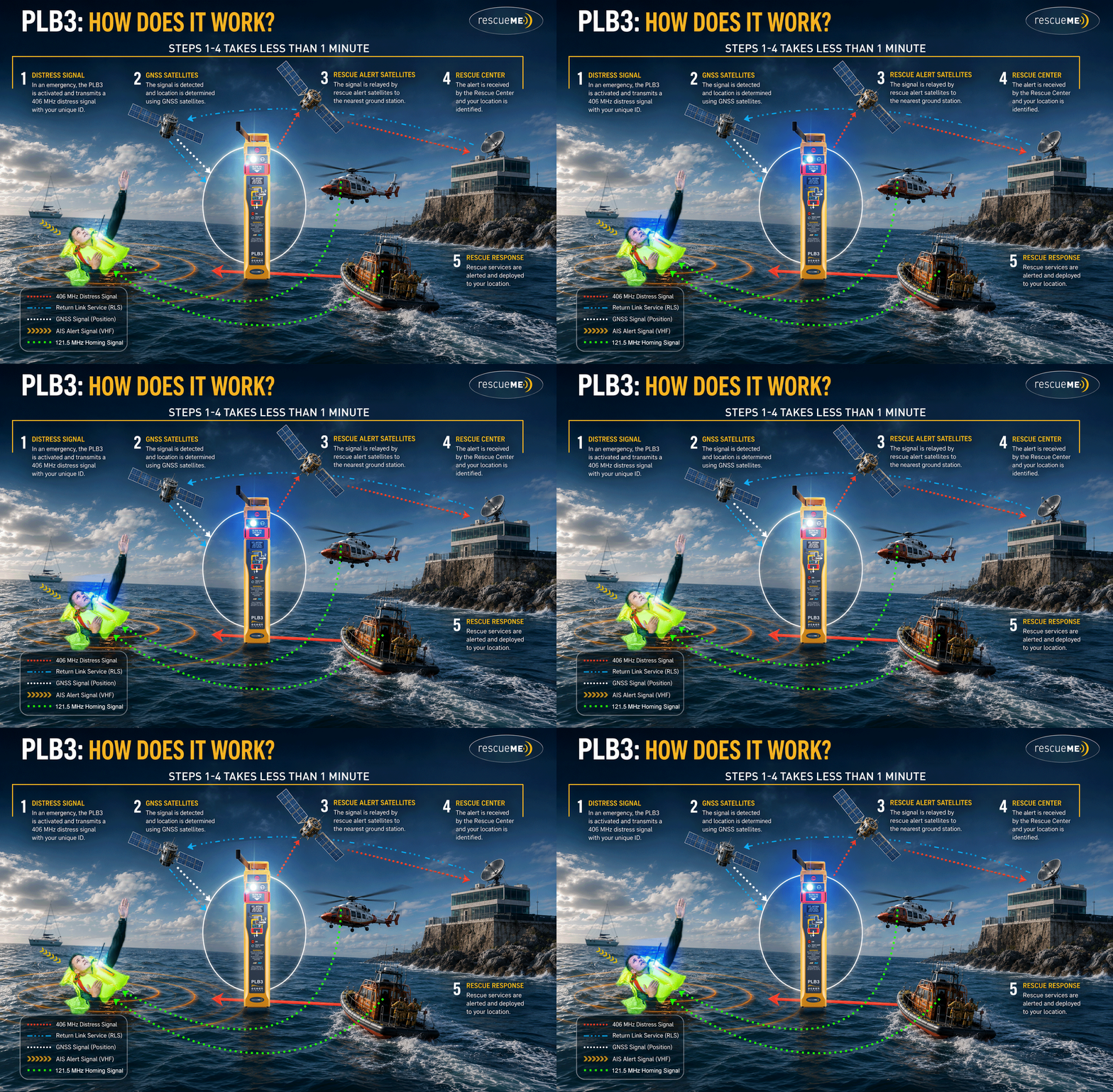
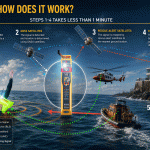
PLB3 maritime rescue illustration showing 406 MHz satellite distress alerting, a return confirmation signal, local AIS and 121.5 MHz homing
Illustrative rescue sequence. Alert delivery and rescue times vary; the timing shown is not guaranteed. The beacon uses GNSS signals to calculate its position; its distress alert travels via Cospas-Sarsat. RLS confirms receipt and location, not rescue dispatch.

01 Ā· LOCATE

Establish your position.

GNSS provides location data for the beacon’s distress transmissions.

02 Ā· ALERT

Reach both networks.

406 MHz alerts search and rescue via Cospas-Sarsat. AIS broadcasts to compatible vessels within radio range.

03 Ā· HOME IN

Help responders locate you.

121.5 MHz homing plus white and infrared strobes help equipped rescuers find the beacon.

Reception, response and rescue timing depend on conditions and equipment. Explore how the satellite rescue system works.

Choose your personal beacon

PLB3, PLB1 or MOB2?

Choose PLB3 for satellite distress alerting plus local AIS, RLS and lifejacket integration. Choose PLB1 when compact satellite alerting is your priority. Choose MOB2 for local crew recovery with AIS and DSC, without 406 MHz satellite alerting.

Scroll the table sideways on smaller screens.

Ocean Signal personal beacon comparison
Decision point rescueME PLB3 rescueME PLB1 rescueME MOB2
406 MHz satellite distress alert Yes Yes No
Local AIS position broadcast Yes No Yes
DSC alerting No No Yes
Return Link Service RLS capable; configuration dependent No No
Activation approach Manual or semi-automatic with compatible lifejacket Manual Automatic with correctly fitted compatible lifejacket; manual activation available
Primary reason to choose Satellite + local AIS in one personal beacon Compact dedicated satellite alerting Local crew recovery with AIS + DSC

Explore PLB1 or MOB2, or read our personal locator beacon guide.

MOB2 availability and DSC operation are country-dependent. Check the local product page and compatibility with your receiving equipment.
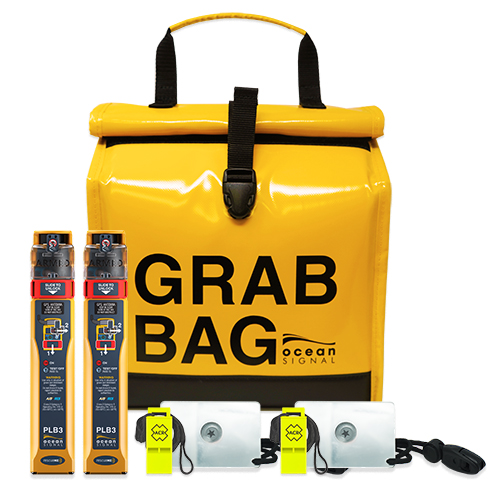
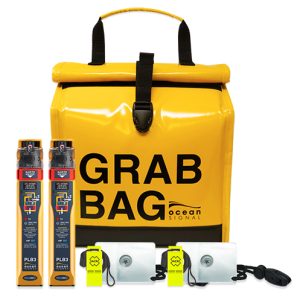
PLB3 Sailing Safety Kit with two beacons, grab bag and signalling accessories

Equipping two people?

A PLB3 for each of you.

The Sailing Safety Kit brings together two PLB3 beacons, an Ocean Signal grab bag and signalling accessories. Keep each beacon secured to its wearer.

Ocean Signal customer feedback

Trusted by Ocean Signal customers

Read customer feedback from Ocean Signal’s review feed.

Ready for the journey ahead

Simple to own. Important to prepare.

Choose the correct country coding, register your beacon and learn the operating procedure before your first trip.

Choose your country coding

Confirm the correct country coding and RLS configuration for your registration route before ordering. Beacon programming and owner registration are separate steps.

Register before you go

Register the beacon’s unique identity with the authority for its country coding. Keep your contact details, emergency contacts and trip information current.

Know it before you need it

Read the PLB3 manual and learn manual activation, fitting and indicator sequences. Use only the prescribed self-tests, secure the lanyard and check the battery replacement date.

Read the PLB3 manual (PDF) Ā· Ask Ocean Signal support

Make an informed choice

Your rescueME PLB3 questions, answered

Choosing your beacon

Does PLB3 replace an EPIRB?

A PLB is carried by a person; an EPIRB serves the vessel. Do not assume a PLB meets an EPIRB carriage requirement. Compare EPIRBs and PLBs.

Can I use PLB3 on land?

PLB3 provides satellite distress alerting for personal use, subject to local rules and country configuration. AIS adds particular value on the water. Compare PLB1 if compact satellite alerting is your priority.

Does PLB3 provide tracking or two-way messaging?

No. PLB3 is a distress beacon. NFC provides access to stored beacon and test data; it is not live tracking, remote activation or two-way messaging.

Is PLB3 a replacement for my phone?

Treat a phone and a PLB as different tools. PLB3 provides dedicated 406 MHz distress signalling, local AIS and 121.5 MHz homing. It does not make calls or send everyday messages.

What is the difference between PLB3 and PLB1?

Both provide 406 MHz satellite distress alerting and 121.5 MHz homing. Choose PLB1 when compact carriage is your priority. Choose PLB3 when you also want local AIS, RLS acknowledgement and compatible lifejacket integration.

How does a PLB compare with a satellite communicator?

PLB3 is a dedicated distress beacon using the Cospas-Sarsat rescue system. A satellite communicator uses a commercial communications service and may support tracking and two-way messages, depending on the device and service. PLB3 does not provide those everyday communication functions.

Buying and getting ready

Does PLB3 need a subscription or mobile signal?

No. PLB3 distress signalling operates independently of a mobile phone, mobile coverage or an airtime subscription. Battery replacement and servicing remain part of ownership.

Registration, testing & battery replacement

Register before your first trip.

Confirm country coding and RLS configuration for your registration route. Register with the appropriate authority and keep emergency contacts current. Ocean Signal warranty registration is separate.

Read the fitting and operating instructions and use only the prescribed self-tests. Arrange authorised battery replacement after emergency use or when required by the expiry label or test result.

Registration guide Ā· PLB3 manual (PDF) Ā· Warranty & returns

What is the 406 Survivor Club?

The 406 Survivor Club is Ocean Signal’s replacement programme for PLB and EPIRB owners. After a genuine lifesaving rescue, share your story and apply for a free replacement beacon, subject to eligibility and verification. Contact Ocean Signal for submission and beacon-return requirements.

Specifications & what’s in the box
Key ownership and performance details
Operating duration Over 24 hours at āˆ’20°C
Battery replacement interval 6 years from manufacture or 5 years after entering service. Follow the expiry label and service instructions.
Size 200 Ɨ 36 Ɨ 22 mm
Weight 190 g
Operating temperature āˆ’20°C to +55°C
Water immersion rating Over 10 m for over 60 minutes
Buoyancy Requires flotation pouch; not a floating operating position
rescueME PLB3 with supplied fitting accessories

Included with PLB3

  • rescueME PLB3 beacon
  • Belt/webbing attachment bracket
  • Oral tube attachment bracket
  • Activation tape and armed-slider cover
  • Antenna rewind tool and attachment lanyard
  • Product documentation and Quick Start Guide

Check your market package for regional additions. View the flotation pouch.

Where do I register my PLB3?

Register the beacon’s unique identity with the official 406 MHz registration authority for its country coding. Use the identity printed on the beacon and keep your emergency contacts current. Ocean Signal product or warranty registration is a separate process.

Using PLB3

Can PLB3 be activated manually without a lifejacket?

Yes. PLB3 can be carried independently and activated manually in a life-threatening emergency. Use the supplied belt/webbing attachment as instructed and keep the beacon secured and accessible. Lifejacket-triggered activation is an additional option that requires correct fitting, packing and arming in a compatible inflatable lifejacket.

Will PLB3 activate with my lifejacket?

It can when correctly installed, packed and armed in a compatible inflatable lifejacket. Check the lifejacket manufacturer’s guidance. Manual activation is also available.

Can my own boat see the alert?

It needs compatible AIS receiving and display equipment and must be within range. Check how your equipment displays MOB targets and sounds alarms.

Does the blue RLS light mean help is on the way?

The blue RLS acknowledgement pattern confirms that the satellite rescue system received your distress alert and detected your location. It does not confirm rescue dispatch or give an arrival time. Read the manual to distinguish this pattern from other indicators. RLS availability depends on country configuration.

Does PLB3 float?

PLB3 requires its flotation pouch to float. Keep the beacon secured to you and operate it clear of the water with the antenna upright and a clear view of the sky. Do not leave it floating unattended.

How long does the PLB3 battery last?

PLB3 provides over 24 hours of specified operation at āˆ’20°C. Its battery replacement interval is six years from manufacture or five years after entering service. Follow the expiry label and manual, and arrange authorised servicing after emergency use. The battery is not user-replaceable.

For adventures beyond mobile coverage.

Satellite distress alerting, local AIS and lifejacket integration, in one personal beacon.
View PLB3 purchase options ↑

Need help choosing or fitting? Talk to Ocean Signal.

The people behind your beacon

Who are rescueME by Ocean Signal?

rescueME is Ocean Signal’s range of personal and marine safety beacons. Behind every beacon is a specialist team based in Margate, Kent, designing and manufacturing technology that helps people call for rescue.

The Ocean Signal team outside the company's UK premises in Margate, Kent
Meet the Ocean Signal team in Margate, United Kingdom.

Our work brings together electronic engineering, product development and testing, with customer service and technical support to help you choose, understand and look after your beacon.

406MHz Satellite Transmitter

Frequency

406.031MHz

Tolerance

±1kHz

Output Power

5W Typical

Modulation

Phase ±1.1radians

Emission Designator

16K0G1D

Encoding

Bi-phase L

Data Rate

400bps

121.5MHz Homing Beacon

Frequency

121.5MHz

Stability

±50ppm

Output Power (PERP)

25 – 100mW

Modulation

Swept Tone AM (3K20A3X)

Modulation Factor

0.85-1.0

Modulation Duty Cycle

>35%

Duty Cycle

98%

AIS Transmitter

Frequency

161.975/162.025MHz ±500Hz

Transmit Power (EIRP)

1 Watt ±3dB

Baud Rate

9600 baud

Synchronisation

UTC

Messages

Message 1 (Position), Message 14 (Status)

Repetition Interval

8 messages/min. /Message 14, 2x every 4 minutes

Visible Light Strobe

Light Type

High Intensity LED

Light Colour

White

Flash Rate

20-30 per minute

Intensity

>1 candela

Infra Red Strobe

Light Type

IR LED

Light Colour

850nm

Flash Rate

20-30 per minute

Intensity

7.5mW/sr

Battery

Type

Lithium/Iron Disulphide (Li/FeS2)

Operating lifetime

>24 hours @ -20°C (-4°F)

Lithium Metal Weight (for air transport)

<2mg

Replacement Interval

6 years from date of manufacture or 5 years after the beacon is placed into service.

GNSS Receiver

Satellite Channels

72 acquisition

Sensitivity

-167dBm

Cold Start Re-acquiaition

-148dBm

GPS Antenna

Microstrip Patch

Environmental

Temperature Range (operational)

Class 2 -20°C (-4°F) to +55°C (+131°F)

Temperature Range (storage)

Class 2 -30°C (-22°F) to +70°C (+158°F)

Damp Heat (humidity)

40°C (104°F) at 93%

Drop (hard durface)

1m : 6 sides

Water Immersion

>10m (1.0bar) : > 60 minutes

Thermal Shock

45°C into 100mm of water : > 1 hour

Standards

Cospas Sarsat

T.001 / T.007

EU RED

EU Radio Equipment Directive 2014/53/EU.

UK RER

UK Radio Equipment Regulation 2017.

FCC

CFR47 part 95K,

ISED

With AIS only under RSS287.

AMSA

AS NZS 4208.2 and AS NZS 4869.4

For the updated Global Limited Warranty policy, please see:Ā https://oceansignal.com/ecomm-policies/


Extended Warranty

ENTER YOUR PRODUCT DETAILS TO GAIN THE EXTENDED WARRANTY PERIOD.

Sign in or create an Ocean Signal account:Ā https://oceansignal.com/login/

Once in your Account area, navigate to your Personal Products page:Ā https://oceansignal.com/my-account/personal-products/

Select ā€˜Activate New Product Warranty’ and entering your beacon’s details – once saved, the warranty policy of the product will then be extended by an additional 3-Years.

The purchase receipt must be provided when submitting a warranty claim.


My NFC is not working

Please follow the following steps:
Remove your phone’s case
Check the positioning on the device
Check the model of the device is compatibile with NFC

My antenna is rusted/broken

Rusted antennas are not covered under warranty, please see our dealer locator for your closest battery replacement center for a repair.

Might also be interested in